National Dish Tajikistan: Dolma (Recipe)
In this article
Discover Dolma, one of the great classics of the Tajik table. Tender vine leaves are wrapped around a fragrant filling of rice, vegetables and warm spices, then gently simmered until soft and glossy. It is a dish made for sharing, served at weddings, festivals and family gatherings, and a byword for hospitality across Central Asia. With a little patience and a few fresh ingredients, you can bring that generosity to your own kitchen.
About Dolma
Tajik cooking is known for its rich flavours and its long-standing traditions, and Dolma is among the most cherished dishes of them all. It consists of stuffed vine leaves filled with a delicious mixture of rice, vegetables and spices. Dolma is often served on special occasions or at celebrations and is a symbol of hospitality in Tajik culture. Making it is a culinary pleasure and an emotional connection to the roots and traditions of the region.
Ingredients (serves 1–2)
- 250 g rice
- 200 g fresh vine leaves
- 1 onion
- 2 tomatoes
- 1 pepper
- 2 cloves of garlic
- 1 tsp cumin
- 1 tsp paprika
- Salt and pepper to taste
- Olive oil
- 1 lemon (for the juice)
Shopping for the ingredients
When shopping for dolma it is important to choose fresh ingredients. Look for good-quality vine leaves that are undamaged and pliable. Fresh vine leaves are often stocked by grocers specialising in international or Middle Eastern produce. If fresh leaves are not available, brined vine leaves from a jar are a perfectly good option and will not spoil the flavour of the dish.
Preparing the dish
Preparation for dolma begins with cleaning the ingredients. Wash the rice thoroughly and leave it to soak for a while. In the meantime, finely chop the onion and the garlic and dice the tomatoes and the pepper. These steps make sure the flavours blend together properly and that the finished dish is as appealing to the eye as it is to the palate.
Step-by-step instructions
- Cook the rice in a pan of water, then drain it well.
- Fry the onion and garlic in a tablespoon of olive oil until golden brown.
- Add the tomatoes and pepper and sweat them briefly.
- Stir the cooked rice, the spices, salt and pepper into the mixture.
- Lay the vine leaves out on a flat surface and place a small amount of filling on each one.
- Roll the leaves up and fold the ends in to seal the filling.
- Layer the stuffed leaves in a pan, drizzle over the lemon juice and pour in water to cover.
- Simmer gently over a low heat for about 30 minutes.
Gluten-free / lactose-free version
Dolma can be made gluten-free and lactose-free without any difficulty. Simply use certified gluten-free rice or another suitable grain such as quinoa. The recipe is naturally lactose-free in any case, since it contains no dairy at all. That makes dolma an excellent choice for anyone with dietary restrictions, much like the lighter dishes served alongside Chaka.
Tips for vegans and vegetarians
For vegans and vegetarians, dolma is an ideal dish, as the main ingredient, the rice, is entirely plant-based. You can vary the recipe by working extra vegetables such as spinach, aubergine or courgette into the filling. Nuts or dried fruit can be added as well to give more texture and flavour. These adjustments keep the dish nourishing and satisfying.
More tips and tricks
A few tips make preparing dolma much easier. Blanch the vine leaves briefly in water before using them so they become more flexible and less prone to tearing. You can also adapt the filling freely, depending on what you happen to have to hand. Experimenting with different spices brings new flavours to the table and keeps the traditional recipe interesting. Finally, it always helps to keep a few spare vine leaves in the fridge in case some tear while you are rolling.
Adapting the recipe to your taste
The wonderful thing about dolma is how adaptable it is. Depending on personal preference or what is in season, you can vary the filling as you like. Instead of the classic rice, for instance, you might use bulgur or even millet. A combination of fresh herbs such as dill or parsley lends the filling extra aroma and makes the dish more delicious still, the same herby lift that works so well in Shakarob.
Ingredient substitutions
If you do not have every ingredient to hand, several alternatives will do the job without compromising the dish. In place of fresh tomatoes you can use tomato purée for a more concentrated flavour. The olive oil can be swapped for sunflower oil if necessary. As for the spices, ground cumin or a pinch of garam masala adds an interesting note that gives the recipe an exciting twist.
Drink pairing ideas
Plenty of drinks suit dolma and support its flavours nicely. A dry white wine or a fruity rosé harmonises beautifully with the dish. For an alcohol-free option, a minted iced tea is refreshing and light, as is a glass of the yoghurt drink Doogh. Alternatively, simply serve water with lemon or lime to bring out the fresh notes of the dolma.
Serving and presentation ideas
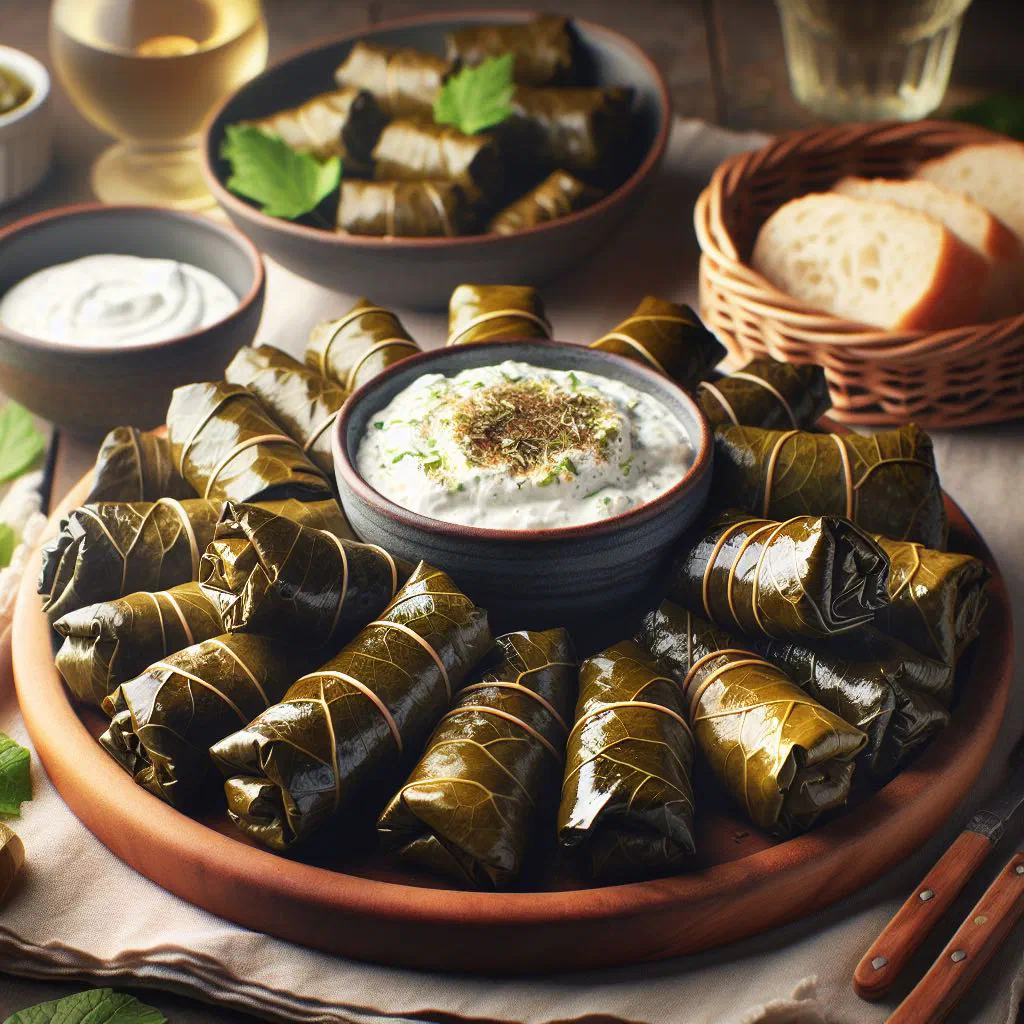
Presentation can lift the dolma experience considerably. Serve the stuffed vine leaves on an attractive platter and garnish them with fresh herbs such as parsley or mint. Extra sauces, a bowl of yoghurt, or a quick relish of tomatoes and garlic, can be offered alongside so guests can intensify the flavours to their liking. Small dishes for the sauces round out the spread and make the whole thing look all the more appetising, especially with warm Obi Non on the side.
A bit of history
Dolma has a long and fascinating history reaching back to antiquity. Originally from the area of present-day Turkey, the recipe spread over the centuries through many cultures and kitchens. In Tajikistan, dolma is not merely a dish but a symbol of togetherness and family tradition. Many Tajik families keep their own secret versions, passed down from one generation to the next, which makes dolma a living part of the culinary history of Central Asia and of Tajik cuisine in particular.
More recipe ideas
Summary: Dolma
Dolma is an outstanding example of Tajik cooking, a dish valued for its taste and as a piece of cultural heritage. With its many variations and its reliance on fresh ingredients, it works just as well for special occasions as for everyday meals. Preparation is straightforward and genuinely enjoyable, with every step forming a meaningful connection to the traditions of the region. Let dolma win you over and enjoy a piece of Tajik history on your plate.