National Dish Tajikistan: Gandum (Recipe)
In this article
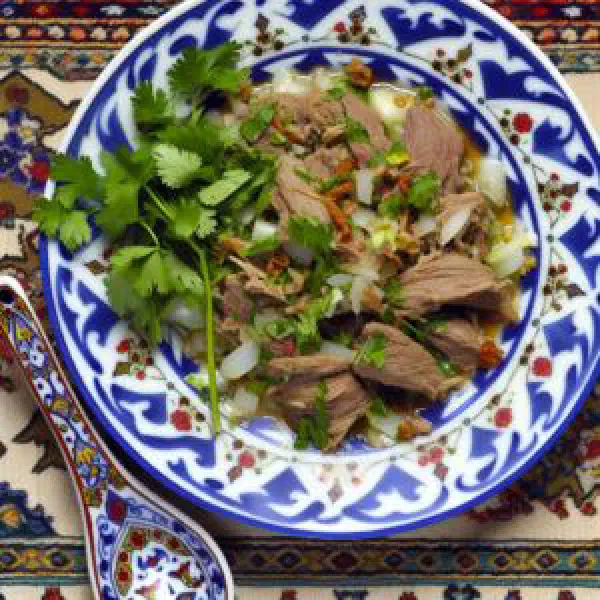
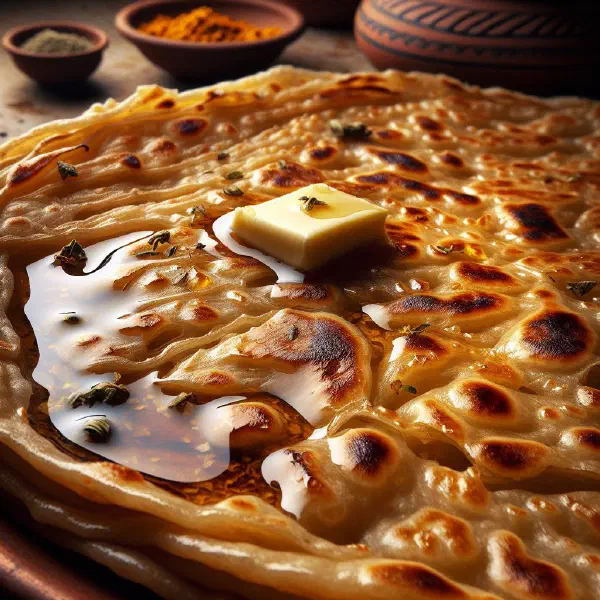
Meet Gandum, a quietly brilliant wheat dish from the mountains of Tajikistan. Made from little more than fine flour, water and a pinch of salt, it rewards patience with a tender, pliable texture and a warm, toasted aroma lifted by cumin and coriander. In Tajik homes it is far more than everyday food: it is what appears on the table when guests arrive, when a family gathers, when there is something worth celebrating.
About Gandum
Gandum is a traditional dish from Tajikistan, rooted deeply in the history and culture of the region. Made from fine wheat flour, it wins people over with its delicate texture and its rich flavour, underlined by a range of aromatic spices. In Tajikistan, gandum is more than simply a meal; it stands for hospitality and community. It is often served at festive occasions and family gatherings, which only underlines how much it matters within Tajik culture.
Ingredients (serves 1–2)
- 200 g fine wheat flour
- 100 ml water
- 1 teaspoon salt
- 1 tablespoon vegetable oil
- A selection of spices (cumin and coriander, for example)
Shopping for the ingredients
The ingredients for gandum are usually easy to find in an ordinary supermarket or in an Asian grocery. It is worth choosing good-quality wheat flour, as this determines the texture and flavour of the finished dish more than anything else. If you are working with spices, make sure they are fresh. They carry the entire aroma. Local markets are also well worth a visit for authentic, freshly milled ingredients.
Preparing the dish
Getting ready to make gandum is refreshingly straightforward and takes only a few basic steps. First, lay out all your ingredients and check that you have the necessary tools to hand: a bowl, a spoon and a clear work surface. Measuring everything out in advance makes the cooking itself far smoother. Take your time over the preparation so that the different stages can run alongside one another without any rush.
Step-by-step instructions
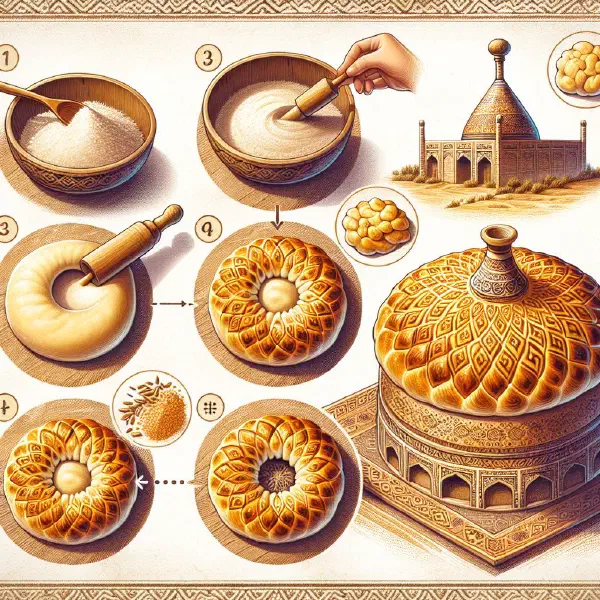
- Tip the wheat flour into a large bowl and add the salt.
- Add the water slowly, working the mixture together with a fork or with your hands.
- Once the dough has come together into a smooth ball, cover it and leave it to rest for around 30 minutes.
- Divide the rested dough into small portions and roll each one out.
- Fry or steam over a medium heat until cooked to the degree you prefer.
Gluten-free / lactose-free version
To make gandum gluten-free, use an alternative flour such as rice flour or almond flour. These behave differently from wheat, so you may need to adjust the amount of water to get the dough right. Using vegetable oil rather than any dairy also keeps the dish comfortably lactose-free. Texture and flavour will shift a little, but the result remains every bit as good to eat.
Tips for vegans and vegetarians
Traditionally prepared gandum contains no animal products at all, which makes it naturally vegetarian. Vegans can enjoy the recipe exactly as it is, simply checking that the oils and spice blends used are plant-based. Try experimenting with vegetable fillings or plant-based side dishes to add extra nourishment. The outcome is a wholesome, satisfying meal that suits every guest at the table.
More tips and tricks
There are a few small tricks that make gandum noticeably better. Take care not to over-knead the dough, as this toughens the texture. Play with different spice combinations to bring the dish closer to your own taste. A scattering of fresh herbs just before serving finishes it beautifully, in much the same way as a bowl of Chaka is brightened at the last moment.
Adapting the recipe to your taste
The gandum recipe is remarkably adaptable. You can adjust both the spicing and the dough consistency to suit yourself. If you prefer something sweeter, a little sugar worked into the dough creates an interesting contrast. The accompaniments are equally flexible, depending on what you like and what is available, herb pastes, vegetables or pulses all work well.
Ingredient substitutions
Depending on what you can get hold of, several ingredients can be swapped out. Spelt flour in place of wheat gives a nuttier, slightly deeper flavour. If you have no aromatic spices to hand, basic seasonings and fresh herbs will still build plenty of character. Varying the type of oil changes both the taste and the nutritional profile, a trick that also serves you well when making Katlama.
Drink pairing ideas
Several drinks complement gandum nicely. A traditional tea, or a fresh mint tea, is the classic choice and offers a refreshing balance. If you would rather have something alcoholic, a light wheat beer or a fruity rosé both work. Whatever you choose, keep it on the lighter side so the drink does not overwhelm the delicate flavour of the dish. A glass of Doogh is another excellent match.
Serving and presentation ideas
Presentation lifts gandum considerably. Serve it on an attractive plate and garnish with fresh vegetables or herbs. A table dressed with a few local touches makes the whole meal feel more welcoming. Experiment with how you arrange things to bring out your own style and impress your guests, a shared platter alongside Obi Non always looks generous.
A bit of history
The origins of gandum reach back into Tajikistan’s ancient past. The pairing of wheat and spices reflects the particular climate and farming conditions of the region. The dish has evolved across the centuries and today sits at the very centre of Tajik cuisine. It represents the pleasure of good food and the enduring values of hospitality and community in Tajik society.
More recipe ideas
- Plov — a classic rice dish served in Tajik households the length of the country.
- Osh — a hearty soup with an assortment of vegetables and meats.
- Qurutob — simple but full of flavour, built from bread, yoghurt and herbs.
- Shurbo
- Non
Summary: Gandum
Gandum is a fascinating example of Tajik cooking, one that carries real cultural weight. Its straightforward preparation and its many possible variations make it as welcome at a festival as on an ordinary weeknight. The careful choice of ingredients and the use of aromatic spices turn this modest dish into a genuine pleasure. Try gandum for yourself and discover the living tradition of Tajik gastronomy.