National Dish Tajikistan: Kasha (Recipe)
In this article
Discover Kasha, a wonderfully unfussy grain dish that has warmed Tajik kitchens for generations. Tender cooked grains simmer with sweet carrot and softened onion until every spoonful tastes of home. It is the sort of food that asks little of the cook yet gives a great deal back, nourishing, endlessly adaptable and perfectly at home either as a hearty main or as a quiet supporting act on the table.
About Kasha
Kasha is a traditional dish of the Tajik kitchen built around cooked grains. There are countless variations, but the foundation never changes: aromatic grains combined with fresh vegetables and warming spices. The preparation is straightforward and offers plenty of scope for improvisation, which is precisely what makes it such a good mirror of Tajikistan’s culinary variety. Kasha is served not only as a side dish but can just as happily stand alone as a main course.
Ingredients (serves 1–2)
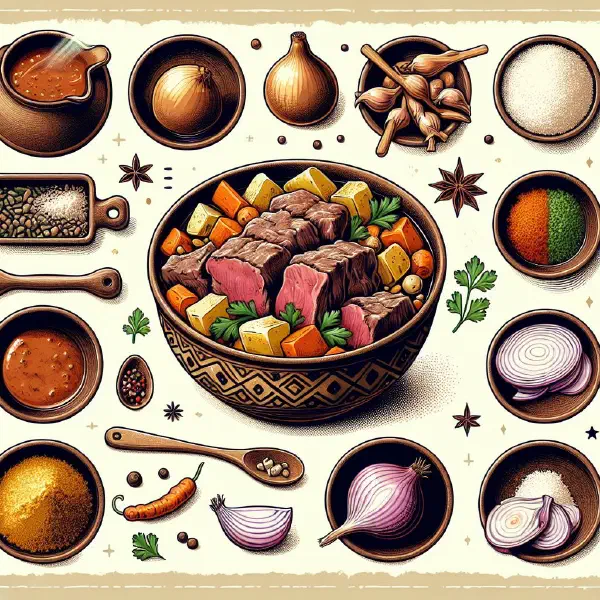
- 200 g buckwheat or rice
- 1 small onion
- 1 carrot
- 2–3 tablespoons vegetable oil
- 500 ml vegetable stock or water
- Salt to taste
- Pepper to taste
- Fresh herbs, to garnish
Shopping for the ingredients
To make kasha, it pays to gather everything in advance. The main ingredient, buckwheat, along with fresh vegetables, is easy to find in most supermarkets or at a weekly market. When choosing your vegetables, look for the freshest and most fragrant produce you can, since they shape the flavour of the finished dish considerably. It is also worth keeping a few extra spices to hand so you can fine-tune the seasoning to your liking.
Preparing the dish
Before you start cooking kasha, prepare all the ingredients thoroughly. Begin by rinsing the grains well to wash away any dust or debris. While they drain, peel and chop the vegetables. Take care to cut the onion and carrot into evenly sized pieces so that they cook at the same rate and blend neatly into the finished dish, the same tidy prep that underpins a good Damlama.
Step-by-step instructions
- Heat the vegetable oil in a pan over a medium heat.
- Add the diced onion and sweat it until translucent.
- Stir in the chopped carrot and fry for around 5 minutes.
- Add the rinsed grains and stir everything together well.
- Pour in the vegetable stock or water and bring to the boil.
- Reduce the heat, cover the pan and let it simmer for about 15–20 minutes, until the grains are tender and the liquid has been absorbed.
- Stir gently and season to taste with salt and pepper.
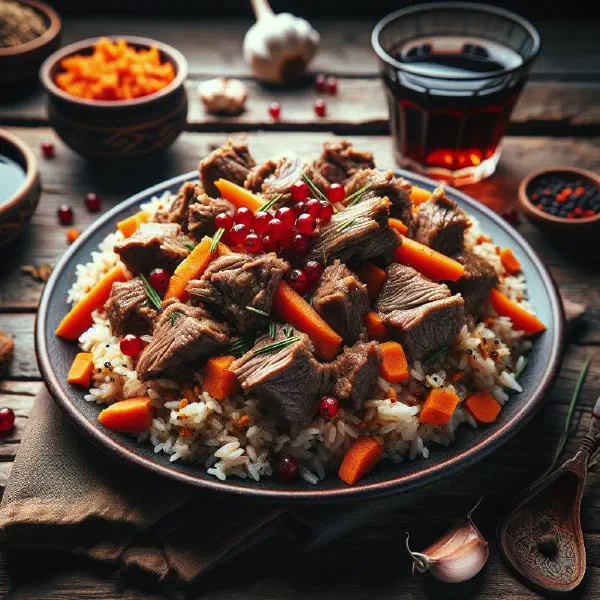
- Serve the kasha warm, garnished with fresh herbs.
Gluten-free / lactose-free version
For anyone with a gluten intolerance or lactose intolerance, kasha is an excellent choice. Buckwheat is naturally gluten-free and makes an ideal base for the dish. When buying vegetable stock, check the label and pick a certified gluten-free version. Kasha is also naturally lactose-free, so it adapts to particular dietary requirements without any trouble at all.
Tips for vegans and vegetarians
Kasha is a splendidly nourishing option for vegans and vegetarians. The recipe is easy to adapt simply by keeping to plant-based ingredients throughout. If you would like to add more protein, try stirring in lentils or tofu. Replacing shop-bought stock with a homemade broth made from vegetable trimmings deepens the flavour and is the more sustainable choice too.
More tips and tricks
To get the most from your kasha, experiment with different spices and herbs. Cumin, paprika or fresh parsley all lend the dish extra character. If you fancy something different, add a handful of dried fruit such as raisins or apricots for a gentle sweetness, a trick borrowed from Parvarda. Remember to stir well so that every ingredient is evenly distributed.
Adapting the recipe to your taste
Kasha is exceptionally versatile and takes readily to personal preference. You might add more or less vegetable depending on what you enjoy or what happens to be in season. Play with the type of grain as well, using quinoa or even pearl barley in place of buckwheat. That way your dish stays fresh and interesting every single time you make it.
Ingredient substitutions
If buckwheat is not available, rice or millet will do the job perfectly. These alternatives have similar cooking times and imitate the character of kasha very well. To make the dish more varied still, other vegetables such as courgette or peppers work beautifully. Simply choose whatever appeals to you most and is easy to find where you live.
Drink pairing ideas
To round off the experience of kasha, choose your drink with care. A fresh herbal tea or a lightly sparkling mineral water works wonderfully to cleanse the palate, and a cup of Tarkhun Tea is a properly local option. For a fuller pairing, a light red wine or a homemade fruit juice can be served.
Serving and presentation ideas
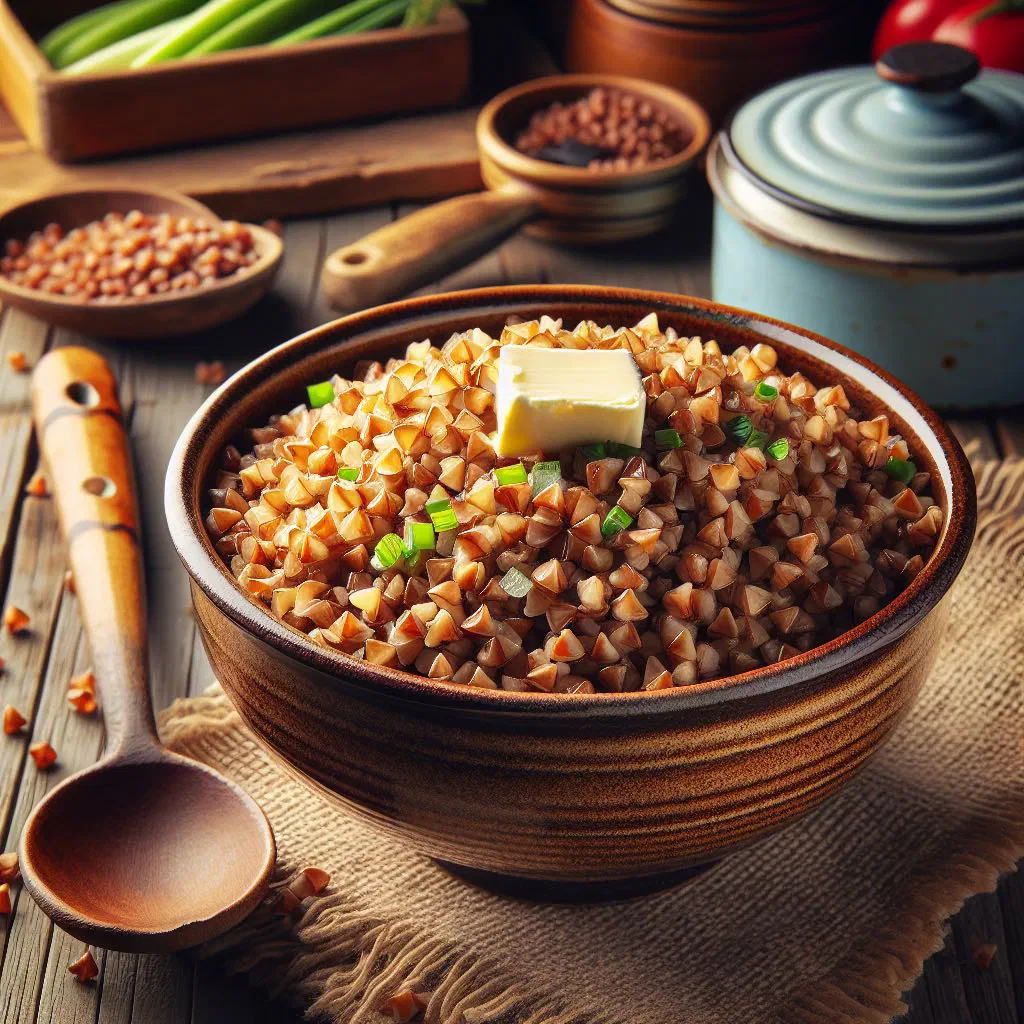
The way you present kasha can lift the entire meal. Serve it in a handsome bowl that shows off the colours of the ingredients. Garnishes of fresh herbs or edible flowers give the dish an elegant finish. A colourful salad on the side completes the picture and makes for a healthy, inviting spread, a soft flatbread such as Obi Non is also welcome for mopping the bowl clean.
A bit of history
Kasha has a long tradition in the Tajik kitchen and is often bound up with family memories and cultural heritage. Originally it served as a filling meal during the harvest, providing working farmers with the energy they needed to get through long days. The way kasha is made varies from region to region and from family to family, with each cook adding their own touch. That makes it not merely a dish but a living piece of history and a cornerstone of Tajik cuisine that connects the generations.
More recipe ideas
Summary: Kasha
Kasha is a versatile and flavoursome dish that reflects the cultural roots of Tajikistan. Whether as a main course or as a side dish, it is simple to prepare and adaptable enough for everyone to bring something of their own to the pan. That balance of traditional nourishment and modern adjustment makes kasha an ideal choice for anyone in search of memorable flavours. Give it a try and enjoy a piece of Tajik culture on your plate.