National Dish Tajikistan: Kurut (Recipe)
In this article
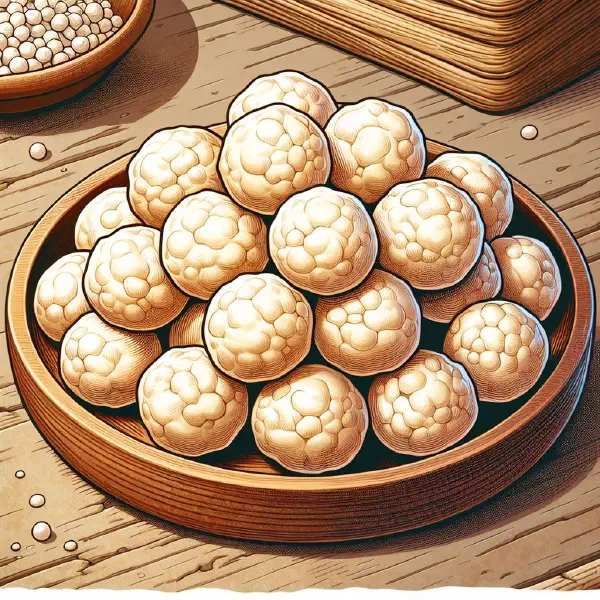
Meet Kurut, the little white yoghurt balls that have kept Tajik shepherds and travellers going for centuries. Fresh milk is salted, soured and slowly dried until it turns into a firm, tangy nugget with a bracing savoury bite. It keeps almost indefinitely, needs no refrigeration and packs a remarkable amount of nourishment into a very small package. Made at home, it is one of the simplest and most rewarding introductions to the mountain kitchens of Central Asia.
About Kurut
Kurut is a traditional Tajik yoghurt snack, made from fresh milk that is soured and then dried. It offers a wonderfully distinctive savoury flavour and counts as a delicacy right across Central Asia. The method behind kurut has a long history and is often handed down from one generation to the next. With its high nutrient content, kurut is a tasty snack and a sensible choice for anyone who eats mindfully, and it forms the backbone of dishes such as Kurutob.
Ingredients (serves 1–2)
- 500 ml fresh milk
- 1/2 teaspoon salt
- Optional: spices (caraway, paprika)
- Water, for soaking
Shopping for the ingredients
The ingredients for kurut are available in most well-stocked supermarkets or at a weekly market. Pay particular attention to the fresh milk, since it forms the entire basis of this snack. Take the opportunity to pick up other regional products or spices as well, to broaden the flavour of the finished result. When choosing your milk, organic or raw-milk products are worth preferring for the best possible taste.
Preparing the dish
Preparing kurut is straightforward, but it does need time for the milk to ferment and dry. Begin by pouring the fresh milk into a pan and warming it gently over a low heat. Add the salt and stir well so that it is evenly distributed throughout. Let the mixture cool for a few hours before transferring it into containers to start the fermentation.
Step-by-step instructions
- Warm the fresh milk in a pan and add the salt.
- Let the mixture cool over a low heat for several hours.
- Transfer to a container and leave to ferment for 24 hours.
- Check the fermentation, then shape the mass into small portions.
- Lay the shaped portions on a baking tray and dry them at a low temperature.
Gluten-free / lactose-free version
Kurut is naturally gluten-free, and it can easily be turned into a lactose-free version too. Simply use lactose-free milk alternatives such as almond or soya milk. Bear in mind that both the flavour and the texture will vary a little from the original. This makes the snack suitable for people with particular dietary needs, much like the naturally dairy-light Shakarob.
Tips for vegans and vegetarians
For vegans, it is perfectly possible to make kurut from plant-based milks. Coconut milk, for example, gives a creamy and fragrant base to work from. Adding spices and herbs can lift the flavour further still. Experiment with different plant-based ingredients to create your own vegan version of kurut.
More tips and tricks
To make perfect kurut, it is important to get the temperature right during the drying process. Too much heat will cause the finished product to lose its texture. Experiment with spices to discover different flavour directions. A few, such as caraway or fresh herbs, offer a particularly interesting variation.
Adapting the recipe to your taste
The kurut recipe adapts well to personal preference. Add your favourite spices, paprika or pepper, say, to give the snack a character of its own. You can also adjust the consistency by varying the drying time. A shorter dry gives a softer snack, while a longer one produces a crisper, harder version.
Ingredient substitutions
If you have no fresh milk to hand, yoghurt alternatives can be used instead. These may be based on soya, almond or oats. Make sure the alternative is unsweetened, so that the authentic taste of kurut is preserved. That way you can still enjoy kurut even if lactose or dairy products are not part of your diet, the same thinking applies when working with Chaka.
Drink pairing ideas
Kurut goes beautifully with a range of drinks that complement its flavours. Traditional Tajik teas are a popular choice, offering a gentle counterpoint to the salt. Refreshing fruit or herbal teas make good companions too, as does a glass of Doogh. For something livelier, a mint lemonade makes a surprisingly good match.
Serving and presentation ideas
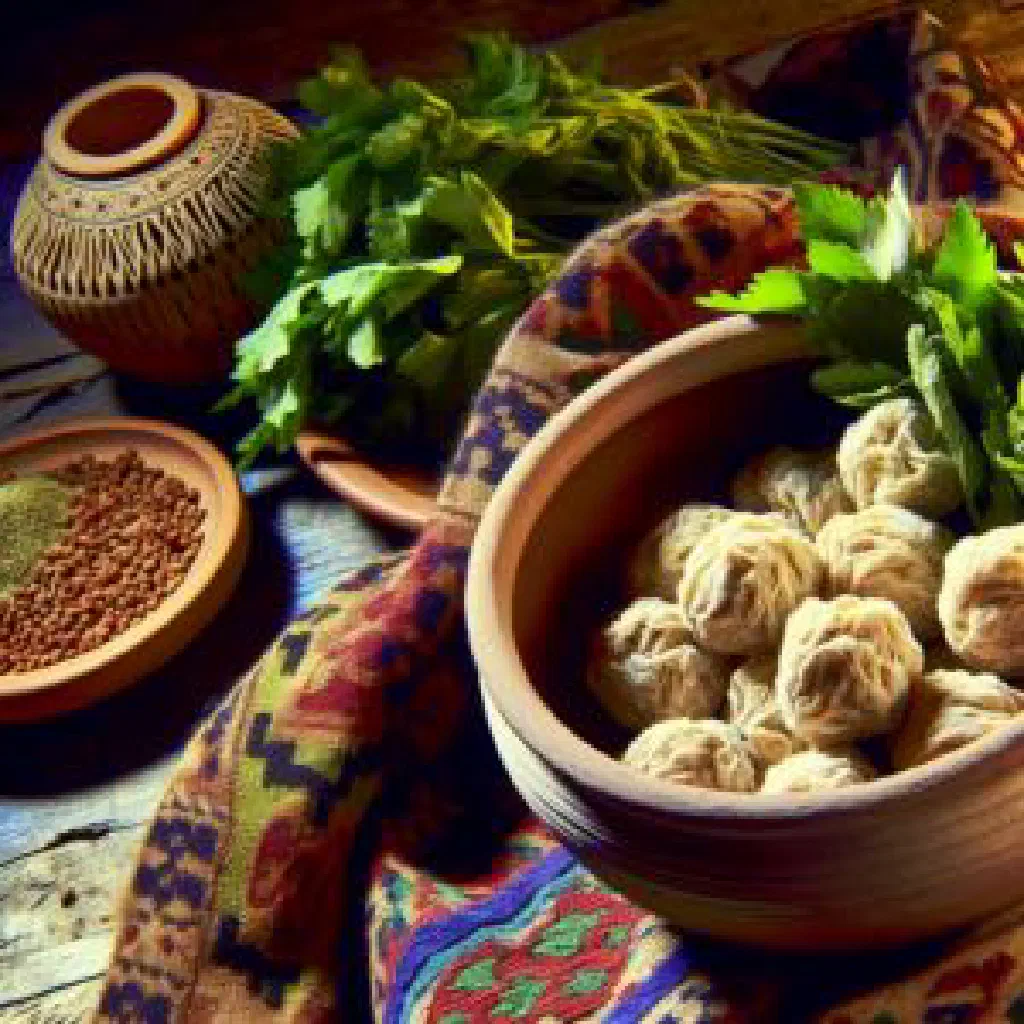
Presentation can lift the kurut experience considerably. Serve the balls on an attractive plate or in small bowls with fresh herbs as a garnish. This gives the snack an inviting look and encourages people to reach for one. You can also add a few pieces of fresh fruit to contrast with the colours and the flavours, or set out a basket of warm Non alongside.
A bit of history
Kurut has a long history in Tajik culture and was originally developed as a way of preserving dairy products. The old practice of drying milk to make it keep was of enormous importance in an age without refrigeration. Today kurut is valued as a snack and is a symbol of Tajik cuisine. It brings people and their stories together and remains an important part of the region’s culinary identity.
More recipe ideas
Summary: Kurut
To sum up, Kurut is a delicious and nourishing yoghurt snack rooted deep in Tajikistan. Its unusual method of preparation and its range of flavour possibilities make it a rewarding addition to any meal. Kurut promises a taste experience you will not forget. Try this traditional speciality and discover the culinary variety of Tajikistan.