National Dish Tajikistan: Patyr Nan (Recipe)
In this article
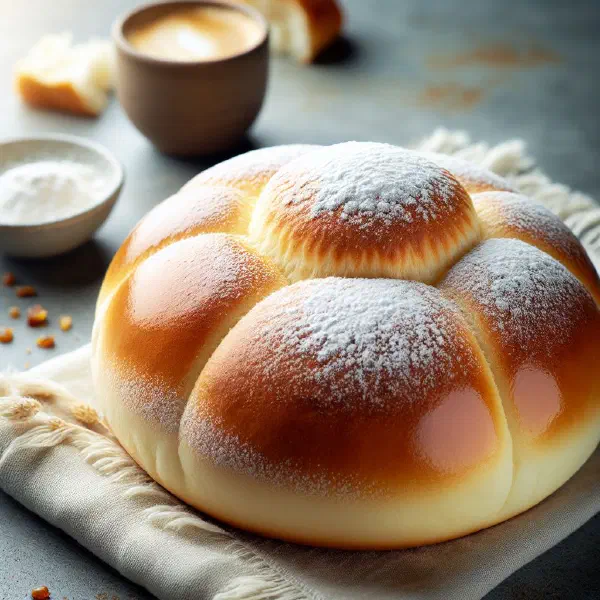
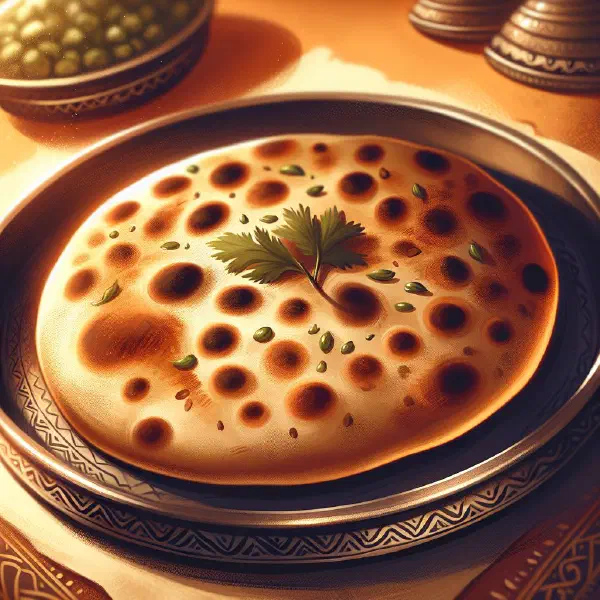
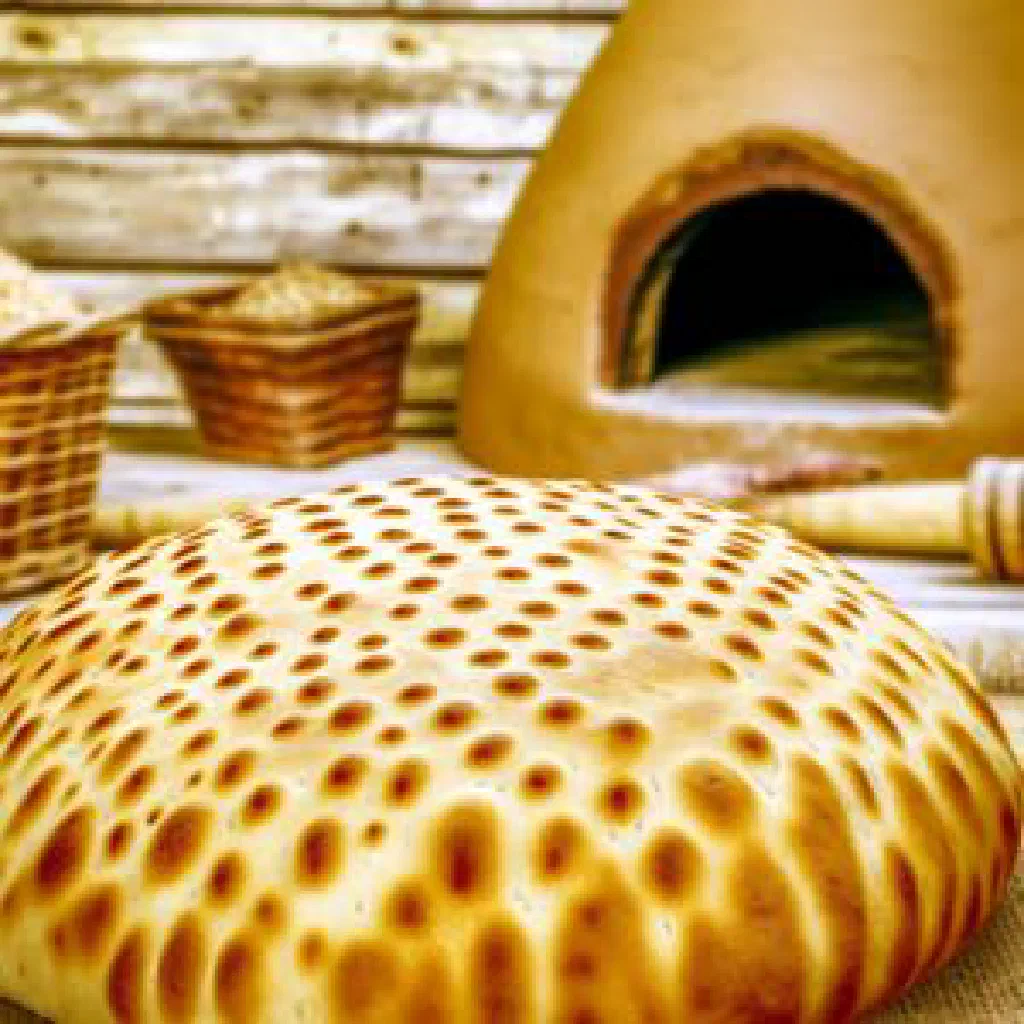
Few things say welcome in Central Asia quite like a warm round of Patyr Nan, the traditional flatbread of Tajikistan. Golden, faintly crisp at the edges and pillowy in the middle, it is baked in a searing hot oven until the surface blisters and the kitchen fills with the smell of fresh bread. Made from little more than flour, water, salt and yeast, it is proof that the simplest recipes are often the most rewarding, and it is remarkably easy to bake at home.
About Patyr Nan
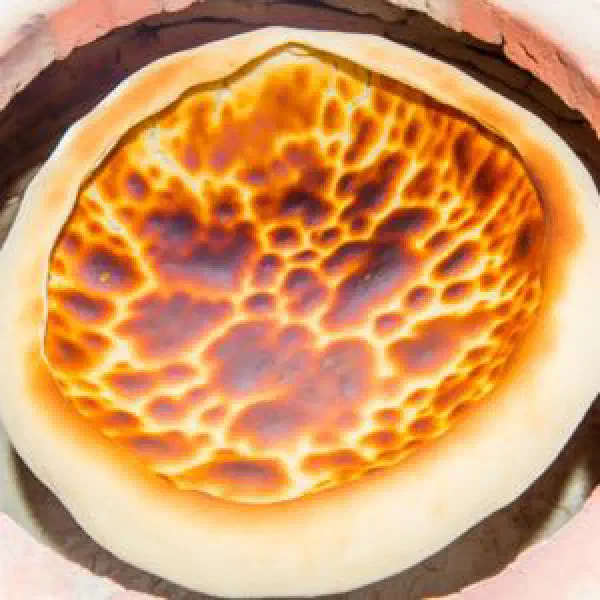
Patyr Nan is the everyday bread of Tajik households, a round flatbread that appears at practically every meal from breakfast through to a late supper. Its character comes from a well-kneaded yeast dough and a very hot oven, which gives the loaf its golden crust and soft, open crumb. Traditionally it is baked against the wall of a clay tandoor, where the fierce heat sets the surface almost instantly. Torn by hand and shared around the table, it is as much a gesture of hospitality as it is a food.
Ingredients (serves 1–2)
- 250 g plain flour
- 150 ml water
- 1 teaspoon salt
- 1 teaspoon sugar
- 1 teaspoon dried yeast
- 1 tablespoon olive oil
Shopping for the ingredients
When shopping for patyr nan, pay particular attention to the flour, as it largely determines the texture of the finished bread. Choose a good strong wheat flour intended for bread making, which has the protein content needed for a springy crumb. Make sure the dried yeast is fresh and well within date, otherwise the dough will struggle to rise. Everything else is easy to find in an ordinary supermarket, though local markets often carry excellent flour worth seeking out.
Preparing the dish
Before you begin, set up a comfortable work area and bring all the ingredients together within reach. A large mixing bowl gives the dough room to be brought together without spilling over the sides. Decide whether you want to knead by hand or use a stand mixer. Both produce fine results, and hand kneading gives you a better feel for when the dough is ready. A lightly floured board or pastry mat makes the kneading far easier and keeps the dough from sticking.
Step-by-step instructions
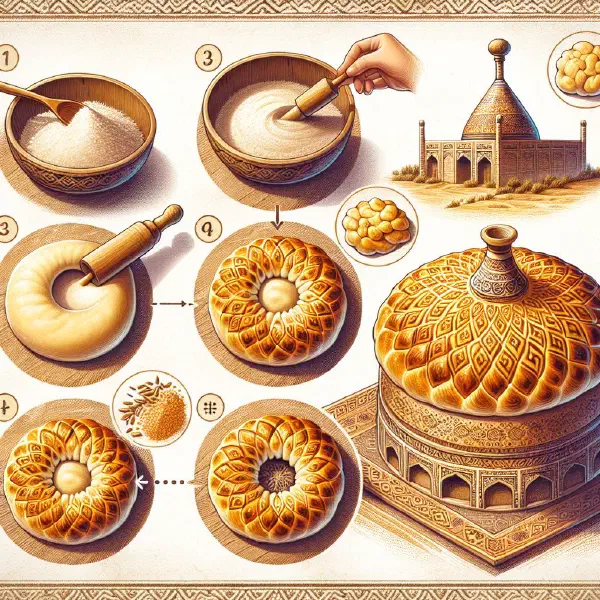
- Combine the flour, salt, sugar and dried yeast in a large bowl.
- Add the water and olive oil, then mix everything together thoroughly.
- Knead the dough on a floured surface for about 10 minutes, until smooth and elastic.
- Place the dough in a lightly oiled bowl, cover, and leave to rise in a warm spot for about 1 hour.
- Knock the risen dough back briefly and divide it into equal portions.
- Shape each portion into a round flatbread and place on a baking tray.
- Bake in a preheated oven at 250°C for 10–15 minutes, until golden brown.
Gluten-free / lactose-free version
A gluten-free patyr nan is entirely possible using alternative flours such as rice flour or buckwheat flour. Blending two or three different flours usually gives a better result than relying on one alone, as it helps preserve the texture of the bread. For a lactose-free version, simply stick with plant-based oil rather than butter or milk, the traditional recipe already leans that way. These small adjustments make the bread suitable for a wide range of dietary needs without losing its essential character.
Tips for vegans and vegetarians
One of the great things about patyr nan is that it is naturally vegan, provided you keep to plant-based ingredients throughout. To make the bread more aromatic, work flavoured oils or chopped herbs directly into the dough before the first rise. Spiced blends kneaded through the dough are another easy way to add depth of flavour. A vegan dip such as hummus or guacamole makes a lovely partner, as does a bowl of Shakarob alongside.
More tips and tricks
For an even better result, preheat the oven thoroughly and place an ovenproof dish of water on the bottom shelf. The steam creates a moist baking environment that gives the bread a crisper crust. Keep a close eye on the timing, as flatbread this thin colours very quickly and can darken in a matter of moments. Experimenting is the key to finding your own perfect patyr nan.
Adapting the recipe to your taste
The recipe adapts beautifully to personal preference. You might blend different flours together, or scatter in extra spices such as cumin or nigella seeds, which are the classic finish for Central Asian breads. The shape can vary too, bake smaller rolls instead of large flat rounds if that suits your table better. Do not be shy about experimenting with the ingredients until the bread is exactly how you like it.
Ingredient substitutions
If certain ingredients are hard to come by, there are excellent alternatives. In place of wheat flour you can use oat flour or a ready-made gluten-free blend, adjusting the water slightly to compensate. For a more pronounced flavour, swap the olive oil for sesame oil, which lends the bread a distinctly nutty note. Be creative and work with whatever you have to hand, much as you would when making a batch of Kulcha.
Drink pairing ideas
A freshly baked patyr nan goes wonderfully with a cooling yoghurt drink such as Doogh, or with a traditional herbal tea. Both complement the gently savoury aroma of the bread and make for a harmonious meal. If you prefer something alcoholic, a light wheat beer or a fruity rosé is an excellent choice. Combinations like these turn a simple loaf into a proper occasion.
Serving and presentation ideas
Presentation matters, particularly with a bread as handsome as this one. Serve it on a large decorative platter alongside a selection of dips such as yoghurt or a vegetable paste. A few fresh herbs, mint or parsley work well, scattered over the top make the spread look far more inviting. Remember that the colours of the accompaniments do as much for the overall effect as the bread itself.
A bit of history
Patyr nan has a long history in Tajikistan, closely bound up with nomadic culture and the age-old tradition of bread baking. Many families guard their own recipes, handed down from one generation to the next. The bread is served at festive occasions and is a symbol of hospitality and the richness of Tajik culture. The traditional wood-fired oven in which it is baked remains a central element of Tajik cuisine and its rituals of sharing.
More recipe ideas
Summary: Patyr Nan
Patyr nan is far more than a flatbread; it is a piece of Tajik identity and culture. It has established itself as an endlessly versatile and delicious staple. By respecting the traditional methods while adjusting the details to your own taste, you can develop a version of patyr nan that is entirely your own. Let the food of Tajikistan inspire you and enjoy a piece of its culture on your plate.