National Dish Tajikistan: Qurut (Recipe)
In this article
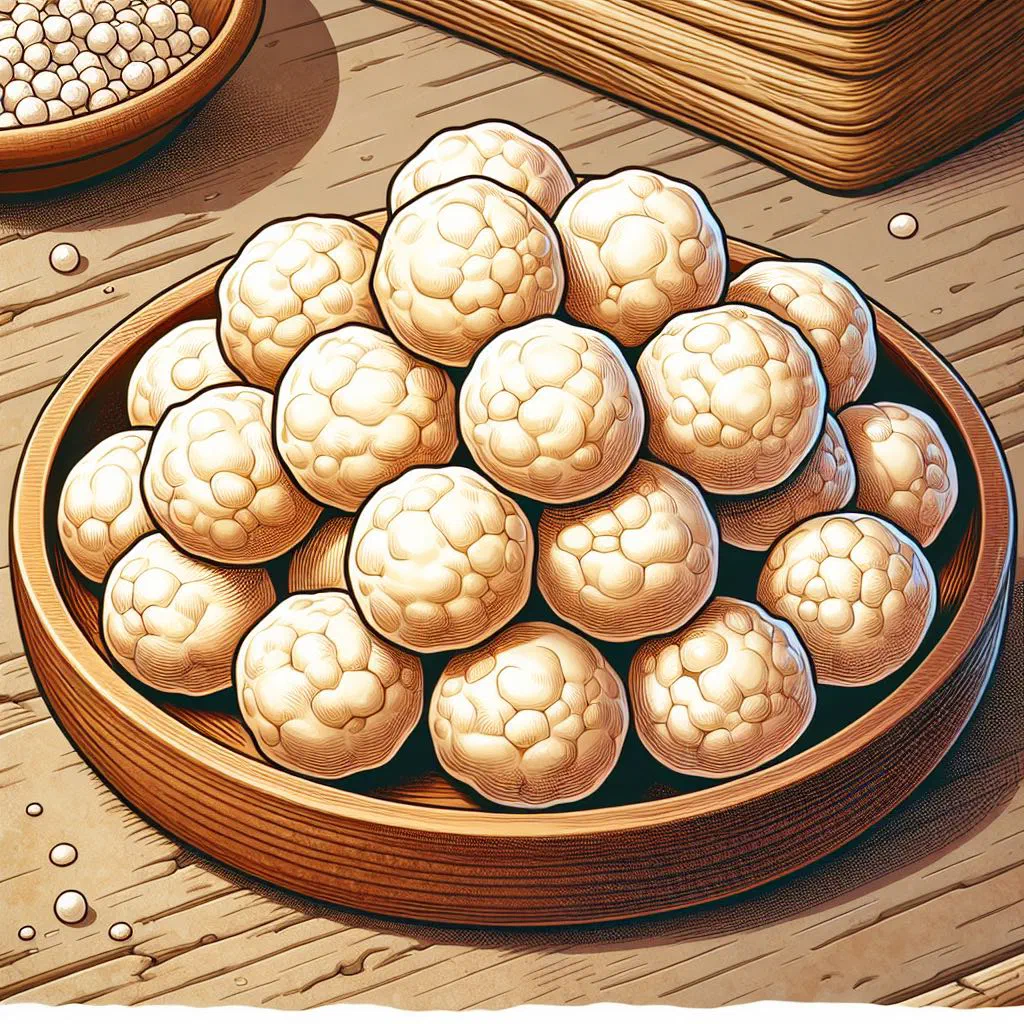
Discover Qurut, the tangy dried yoghurt that Tajik households have relied on for centuries. These small, chalk-white balls pack an astonishing amount of savoury punch into a very small package, and they keep for months without a fridge. Salty, sharp and quietly addictive, qurut is eaten as a snack, dissolved into soups or crumbled over bread. Best of all, it takes only three ingredients and a little patience to make at home.
About Qurut
Qurut is a traditional national dish of Tajikistan made from dried yoghurt. This distinctive speciality originated in the countries of Central Asia, where it is used as a nourishing and flavourful ingredient in a great many dishes. The intense, savoury tang of qurut pairs beautifully with all kinds of traditional food and brings a piece of Tajik culture straight to the table. It is also rich in probiotics, which are good for digestion, making it not just delicious but genuinely good for you.
Ingredients (serves 1–2)
- 500 g yoghurt
- 1 teaspoon salt
- Water, for mixing
- Spices of your choice (cumin or paprika, for example)
Shopping for the ingredients
To make qurut you need fresh yoghurt, the main ingredient behind this speciality. Look for natural, unflavoured yoghurt with no added flavourings or sweeteners. The salt is crucial both for the taste and for how well the finished product keeps. Spices such as cumin or paprika can round out your version nicely and give qurut a personal touch.
Preparing the dish
Begin by stirring the yoghurt thoroughly so that the consistency is completely even. The salt is then distributed evenly through the yoghurt to season it properly all the way through. If you prefer a creamier texture, you can loosen the mixture with a splash of water. Once this groundwork is done, you are ready to start the drying itself.
Step-by-step instructions
- Tip the yoghurt into a large bowl.
- Add the salt and spices and stir well to combine.
- Turn the mixture out onto a clean cloth or tea towel.
- Gather the cloth over the mixture, tie it shut and hang it up somewhere airy.
- Leave it for 2–3 days, until the mixture has dried out completely.
- Once the yoghurt has reached the dryness you want, break it into small pieces and store it.
Gluten-free / lactose-free version
Because the base ingredient is yoghurt, qurut cannot be made dairy-free in the strict sense. You can, however, use lactose-free yoghurt, so that people with a lactose intolerance can enjoy this speciality too. As for gluten, qurut is naturally gluten-free, which makes it an ideal choice for gluten-free diets. Do check that any spices you use are certified gluten-free as well.
Tips for vegans and vegetarians
Vegans can use a plant-based yoghurt made from nuts or soya to achieve a similar texture and flavour. These alternatives carry the character of qurut surprisingly well and open the recipe up to fully plant-based kitchens. Just make sure that every other ingredient you reach for is vegan too. That way you can vary the recipe to your own taste without giving up the traditional method.
More tips and tricks
To extend the shelf life of your qurut, store it somewhere cool and dark. Many people simply enjoy it as a snack, and it can also be soaked in water or stock to create a refreshing, savoury soup, the same principle behind the classic Qurutob. The spiced leftovers make an excellent dip for fresh vegetables or bread. Experiment with different spices until you land on your own favourite blend.
Adapting the recipe to your taste
The basic method for qurut is easy to adjust to different palates. Prefer it hotter? Add a pinch of chilli powder. For a sweeter note you can work in a little honey or sugar, though this is unusual in the traditional preparation.
Ingredient substitutions
If you have no yoghurt to hand, kefir works too and gives a similar consistency with a slightly different tang. A softer, fresher version of the same idea is Chaka, the strained yoghurt that qurut is essentially the dried form of. To vary the seasoning, try nigella or coriander for a new flavour direction, and choosing certified organic ingredients will noticeably improve the final result. Variations like these let you tailor qurut entirely to your own preferences.
Drink pairing ideas
Qurut goes best with traditional Tajik drinks, such as a freshly brewed herbal tea or a cooling yoghurt drink like Doogh. Buttermilk-based drinks and a simple glass of chilled mineral water also complement its salty, sour notes well. If you would rather have something alcoholic, a light beer or a sweet red wine provides a pleasing contrast. Try a few combinations to find the pairing you like best.
Serving and presentation ideas
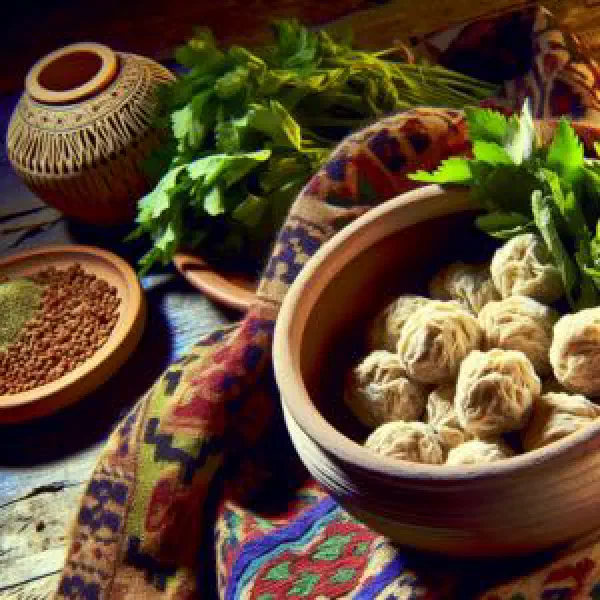
Qurut can be presented in all sorts of appealing ways. Serve it in small bowls, garnished with fresh herbs or a few whole spices for a colourful contrast. Combining it with fresh vegetables or grilled meat on a large sharing platter shows the dish off particularly well. Traditional Tajik tableware makes the cultural connection even clearer.
A bit of history
The story of qurut goes back centuries and is deeply rooted in the culture of Tajikistan. Originally developed as a way of making dairy last longer, it grew into a popular snack and a staple ingredient across Tajik cuisine. On the Central Asian steppe, drying yoghurt was a practical solution for nomadic families who needed food that would survive long journeys. The method is still handed down from one generation to the next, which is why qurut remains such a meaningful part of the region’s culinary identity.
More recipe ideas
Summary: Qurut
Qurut is far more than just a foodstuff; it is a piece of culture that embodies Tajik cooking. Simple to make and genuinely nourishing, it is a great way to try something new while adding healthy probiotic nutrients to your diet. As a snack, as an ingredient in other dishes or as a dip, the possibilities are wide open. Let Tajik cooking inspire you and enjoy the unmistakable flavour that qurut brings.