National Dish Tajikistan: Shirchai (Recipe)
In this article
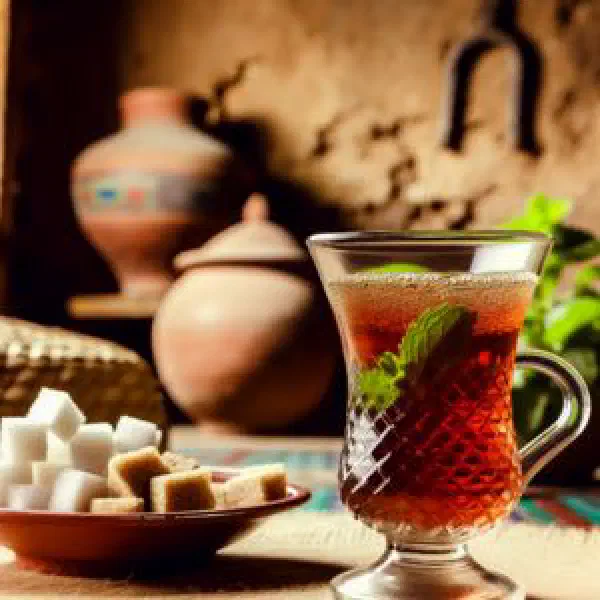
Warm, milky and gently spiced, Shirchai is the drink that opens the day across Tajikistan. Green tea leaves are steeped with cardamom and cinnamon, then softened with fresh milk until the whole thing turns creamy and fragrant. It is poured for family at breakfast and pressed into the hands of every visitor, which is why Tajiks think of it less as a beverage and more as a welcome you can drink. Simple to make, endlessly comforting, and ready in under fifteen minutes.
About Shirchai
Shirchai is the traditional milk tea of Tajikistan, with roots that run deep through the country’s culture. It is far more than a simple drink: it is a symbol of hospitality and of time spent well in company. Most often it appears at breakfast, and it is a wonderful way to begin the day. With its distinctive blend of green tea, fresh milk and warming spices, shirchai reflects the local flavours and traditions of Central Asia, much like the savoury dishes of Tajik cuisine that so often share the same table.
Ingredients (serves 1–2)
- 2 cups water
- 1–2 teaspoons green tea leaves
- 1 cup milk (or a plant-based alternative)
- 1 teaspoon sugar, to taste
- A pinch each of cardamom and cinnamon
Shopping for the ingredients
When shopping for shirchai, it pays to choose good-quality ingredients, above all the green tea. Make sure the tea is fresh, as this makes all the difference to the finished flavour. The milk should be of a decent standard too, since it carries much of the character of the drink. Spices such as cardamom and cinnamon are essential to the full aroma of Tajik cooking, and are best bought whole and ground just before use.
Preparing the dish
Preparing shirchai is straightforward, though a few basic steps help you get the best out of it. Begin by measuring the green tea into a strainer and setting out your spices. Make sure you have fresh milk or a plant-based alternative to hand. It is also worth warming the cups or bowls you plan to serve in, so the shirchai keeps its heat right to the last sip.
Step-by-step instructions
- Bring the water to the boil in a small pan.
- Add the green tea and the spices, then leave to steep for 5 minutes.
- Strain the tea into a second pan or bowl to remove the leaves.
- Add the milk and sugar and heat gently until warmed through, without letting it boil.
- Pour the shirchai into the pre-warmed cups and serve piping hot.
Gluten-free / lactose-free version
Shirchai adapts to a gluten-free or lactose-free diet without any trouble at all. Simply use lactose-free milk or a plant-based alternative and the drink suits anyone avoiding dairy. Gluten does not feature in any of the main ingredients, so shirchai is naturally gluten-free. That makes it an excellent choice for guests with intolerances, and it pairs happily with naturally gluten-free sides such as Chaka.
Tips for vegans and vegetarians
Making shirchai vegan could hardly be easier. In place of dairy milk, reach for a plant-based option such as oat milk or almond milk. These alternatives bring a rich, rounded flavour of their own and are a wholesome choice besides. Just check that the spices and the sweetener you use are vegan too, so the finished drink is suitable throughout.
More tips and tricks
To get the most out of shirchai, experiment with different spices and sweeteners. Some people add a little ginger for an extra kick, while others prefer honey as a more natural sweetener. Playing with the steeping time is another good way to find your own balance of strength and aroma. Try varying the quantity of spices as well until you hit on the blend that suits your palate best.
Adapting the recipe to your taste
Shirchai is a versatile drink and easy to tailor to personal preference. Like it sweeter? Add more sugar. Prefer something gentler? Cut back on the green tea. Adjustments like these let you shape shirchai to your own taste and steer the flavours in whichever direction appeals to you most, the same freedom you have with a bowl of Qurutob.
Ingredient substitutions
If green tea is not available, other varieties such as black or white tea work perfectly well. These alternatives bring different nuances and change the character of the drink in interesting ways. The spices can vary with what you have to hand, too. Try fennel or anise for an unexpected twist.
Drink pairing ideas
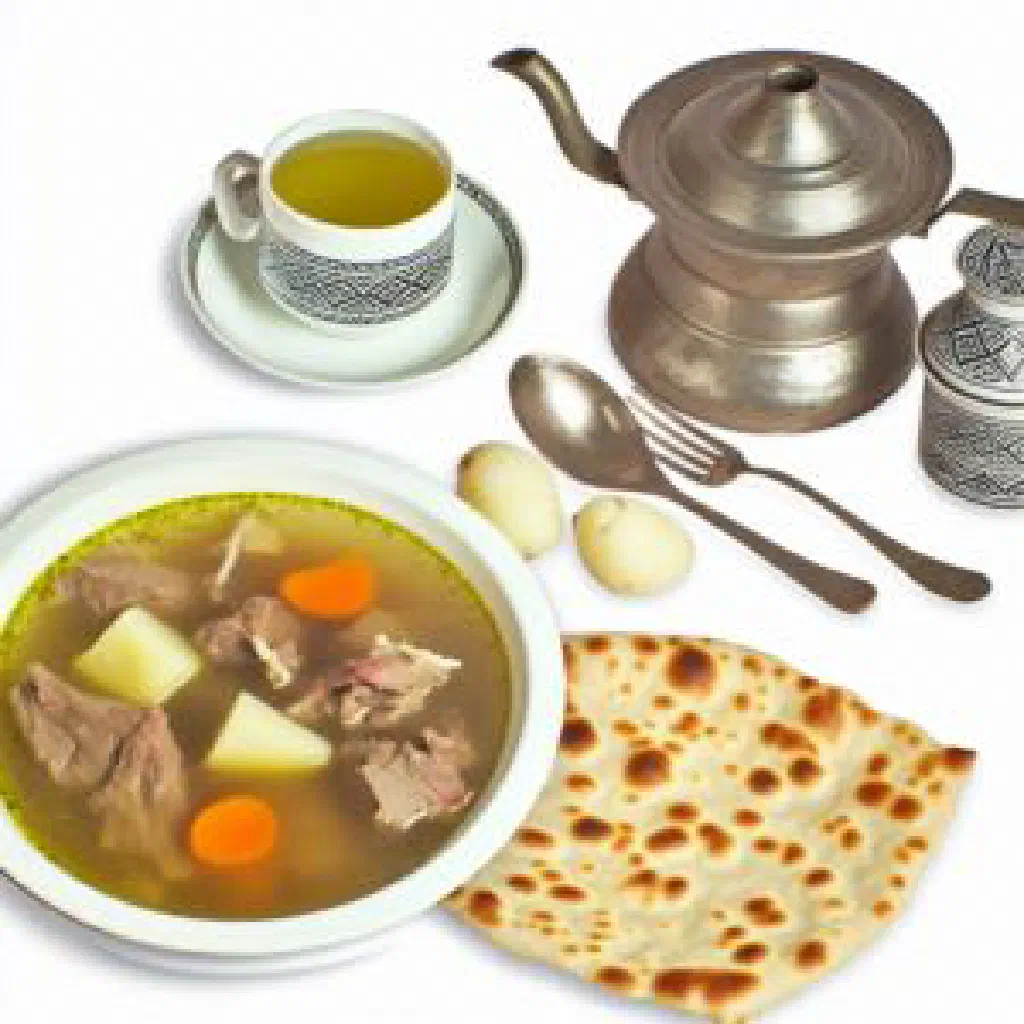
Shirchai sits beautifully alongside other Tajik dishes. It goes especially well with savoury pastries such as Sambusa or other filled dough parcels. Fruit smoothies make a refreshing addition and round out a balanced breakfast table. If you want something lighter, herb-based refreshers are an excellent way to bring the flavours into harmony.
Serving and presentation ideas
Presentation can lift the whole shirchai experience considerably. Serve it in traditional Tajik bowls or glasses to underline the cultural side of the drink. Garnish with a pinch of cinnamon, or even a whole cinnamon stick, for visual appeal. Small touches like these make the ritual feel that much more special and inviting.
A bit of history
Shirchai has a long history and is closely bound up with Tajik identity. The drink is said to have been passed down from generation to generation for centuries, with each family adding its own small secrets along the way. In Tajik culture it is customary to offer shirchai to guests as a sign of hospitality and warmth, often with fresh bread such as Obi Non on the side. The drink carries not only flavour but deeply rooted cultural and social meaning within Tajik society.
More recipe ideas
Summary: Shirchai
In short, shirchai is an unmistakable drink of Tajik cuisine, winning people over with its combination of green tea, milk and warming spices. It represents Tajik culture and is served again and again as a gesture of hospitality. Preparation is simple, and with a few small adjustments anyone can bring it in line with their own preferences. Let this fragrant drink work its charm on you and discover the many ways there are to enjoy shirchai.