National Dish Tajikistan: Tuhum Barak (Recipe)
In this article
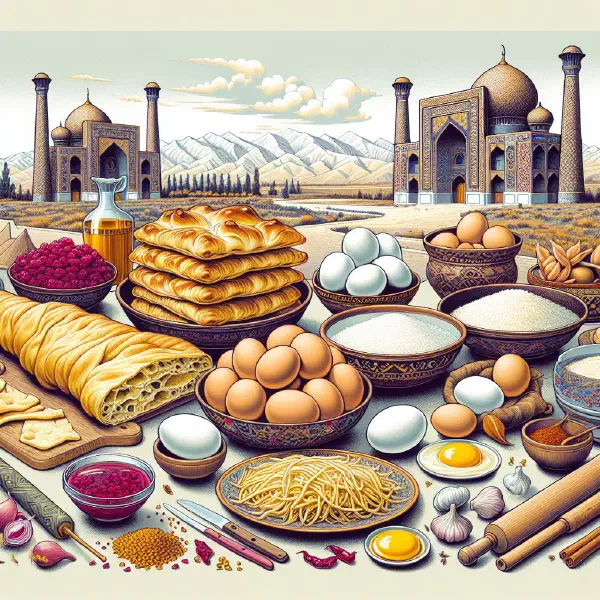
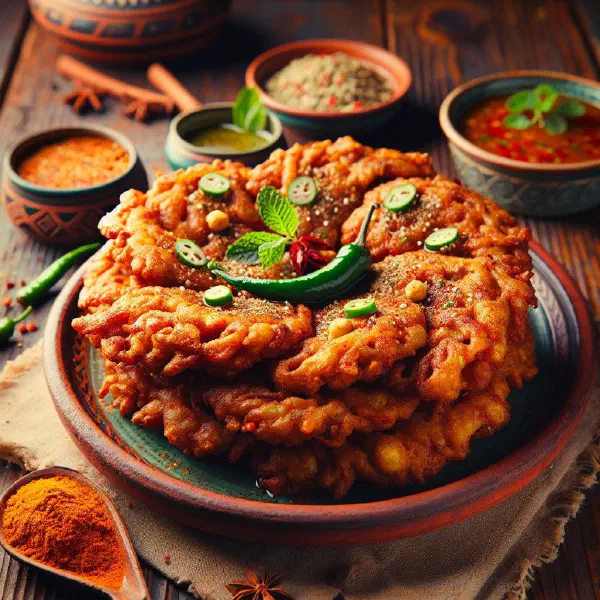
Meet Tuhum Barak, the golden little parcels that sit right at the heart of Tajik home cooking. Thin sheets of hand-rolled dough are folded around a savoury filling of eggs and generous handfuls of fresh herbs, then fried until crisp and burnished. It is a dish handed down through the generations, made for celebrations and quiet weeknights alike, and it carries the soul of Tajikistan in every bite.
About Tuhum Barak
Tuhum Barak is a traditional Tajik dish that brings together the soul and the culture of the country in one bite. These delicious dumplings are best known for their savoury filling, usually a mixture of eggs and various herbs. Making them is something of an art, passed down from one generation to the next across Tajikistan. Tuhum Barak is hugely popular in the Tajik kitchen.
Ingredients (serves 1–2)
- 200 g wheat flour
- 1 egg
- 100 ml water
- 50 g fresh herbs (such as coriander and parsley)
- 2 eggs (for the filling)
- Salt and pepper to taste
- Oil for frying
Shopping for the ingredients
When shopping for the ingredients for Tuhum Barak, it is important to pick fresh produce, especially the herbs. They give the dish its characteristic flavour and aroma. Most of the ingredients are easy to find in a local supermarket or at a market stall. Do make sure the flour is of good quality, as it forms the very base of the dough.
Preparing the dish
Preparing Tuhum Barak begins with the dough. First, mix the flour and water thoroughly until you have a smooth, supple dough. Let it rest for at least 30 minutes after the initial kneading so it becomes properly elastic. In the meantime you can make the filling by combining the eggs with the finely chopped herbs, much the same approach used for other Tajik dumplings such as Chuchvara.
Step-by-step instructions
- Mix the wheat flour, water, egg, salt and pepper together well until you have a smooth dough.
- Divide the dough into 4 equal pieces and roll each one out thinly on a floured surface.
- For the filling, combine the eggs with the chopped herbs and season with salt and pepper.
- Spread the filling evenly over the rolled-out pieces of dough and seal the edges firmly.
- Heat oil in a frying pan and fry the dumplings on both sides until golden brown.
Gluten-free / lactose-free version
For a gluten-free version of Tuhum Barak you can use gluten-free flour, which works very well for the dough. There are plenty of alternatives such as rice flour or almond flour that do the job nicely. Take care to keep the filling lactose-free too by choosing suitable alternatives to any dairy you might add. That way anyone with an intolerance can enjoy the dish as well.
Tips for vegans and vegetarians
For a vegan version of Tuhum Barak, the eggs can be replaced with plant-based alternatives such as silken tofu or chickpea flour. The dish also works beautifully as a vegetarian one if you simply leave the eggs out and add more herbs or vegetables instead. Season the vegetables properly to intensify the flavour of the filling. Vegan cream cheese alternatives can add a pleasantly creamy texture too.
More tips and tricks
To make the perfect Tuhum Barak, the texture of the dough is everything. It should be neither too dry nor too wet, so adjust the amount of water as you go. Frying the dumplings also calls for attention: they should come out golden and crisp, never scorched.
Adapting the recipe to your taste
The recipe for Tuhum Barak is easy to adapt to personal preference. Add spices such as cumin or chilli, for example, to give the dish extra depth of flavour. The type of oil you fry in can vary as well, depending on whether you want a nutty note or something more neutral. If fresh herbs are not available, dried ones will do the job perfectly well.
Ingredient substitutions
If you cannot track down certain ingredients, there are plenty of alternatives to fall back on. Spelt flour, for instance, can stand in for wheat flour and behaves in much the same way, the same flexibility you find when baking Non. The filling can also be swapped for vegetables such as spinach or mushrooms. Substitutions like these help with availability and open the door to exciting new flavour combinations.
Drink pairing ideas
A number of drinks go very nicely with Tuhum Barak. A refreshing yoghurt drink is ideal for complementing the flavours of the dumplings, something close to a chilled Doogh. Fresh juices such as pomegranate or apple juice are another excellent choice, offering a fruity contrast. If you fancy something alcoholic, try a light beer or a Tajik wine to round the meal off.
Serving and presentation ideas
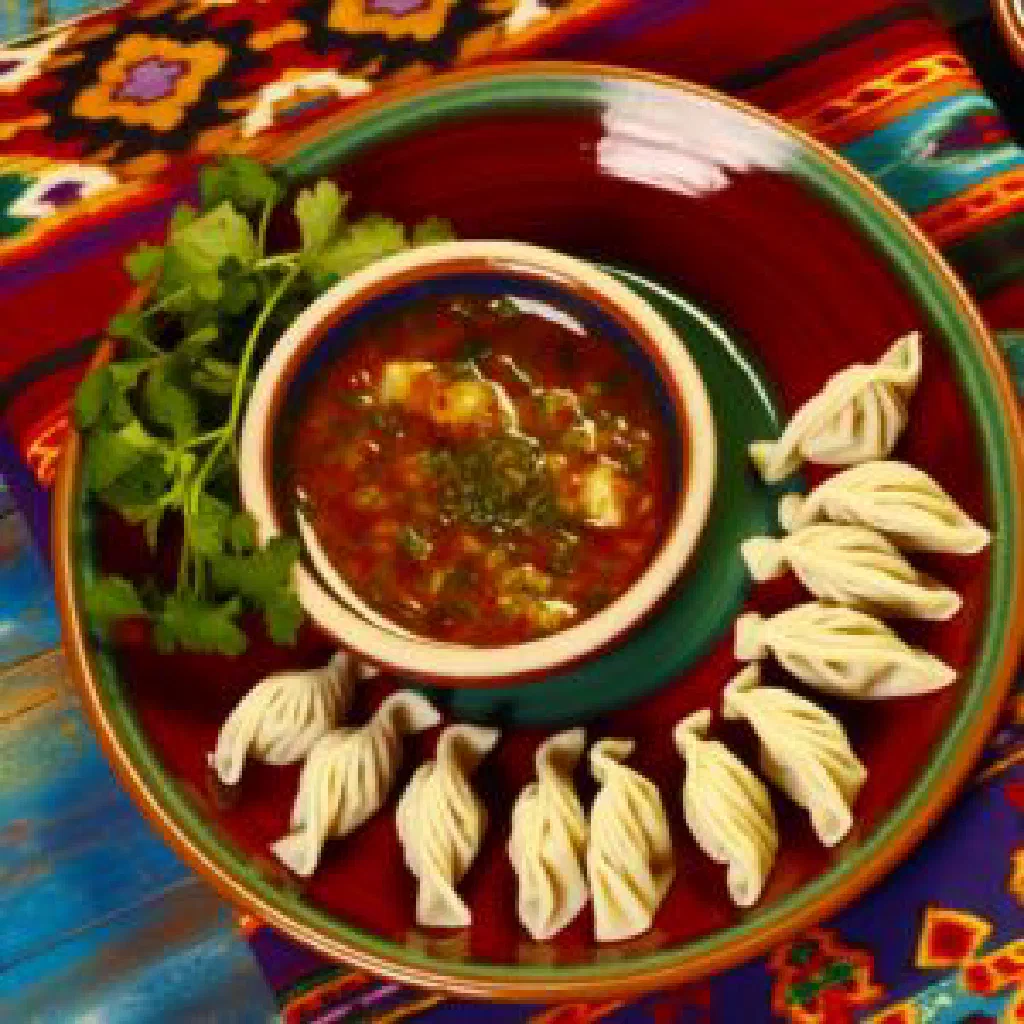
The presentation of Tuhum Barak can be lifted with a few simple but effective touches. Serve the dumplings on a colourful plate and garnish them with fresh herbs or a squeeze of lemon juice. A side of crisp salad also does wonders for the look of the dish. Decorative bowls and napkins complete the picture and make the whole spread a pleasure for your guests.
A bit of history
Tuhum Barak has deep roots in Tajik culture and reflects the history of the country. These dumplings are thought to have been made for centuries, inspired by the traders of the caravan routes who picked up new recipes and flavours on their journeys. Traditional accounts hold that dishes like this stand for hospitality and social exchange. They are often prepared for festivals and celebrations, strengthening the community and giving people a reason to come together around the table, a defining trait of Tajik cuisine.
More recipe ideas
Summary: Tuhum Barak
Tuhum Barak is more than just a dish; it is a piece of Tajikistan’s culinary heritage. With its unique combination of fresh herbs and eggs wrapped in crisp dough, it is a speciality that is both straightforward to make and guaranteed to impress your guests. Tuhum Barak brings the flavours and traditions of Tajikistan into any kitchen. Let this dish inspire you and celebrate the sheer variety of its cooking.