National Dish Tajikistan: Urumi (Recipe)
In this article
Discover Urumi, the fragrant flatbread that sits close to the heart of Tajik cooking. Thin sheets of dough are rolled out, filled with fresh herbs, spinach or crumbly cheese, then folded and fried until golden. The ingredients could hardly be simpler, yet the result is warm, savoury and satisfying, a genuine taste of Central Asia that comes together in an ordinary home kitchen with nothing more than a rolling pin and a hot pan.
About Urumi
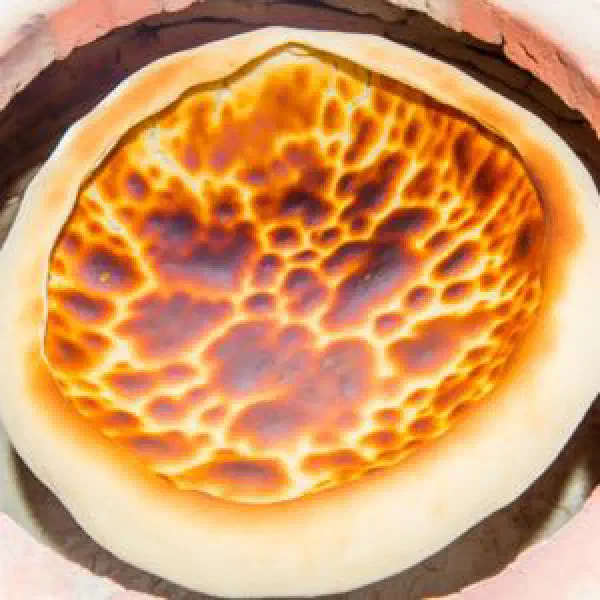
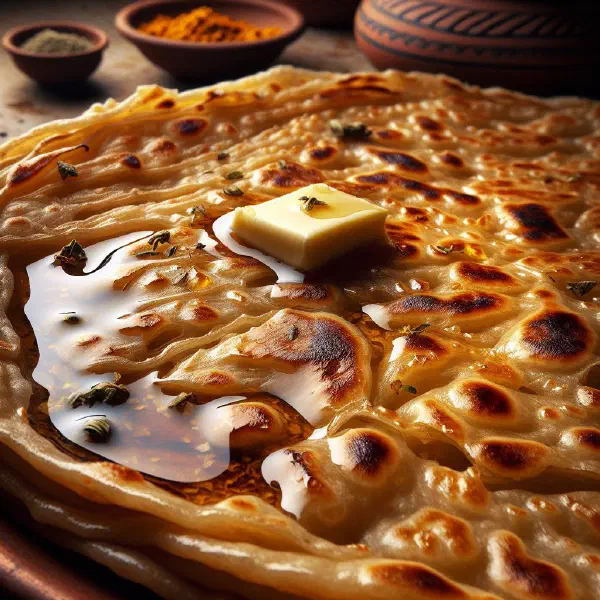
Urumi is a traditional national dish from Tajikistan, celebrated for its aromatic, wafer-thin dough flatbreads. These are far more than a side: they are a fixture of Tajik food culture and appear at family meals and celebrations alike. Urumi is usually served with a variety of fillings, among them fresh herbs, spinach or cheese, which gives every batch its own character and a genuinely rich flavour. Preparation is refreshingly straightforward, so the flavours of Tajikistan are easy to bring into your own kitchen.
Ingredients (serves 1–2)
- 250 g plain flour
- 150 ml water
- 1 teaspoon salt
- 1 tablespoon oil
- Filling of your choice (e.g. spinach, cheese, herbs)
Shopping for the ingredients
The ingredients for urumi are easy to find in most supermarkets or at a local market. When buying flour, choose a good quality one. It makes a real difference to the texture of the flatbreads. Fresh herbs and vegetables matter just as much for the flavour, so shop regionally and seasonally wherever you can. Many Tajik households still grow produce in their own yard or garden for dishes like this, which is exactly why the fillings taste so vivid, much as they do in a herby Boulani.
Preparing the dish
Good preparation makes urumi come together smoothly. Start by tipping the flour into a bowl and adding the salt. Pour in the water a little at a time and knead until you have a smooth, supple dough. Then let it rest so the gluten relaxes, a rested dough rolls out far more thinly and willingly than a freshly kneaded one, and that thinness is the whole point.
Step-by-step instructions
- Roll the rested dough out thinly on a floured surface.
- Heat a frying pan and add a splash of oil.
- Lay the rolled dough in the pan and fry briefly until it takes on a golden-brown colour.
- Spread your chosen filling evenly over the dough.
- Fold or roll the dough up and fry on both sides until the filling is cooked through.
- Serve the urumi warm and enjoy.
Gluten-free / lactose-free version
Urumi adapts easily to a gluten-free or lactose-free diet. Simply use a gluten-free flour alternative such as rice flour or chickpea flour for the dough; both handle well once rested. For the fillings, lactose-free cheeses or plant-based dairy substitutes do the job perfectly. With these small swaps, anyone with an intolerance can still enjoy the full flavour of urumi.
Tips for vegans and vegetarians
Vegans and vegetarians are spoilt for choice here, since the filling is entirely up to the cook. Vegetables such as courgette, aubergine or peppers make wholesome alternatives to cheese. Fresh herbs and spices supply all the flavour and aroma the dish needs, in the same way they carry a bowl of Shakarob. Whatever your diet, this Tajik classic remains open to you.
More tips and tricks
A few small habits give the best results. Take care not to roll the dough too thickly, or the flatbreads turn tough and chewy rather than delicate. Adding a pinch of spice directly to the dough is an easy way to lift it. Frying in a properly preheated pan is what makes urumi come out crisp and golden-brown rather than pale and soft.
Adapting the recipe to your taste
Urumi is easy to tailor to personal preference. Experiment with different fillings to uncover new flavour combinations, a spiced potato mixture, wilted greens, or salty cheese all work beautifully. Varying the spices gives the dish an individual signature too. That flexibility is exactly what makes urumi such an appealing recipe for any cook.
Ingredient substitutions
If a particular ingredient is nowhere to be found, there is usually a workable alternative. Dried herbs can stand in for fresh ones, though use a smaller quantity as their flavour is far more concentrated. For the filling, plant protein such as tofu or lentils works well in place of cheese, while tangy dried curd of the kind used in Qurut adds a more traditional note. Substitutions like these also widen the options for anyone managing food allergies or sensitivities.
Drink pairing ideas
The right drink rounds out the urumi experience nicely. A light, fresh tea such as mint tea sits beautifully against the savoury dough and herb filling. A fruity juice offers a refreshing alternative, and a cooling yoghurt drink like Doogh is the most traditional choice of all. These pairings do more than match the food. They complete the Tajik table.
Serving and presentation ideas
Presentation lifts urumi from everyday to memorable. Serve the filled flatbreads on a large platter, garnished with fresh herbs or a yoghurt dip. A bed of colourful vegetable salad underneath creates an attractive contrast on the plate. Above all, serve them warm. That is when the aromas and the crisp-tender texture are at their best.
A bit of history
Urumi has a long history in Tajikistan and is deeply rooted in the country’s culture. The technique behind these thin flatbreads developed over generations and reflects the culinary variety of the region. They were originally valued as portable food by nomadic peoples travelling in search of fresh ingredients, a practical role many breads of Tajik cuisine once shared. The tradition of eating urumi remains very much alive today, at festivals and on ordinary weekdays alike.
More recipe ideas
Summary: Urumi
All in all, urumi is a delicious and versatile dish that holds a high standing in Tajik cooking. With the simplest of ingredients and an uncomplicated method, you can bring a touch of Tajik tradition into your own kitchen. The sheer range of possible fillings and adjustments makes it an ideal recipe for different tastes and diets. Give urumi a try and let the flavours of Tajikistan work their charm.