National Dish Tajikistan: Zardak (Recipe)
In this article
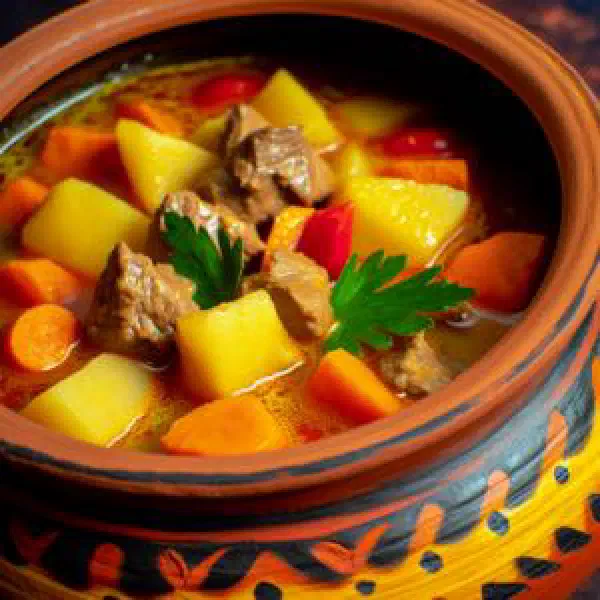
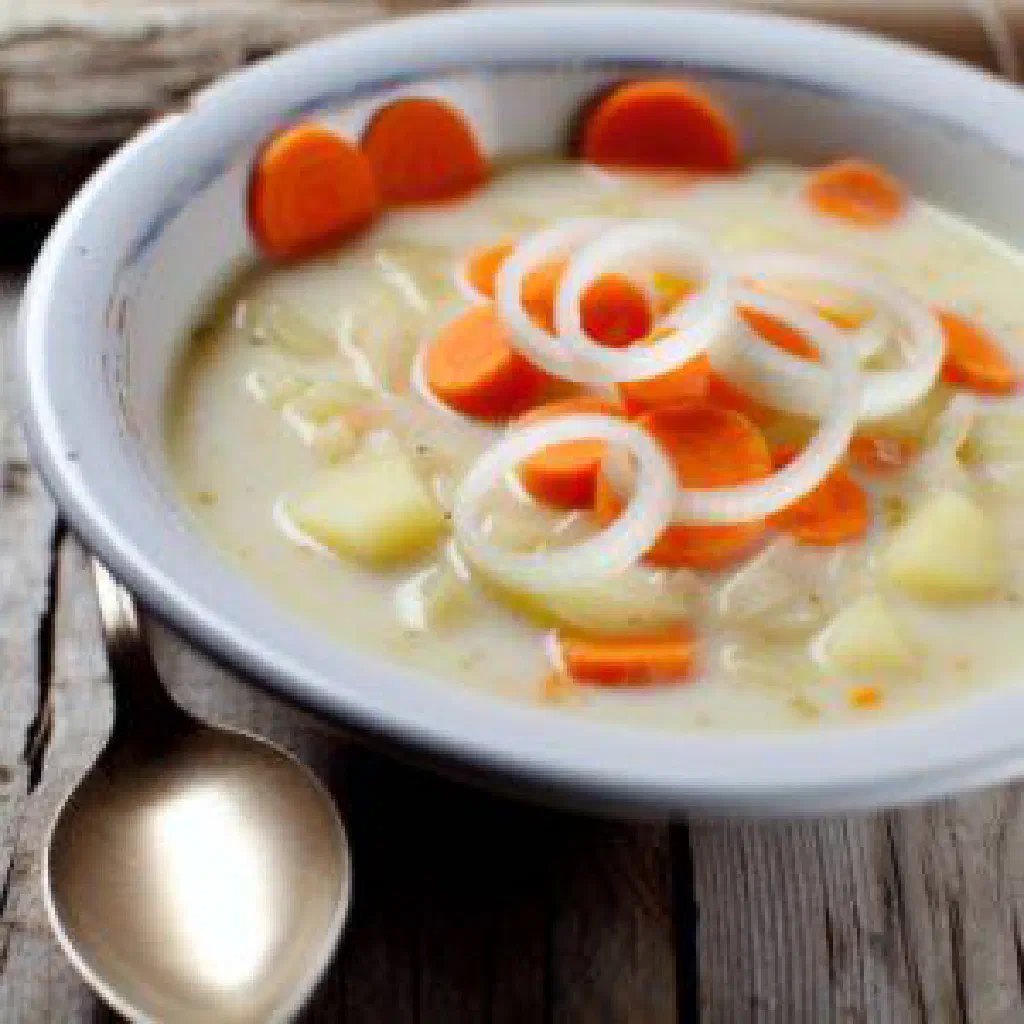
Discover Zardak, a warming Tajik vegetable stew that is as good to look at as it is to eat. Sweet carrots and tender potatoes simmer gently with cumin, turmeric and garlic until the whole pan glows a deep golden orange. The ingredients could hardly be simpler, yet the result is generous and comforting, the kind of dish that suits a quiet weeknight supper just as well as a table full of friends.
About Zardak
Zardak is a traditional Tajik dish that pleases the eye as much as the palate with its bright, sunny colours. Built on a base of fresh vegetables, above all carrots and potatoes, this stew is lifted by a harmonious blend of aromatic spices. The simplicity of the ingredients makes it an ideal recipe for any occasion, whether a festive family meal or a relaxed evening with friends. Zardak brings a piece of Tajik culture to the table and is a wonderful way to explore the variety of Central Asian cooking, much like the celebrated Plov.
Ingredients (serves 1–2)
- 3 medium carrots
- 2 large potatoes
- 1 onion
- 2 cloves of garlic
- 2 tablespoons vegetable oil
- 1 teaspoon cumin
- 1 teaspoon turmeric
- Salt and pepper to taste
- Fresh parsley, to garnish
Shopping for the ingredients
When shopping for the ingredients for zardak, freshness and quality should come first. Visit a local market or greengrocer to pick out the best carrots, potatoes and onions you can find. Make sure your spices are fresh too, as this is what allows the full flavour to come through. Fresh garlic in particular can lift the aroma of the dish considerably, so it is well worth not skimping here.
Preparing the dish
For the best results with zardak, all the ingredients should be washed and trimmed thoroughly before you begin. Start by peeling the carrots and potatoes and cutting them into small dice so they cook evenly. The onion should be finely chopped as well, so that it softens quickly in the pan. The garlic can be finely chopped or crushed to enrich the dish with its intense aroma.
Step-by-step instructions
- Heat the vegetable oil in a large pan over a medium heat.
- Add the chopped onion and fry until golden brown.
- Add the carrots and potatoes to the pan and fry briefly.
- Scatter over the cumin and turmeric and stir well to coat the vegetables.
- Pour in about 200 ml of water, cover the pan and let everything simmer for 25–30 minutes.
- Season with salt and pepper before serving and garnish with fresh parsley.
Gluten-free / lactose-free version
Zardak is naturally gluten-free and lactose-free, since none of the ingredients contain either. That means anyone with coeliac disease or a lactose intolerance can enjoy this dish without a second thought. If you follow a strict gluten-free diet, simply check that the spices and oils you use contain no hidden gluten. This keeps the dish accessible and delicious for everyone at the table.
Tips for vegans and vegetarians
For vegans, zardak is a wonderful way to enjoy a full range of flavour and nutrients with no animal products at all. Because the ingredients are entirely plant-based, the recipe is vegan as it stands. You can add further vegetables such as peppers or green beans to make the mix even more varied. This broadens the flavour and increases the nutritional density of the finished stew.
More tips and tricks
To get the best out of zardak, keep an eye on the freshness of your ingredients throughout. Cooking times can vary depending on what you use, so it is worth tasting the vegetables now and then as they simmer. Keeping a lid on the pan helps distribute the heat evenly and shortens the cooking time. At the very end you can finish the dish with a little chilli for an extra touch of heat.
Adapting the recipe to your taste
The flexibility of the recipe makes it easy to adapt zardak to your own preferences. You might add extra vegetables such as peas or courgette for more variety, or work in different spices to create entirely new flavour combinations. Experimenting with fresh herbs is another easy way to shift the aroma in a new direction, the same playful approach that works so well with a hearty Damlama.
Ingredient substitutions
If you do not have certain ingredients for zardak to hand, alternatives are easy to find. Instead of carrots you could use parsnips, which offer a similar sweetness with a slightly different texture. For the potatoes, sweet potatoes make a healthy and tasty stand-in. Just remember to adjust the cooking time accordingly, as different vegetables soften at different rates.
Drink pairing ideas
A number of drinks work nicely with zardak and support the flavours of the food. A chilled mint drink or a pot of mint tea makes a refreshing companion, as does the classic fruit-based Kompot. If you prefer something alcoholic, a light wheat beer or a fruity rosé complements the spices well. A fruity smoothie is another good option, echoing the freshness of the vegetables in the main dish.
Serving and presentation ideas
Thoughtful serving can improve the zardak experience considerably. Use a large bowl and garnish the stew generously with fresh parsley, or add a spoonful of yoghurt on the side. Colourful crockery brings out the vivid tones of the stew and makes the meal more inviting. A few slices of lemon alongside are enough to give the dish a fresh, bright accent, and warm flatbread such as Obi Non is perfect for mopping up the sauce.
A bit of history
Zardak reflects the tastes of Tajikistan and the rich culinary tradition of the wider region. The roots of the dish reach back to old nomadic customs, in which simple, nourishing meals were put together from whatever seasonal vegetables were on hand. The use of spices shows the influence of the Silk Road, which linked countless cultures and introduced new foods along the way. Today zardak is a popular dish found in traditional restaurants and home kitchens alike, and a fine introduction to Tajik cuisine.
More recipe ideas
Summary: Zardak
In summary, zardak is far more than a simple stew: it offers a delicious meeting of freshness and spice. The combination of carrots, potatoes and warm aromatics makes it remarkably versatile, while the straightforward preparation makes it an ideal choice for cooks of every level of experience. Whether for an informal family supper or a festive gathering, zardak brings a taste of Tajik culture to the table and adapts easily to personal preference. Let it inspire you and enjoy this wonderful stew.