National Dish Tajikistan: Zaytun (Recipe)
In this article
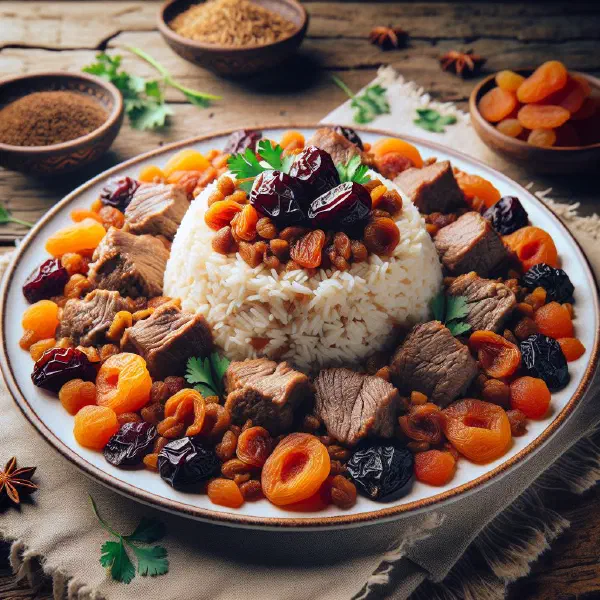
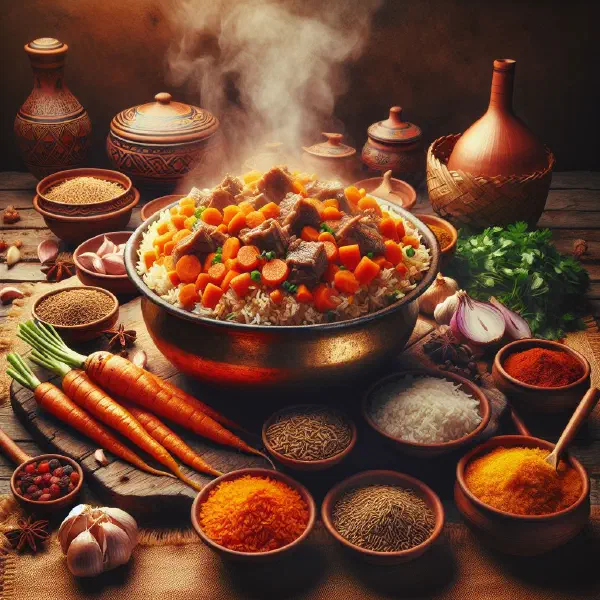
Discover Zaytun, a warming rice dish that sits right at the heart of Tajik home cooking. Tender pieces of meat, sweet grated carrots and a gentle hit of cumin and paprika turn a handful of humble ingredients into something genuinely memorable. It is festive enough for a celebration yet simple enough for a weeknight — and it brings a real slice of Tajik culture straight to your own kitchen.
About Zaytun
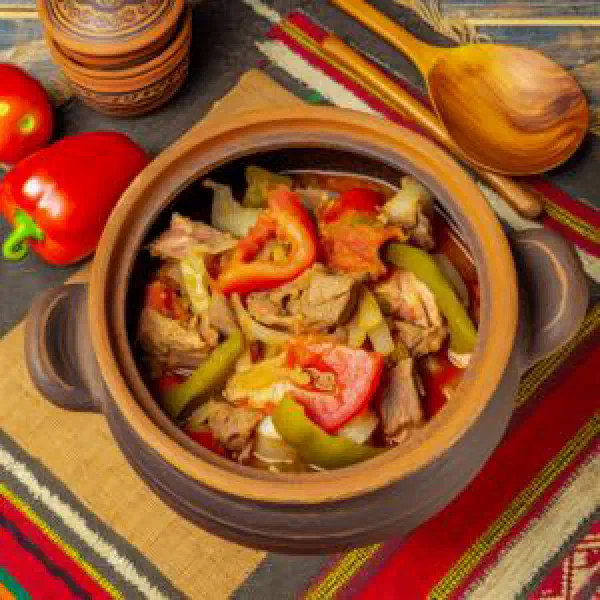
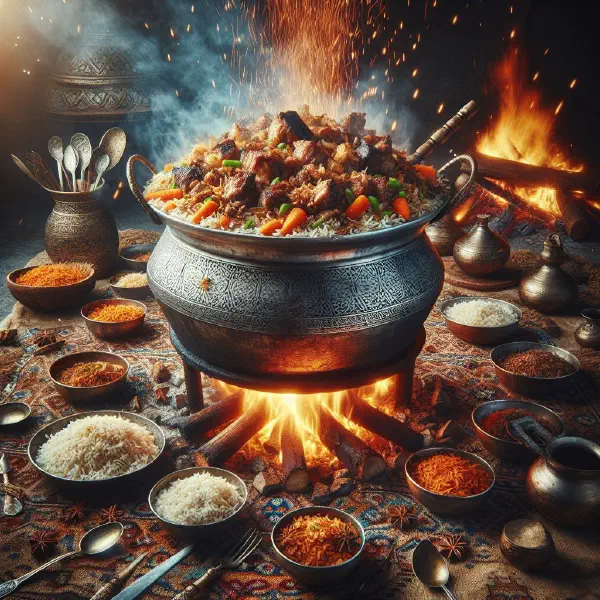
Zaytun is a traditional and thoroughly delicious national dish of Tajikistan, distinguished by its rich flavour and its reliance on fresh, honest ingredients. It is often served at special occasions and festivals, yet it has an equally secure place in everyday cooking. The combination of different spices and aromas makes this dish a real experience for the senses. Many people who visit Tajikistan come away enthusing about the variety and depth that Zaytun has to offer, much as they do about a good Plov.
Ingredients (serves 1–2)
- 200 g rice
- 400 ml vegetable or meat stock
- 1 onion, diced
- 100 g carrots, grated
- 100 g lamb or beef, diced
- 2 tablespoons olive oil
- 1 teaspoon cumin
- 1 teaspoon paprika powder
- Salt and pepper, to taste
- Fresh parsley, to garnish
Shopping for the ingredients
When shopping for the ingredients for Zaytun, choose fresh, good-quality produce to get the very best flavour. Most items are readily available in a well-stocked supermarket or at a weekly market. The meat in particular should be as fresh as possible, ideally from a butcher you trust. It is also worth looking out for organically grown spices, which intensify the aroma of the finished dish and are kinder to your health.
Preparing the dish
Before the actual cooking begins, it is important to prepare all the ingredients properly. That means washing and cutting the vegetables, dicing the meat and rinsing the rice thoroughly. These preparatory steps make the cooking process far more efficient and ensure that the flavours come through at their best. Of course, you are free to work your own variations into the preparation to adapt the dish to your taste.
Step-by-step instructions
- Heat the olive oil in a large pan and fry the onions until translucent.
- Add the diced meat and brown it lightly on all sides.
- Stir in the grated carrots and cook them briefly with the meat.
- Add the rice and stir everything together well.
- Pour in the stock and add the spices.
- Bring to the boil, then reduce the heat and simmer covered for about 20 minutes.
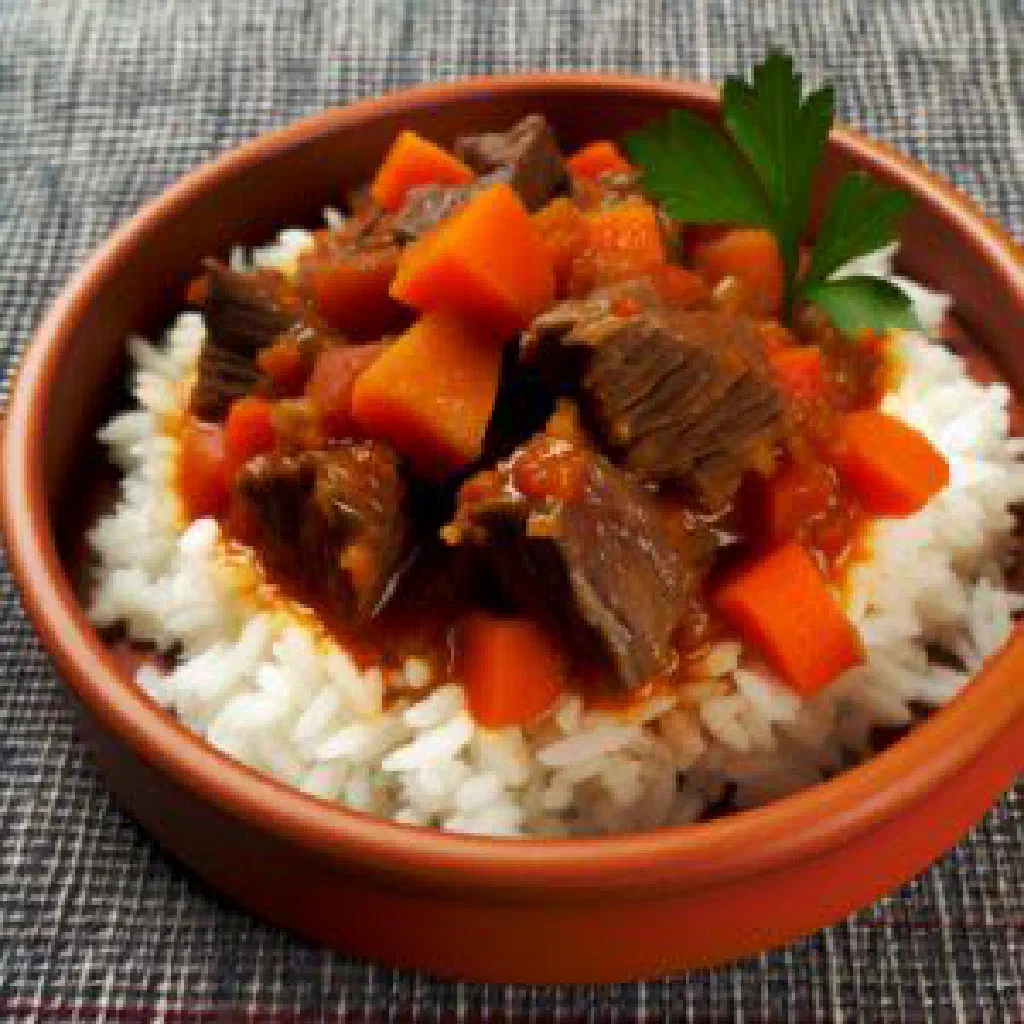
- Arrange on a plate and garnish with fresh parsley before serving.
Gluten-free / lactose-free version
For a gluten-free version it is important to make sure the rice you use is genuinely gluten-free. Rice is naturally free of gluten, but it is still worth checking that no gluten-containing additives have crept in. For a lactose-free result you can simply use plant-based oils and leave out cream or any other dairy products. That way Zaytun remains a pleasure for anyone living with an intolerance.
Tips for vegans and vegetarians
For vegans and vegetarians the recipe is very easy to adapt. Instead of meat, use a mixture of different vegetables or pulses, which give the dish plenty of body. You can also be more generous with the spices to keep the flavour intense. Feel free to experiment with different textures and tastes to create your own version of Zaytun — the same spirit of improvisation that shapes dishes such as Damlama.
More tips and tricks
To get the most out of your Zaytun, a few tips and tricks are worth taking to heart. Take care not to cook the rice for too long, as this quickly leads to a mushy consistency. Soaking the rice for a few hours before cooking shortens the cooking time and improves the texture noticeably. The right ratio of stock to rice also plays a decisive role in getting the dish exactly right.
Adapting the recipe to your taste
One of the great advantages of Zaytun is how readily it lends itself to adaptation. If you prefer a particular vegetable, or like spices that do not appear in the recipe, you can add or swap them without any trouble. This lets you shape Zaytun entirely to your own wishes and give your creativity free rein. Share your creations with friends and family, too, and try out the different variations together.
Ingredient substitutions
If you do not have every ingredient for Zaytun to hand, there are always alternatives. Carrots, for example, can be replaced with other root vegetables such as parsnips or turnips — the sort of swap that also works well in Zardak. The meat can be substituted with plant-based protein sources such as tofu or seitan for a tasty vegan version. Have a look through your store cupboard to see what you already have and be creative with your combinations.
Drink pairing ideas
A dish like Zaytun goes well with a range of drinks. A fresh, non-alcoholic pomegranate juice complements the flavours of the dish beautifully. For those who prefer something alcoholic, a light red wine is ideal for underlining the complexity of the seasoning. Traditional Tajik tea such as Shirin Chai is another excellent choice and deepens the cultural experience.
Serving and presentation ideas
The presentation of the dish matters, particularly on a festive occasion. Serve Zaytun on a large platter and garnish it with fresh parsley or other herbs. You can also decorate it with nuts or pomegranate seeds to add both colour and flavour. Attractive bowls and plates round off the culinary experience and make the table feel that bit more special.
A bit of history
The history of Zaytun is deeply rooted in the culture of Tajikistan. The dish has its origins in the nomadic way of life of the ancient civilisations that lived in this region. Every recipe varies according to area and the availability of ingredients, which makes Zaytun a personal and richly varied dish. Over the generations its preparation has continued to evolve, blending traditional techniques with newer influences — a pattern typical of Tajik cuisine.
More recipe ideas
Summary: Zaytun
To sum up, Zaytun is far more than just a dish; it is a part of Tajik culture and history. Because the ingredients and flavours can be adjusted so freely, it leaves plenty of room for creativity in the kitchen. Whether you serve it as a festive centrepiece or simply as an everyday meal, Zaytun is sure to win over every palate at the table. Give it a go yourself and let its delicious variety inspire you.