National Dish Tanzania: Bamia (Recipe)
In this article
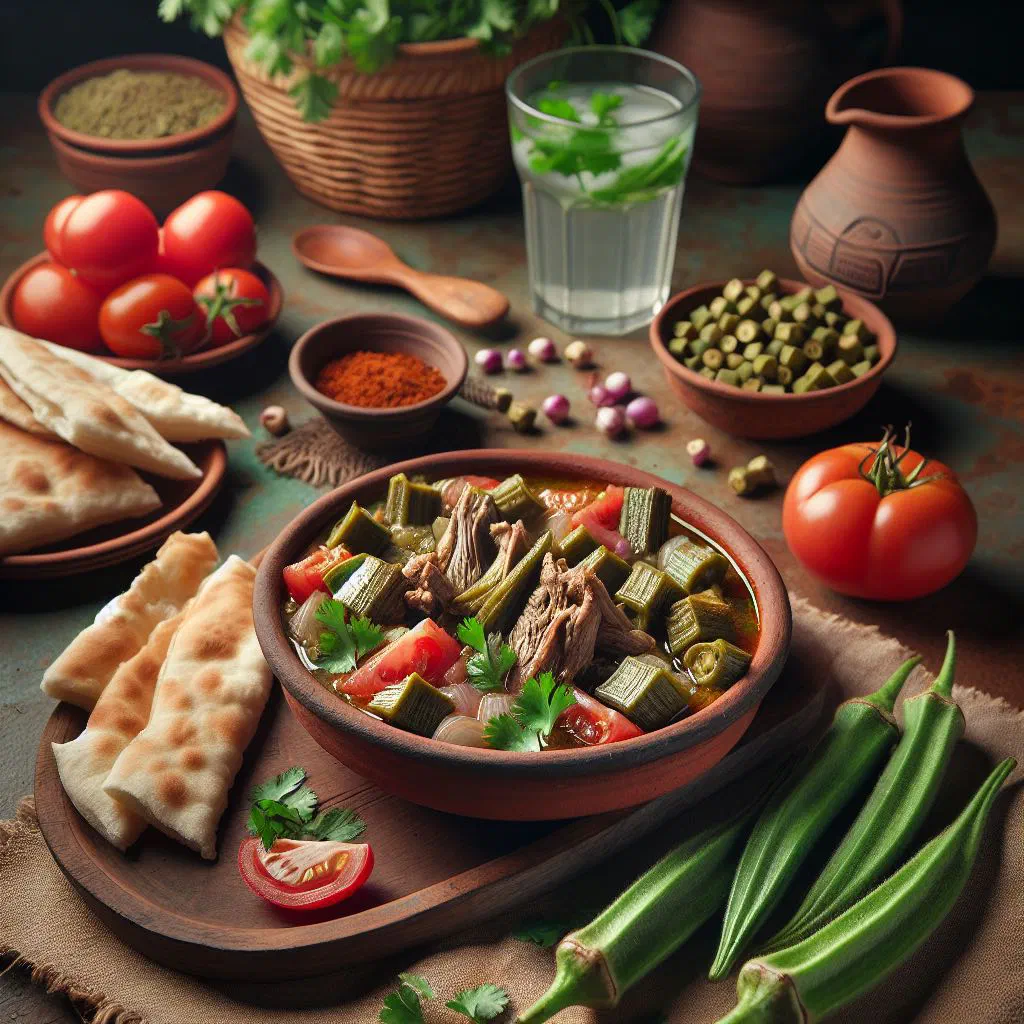
Meet Bamia, the okra stew that Tanzanians and visitors alike come back to again and again. Tender pods simmer with tomato, peppers and a warm blend of spices until the whole pot smells of the coast. It is naturally vegan and gluten-free, quick enough for a weeknight, and generous enough to share. Serve it with rice or a soft mound of ugali and you have a proper Tanzanian supper.
About Bamia
Bamia is the national dish of Tanzania and is enormously popular with locals and travellers alike. This hearty stew is built around okra, fresh vegetables and a broad range of aromatic spices that give it an unmistakable character. Okra, often called “ladyfinger”, lends the pot a pleasantly silky consistency along with its own gentle flavour. Traditionally Bamia is served with rice or with the local staple Ugali, which turns it into a thoroughly filling meal.
Ingredients (serves 1–2)
- 200g fresh okra
- 1 onion, diced
- 2 cloves of garlic, chopped
- 1 tomato, diced
- 1 pepper, finely chopped
- 2 tablespoons vegetable oil
- 1 teaspoon cumin
- 1 teaspoon coriander
- Salt and pepper to taste
- 400ml vegetable stock
Shopping for the ingredients
To make Bamia, it is worth heading to an Asian or African grocery, where you will usually find fresh okra. Many of the other ingredients, such as cumin and coriander, are readily available in an ordinary supermarket. Shopping at an international market often turns up further interesting ingredients you can work into your own version of the dish. Above all, focus on freshness and the quality of the ingredients, as these shape the flavour of the finished stew more than anything else.
Preparing the dish
Before you start cooking Bamia, it pays to prepare everything properly. Wash the okra thoroughly and trim the ends so the pods keep their best texture. Wash the onion, garlic, tomato and pepper as well, and cut them into small, even pieces. Good preparation means the cooking itself runs quickly and smoothly, leaving you free to enjoy the flavours of Tanzanian cooking.
Step-by-step instructions
- Heat the vegetable oil in a large pan or pot over a medium heat.
- Add the diced onion and chopped garlic and fry until golden brown.
- Stir in the diced tomato and the chopped pepper and cook everything for about 5 minutes.
- Add the okra, cumin, coriander, salt and pepper and mix well.
- Pour in the vegetable stock, bring to the boil and leave to simmer gently over a low heat for about 15 minutes.
- Check that the okra is tender, adjust the seasoning to taste and serve the Bamia hot with rice or ugali.
Gluten-free / lactose-free version
Bamia is naturally gluten-free and lactose-free, which makes it an excellent option for anyone with an intolerance. When using vegetable stock, simply check that you have chosen a gluten-free variety. It is also worth glancing at the labels on oils and spice blends for hidden sources of gluten.
Tips for vegans and vegetarians
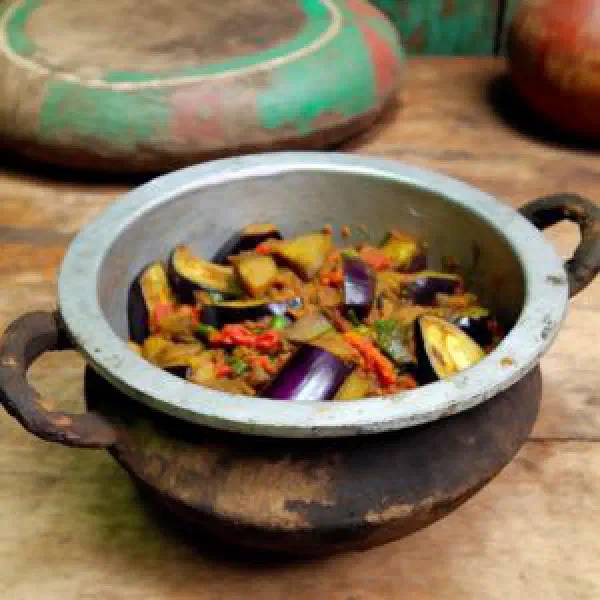
Bamia is ideal for vegans and vegetarians, since the dish contains no animal products at all. Apart from checking the stock, every ingredient can be used exactly as it is, because all of them are plant-based. You can happily vary things by adding extra vegetables such as courgette or aubergine, much as you would in a comforting Mchicha. This lifts both the flavour and the range of nutrients in your bowl.
More tips and tricks
A few additional spices such as chilli or ginger can be used to give Bamia an even bolder flavour. Toasting the spices briefly at the start of cooking brings out their aromas particularly well. Take care not to cook the okra for too long, or it will turn mushy. Keeping some bite and fresh colour in the pods makes the finished dish far more appetising.
Adapting the recipe to your taste
The Bamia recipe is easy to adapt to personal preference. If you like more heat, add fresh green chillies or change up the spice mix. Extra vegetables such as carrots or spinach can be worked in as well to make the stew more substantial. Experiment with your favourite ingredients and create a version of the dish that is entirely your own.
Ingredient substitutions
If you have no okra to hand, you can replace it with green beans or courgette. They will not give quite the same texture, but they sit happily alongside the rest of the ingredients. Instead of vegetable stock you can also use water, though the flavour will end up rather more restrained. Be creative and try different vegetables, much as cooks do with the bean-based Maharagwe Ya Nazi, until you find the combination you like best.
Drink pairing ideas
Bamia goes beautifully with African drinks, such as freshly pressed pineapple juice or a hibiscus tea steeped in hot water for a fruity lift. If you prefer something alcoholic, a light lager or a crisp white wine makes a good match. Keep the drinks on the gentle side so they do not overpower the aromas of the stew. The result is a meal that feels balanced from start to finish.
Serving and presentation ideas
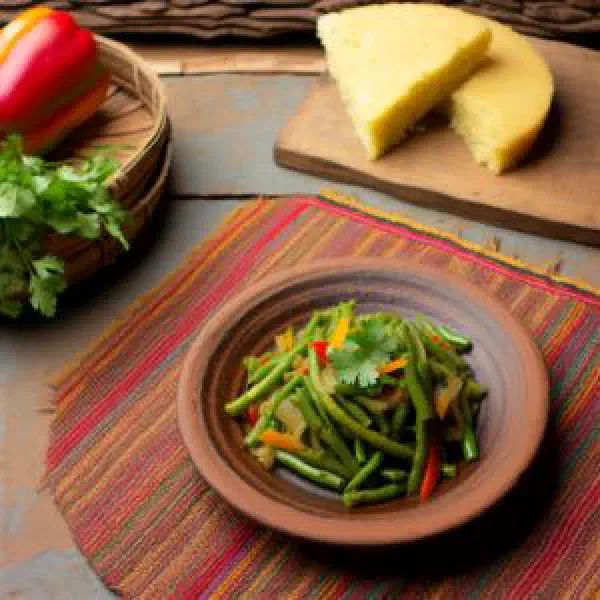
Decorate the plate with fresh herbs such as coriander or parsley, which add flavour as well as looking attractive. Serve the Bamia in traditional bowls or plates that echo the African style. An extra piece of ugali or a soft flatbread such as Chapati works well as a side. Presenting everything on a rustic wooden board gives the meal an authentic flourish.
A bit of history
Bamia has a long history and has been shaped by many cultures over the centuries. Okra originated in Africa and was carried by the Berber peoples along the Nile and onward to Tanzania. It is a dish often associated with family celebrations and traditions, and it counts as a cornerstone of Tanzanian cuisine, which is rich in flavours and regional influences. Bamia stands for the culinary traditions of Tanzania and for the warmth of Tanzanian hospitality.
More recipe ideas
Summary: Bamia
Bamia is a delicious and nourishing national dish of Tanzania that will win over your taste buds. Made with a range of fresh ingredients and fragrant spices, it suits the whole family perfectly. Completely gluten-free and vegan, it is also easy to tailor to your own preferences. Bring a piece of Tanzania into your kitchen and enjoy the hearty variety of this time-honoured stew.