National Dish Tanzania: Biryani (Recipe)
In this article
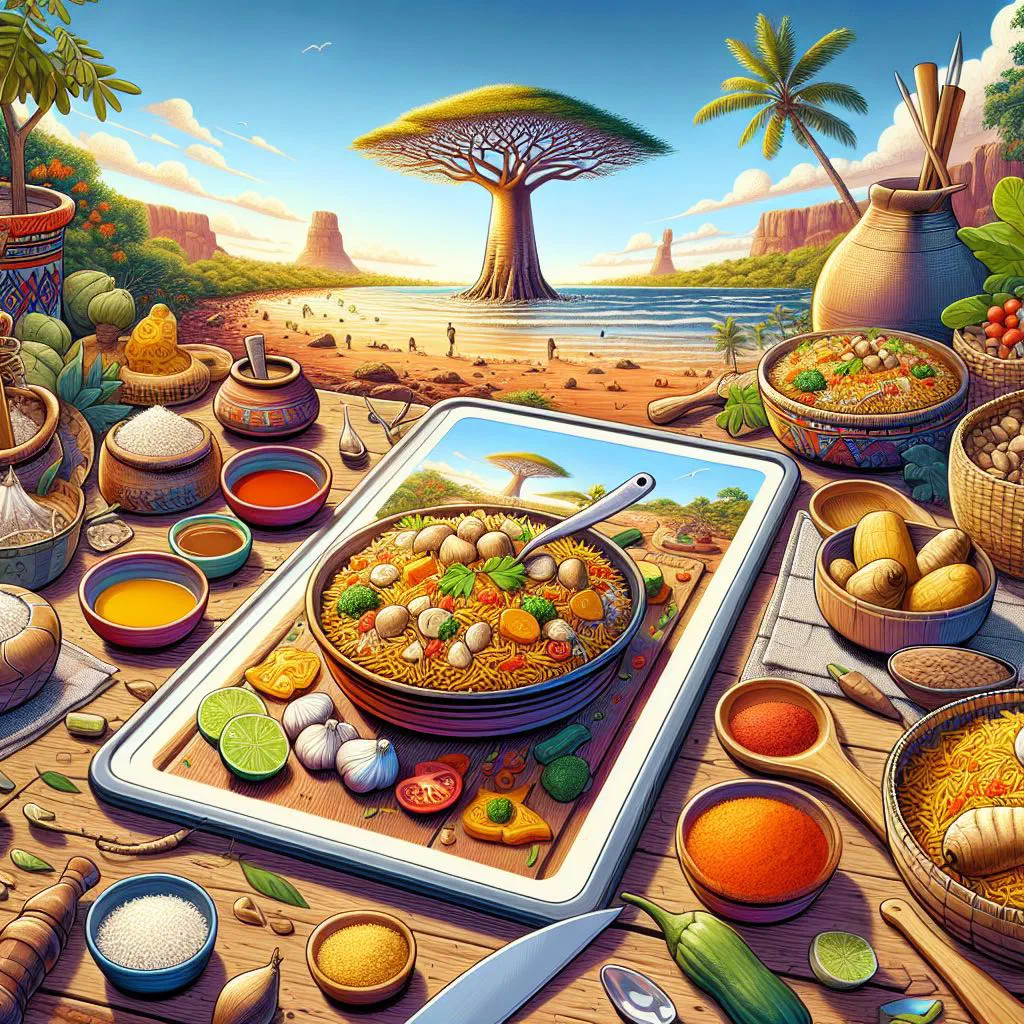
Discover Biryani, Tanzania’s fragrant national dish. Layers of tender meat, warming spices and fluffy long-grain rice come together in a pot that fills the whole kitchen with aroma. It is a dish shaped by centuries of trade along the Swahili coast, where Indian and Arabian cooking met East African produce. Bring a little of that history to your own table with this approachable recipe.
About Biryani
Biryani is a traditional national dish of Tanzania that is winning fans well beyond the region. This distinctive rice dish appears in countless variations and is celebrated for its aromatic spices and the pairing of tender meat with fresh vegetables. Especially characteristic is the use of long-grain rice, which soaks up flavour beautifully and gives every biryani its own signature. The blend of Indian and Arabian influences reflects the rich culinary history of Tanzania, a country shaped by many cultures, much as the closely related Pilau is.
Ingredients (serves 1–2)
- 200 g basmati rice
- 250 g chicken breast, diced
- 1 onion, finely chopped
- 2 cloves of garlic, chopped
- 1 piece of ginger, grated (about 2 cm)
- 1 tsp cumin
- 1 tsp ground coriander
- 1 tsp curry powder
- 2 tsp garam masala
- 500 ml chicken stock
- 100 g peas (fresh or frozen)
- 2 tbsp vegetable oil or ghee
- Salt and pepper to taste
- Fresh coriander, to garnish
Shopping for the ingredients
When shopping for biryani, look for high-quality, fresh produce. Local markets are the best place to find fresh vegetables and whole spices. Basmati rice is widely available in supermarkets and Asian grocers, and it plays a central role in the dish’s unmistakable flavour. It is also worth making the stock yourself to deepen the flavour and make the finished dish that much better.
Preparing the dish
Preparation is the key to a perfect biryani. Start by rinsing the basmati rice thoroughly to wash away excess starch and stop the grains clumping during cooking. Then leave the rice to soak in cold water so it stays light and separate once cooked. Marinate the meat as well, tossing it in a bowl with the spices and a little yoghurt to intensify the flavour.
Step-by-step instructions
- Heat the oil in a large pan and fry the chopped onion until golden brown.
- Add the garlic, ginger and spices and toast briefly to release their aromas.
- Add the marinated chicken to the pan and fry until cooked through.
- Stir in the soaked rice, pour over the stock and bring everything to the boil.
- Reduce the heat, cover the pan and let the biryani simmer gently for 20 minutes.
- Once cooked, fold in the peas and mix everything together well.
- Serve the biryani hot, garnished with freshly chopped coriander.
Gluten-free / lactose-free version
Biryani is easy to make gluten-free and lactose-free. Simply check that the spices and stock you use contain no added ingredients carrying gluten or lactose. Reach for a lactose-free yoghurt alternative for the marinade, or leave the yoghurt out altogether. The main components, rice and meat, are naturally gluten-free and lactose-free, which makes biryani a reliable choice for these dietary needs.
Tips for vegans and vegetarians
Biryani adapts wonderfully for vegans and vegetarians. Instead of chicken, use mixed vegetables, tofu or chickpeas to keep the dish varied and nourishing, much like the hearty Dengu. A generous hand with the spices ensures the plant-based versions are just as full of flavour. Experiment with cauliflower, carrots and peppers to create a taste all your own.
More tips and tricks
To get the best out of your biryani, pay close attention to cooking times and temperatures. Do not let the rice cook too long or it will turn mushy. A good technique is to steam the rice briefly after cooking, which helps it reach the perfect consistency. When plating up, scatter over some crisp fried onions or nuts to lift both the flavour and the texture.
Adapting the recipe to your taste
The beauty of biryani is how readily it bends to personal preference. Vary the spices to suit your own palate and be generous or sparing with the individual components as you like. There are no limits with the vegetables either: from green beans to potatoes, almost anything can find its way into the pot. For a hotter result, add extra chillies or a punchier spice blend.
Ingredient substitutions
There are plenty of alternatives to the usual biryani ingredients. If basmati rice is not to hand, other long-grain varieties with similar properties will do the job. The meat can be swapped for fish or prawns to take the dish in a completely new direction, as in the coastal Biryani Ya Samaki. With the spices you can be as creative as you like, building your own combinations to tailor the dish further.
Drink pairing ideas
The perfect partner for a hearty biryani is a refreshing drink. A classic mango lassi works beautifully and rounds out the spices, while a lightly chilled green tea or a fruity cocktail also complements the food well. For an alcohol-free option, mint-infused lemonades are ideal, as is a cup of sweet, milky Chai Ya Maziwa.
Serving and presentation ideas
Presentation matters a great deal with biryani. Serve the dish in a large, attractive bowl and garnish it with fresh coriander and toasted nuts. Colourful plates and bowls help show off the dish at its best. A bowl of yoghurt or raita alongside adds extra freshness and gives the whole spread that little something more.
A bit of history
Biryani has its roots in Indian and Arabian cooking, yet its story is closely tied to Tanzania too. The British colonial period and the old trade routes brought the cuisines of different cultures together along the coast. That mingling of influences produced a range of biryani styles that vary from region to region. Today biryani is not only a much-loved meal but a symbol of the diverse culinary identity of Tanzanian cuisine.
More recipe ideas
Summary: Biryani
Biryani is a versatile and delicious dish that appeals to the palate while reflecting the cultural richness of Tanzania. With a wide choice of adaptable ingredients, it can be tuned precisely to individual tastes. Biryani leaves plenty of room for creativity in the kitchen. Enjoy the flavours and the history that sit on every plate, a real feast for all the senses.