National Dish Tanzania: Chukuchuku (Recipe)
In this article
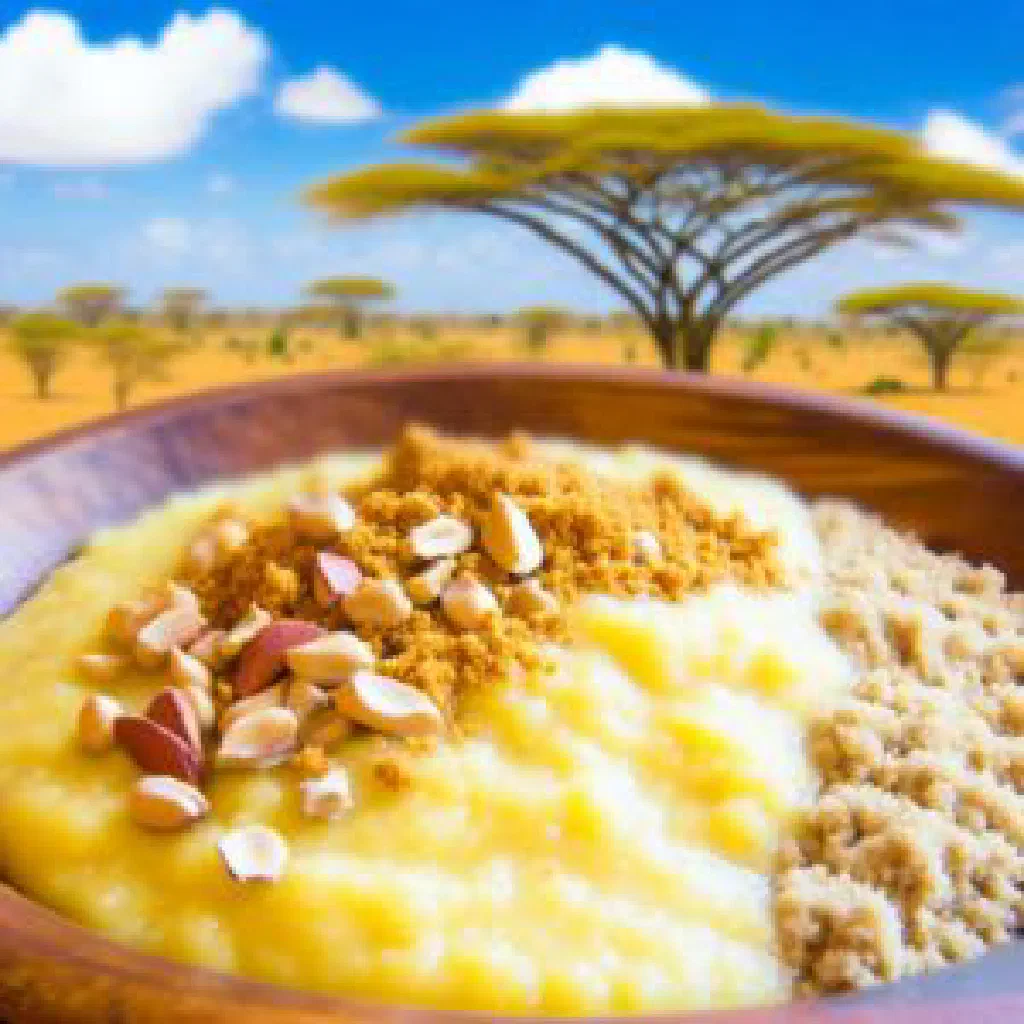
Meet Chukuchuku, a warming Tanzanian classic that proves how much flavour a handful of humble ingredients can deliver. Roasted peanuts and maize flour come together into a thick, nutty, comforting bowlful that has fed families along the East African coast for generations. It is quick, filling and endlessly adaptable, and it carries the unmistakable warmth of Tanzanian hospitality straight into your kitchen.
About Chukuchuku
Chukuchuku is a highlight of Tanzanian cooking, winning people over with its rich aromas and its clever combination of simple yet deeply flavourful ingredients. The dish is usually built on peanuts and maize, two staples that play an essential role across many African food cultures. The harmony of flavours and the satisfying texture have made chukuchuku a favourite in home kitchens and restaurants alike. It reflects the sheer variety of Tanzanian food culture and appeals to seasoned food lovers and curious first-timers in equal measure.
Ingredients (serves 1–2)
- 100g peanuts
- 200g maize flour
- 500ml water
- 1 teaspoon salt
- 1 teaspoon pepper (optional)
- 1 tablespoon vegetable oil
Shopping for the ingredients
When shopping for chukuchuku it is well worth paying attention to quality. Fresh peanuts and a good maize flour make all the difference to the finished flavour. Both are usually easy to find in African or Asian grocery shops, and they can of course be ordered online too, a practical alternative if you want to gather everything you need in one go.
Preparing the dish
Preparing chukuchuku takes a little planning, but the process itself is refreshingly straightforward. Start by roasting the peanuts to bring out their full flavour: toast them gently in a dry pan, without oil, until they turn golden brown. Then grind them coarsely. This helps bind the dish later on and lends it an appealing extra texture.
Step-by-step instructions
- Put the roasted, coarsely ground peanuts into a pan with the water.
- Bring the water to the boil and add the maize flour, stirring constantly.
- Season with salt and let everything simmer for around 10–15 minutes, until it reaches a thick consistency.
- It is not essential, but a little pepper adds a pleasant extra note if you like.
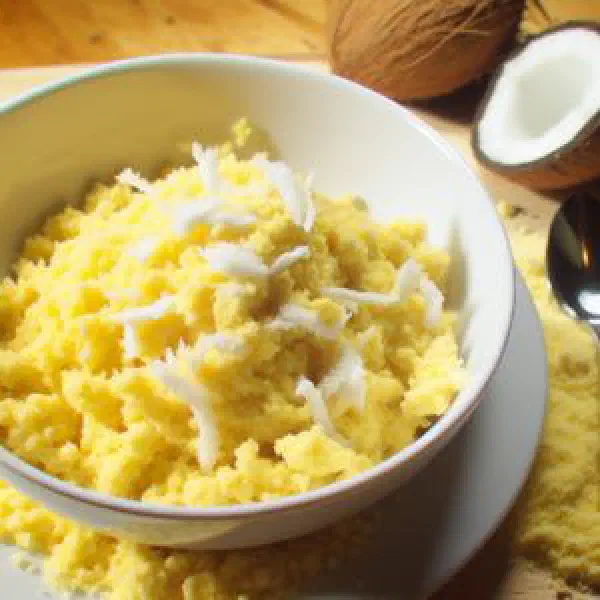
- Tip the finished dish into a bowl and finish with a drizzle of vegetable oil.
Gluten-free / lactose-free version
For a gluten-free and lactose-free chukuchuku, the main thing to check is that your maize flour really is free from gluten. Maize flour is naturally gluten-free as a rule, but buying a certified product removes any doubt, so you can enjoy the dish without a second thought. No milk or dairy is involved at any stage either, which makes it an ideal choice for anyone sensitive to lactose.
Tips for vegans and vegetarians
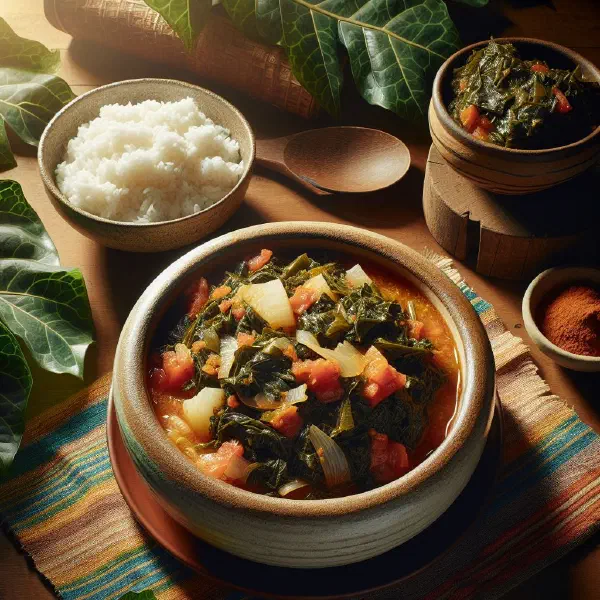
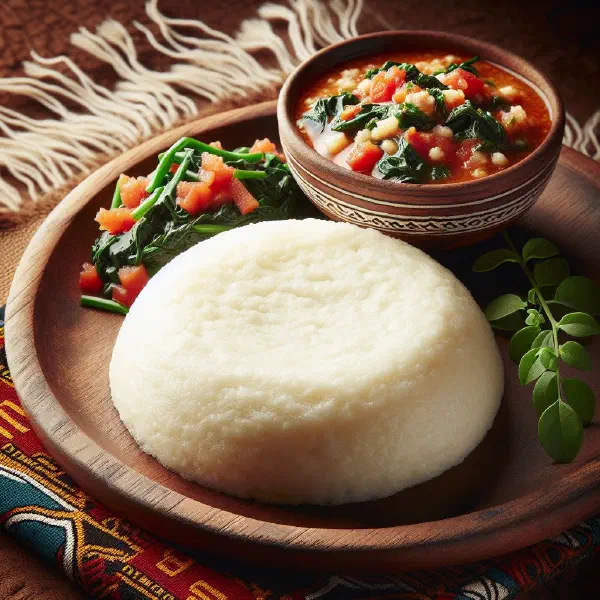
The chukuchuku recipe is naturally vegan and vegetarian. That said, you can easily enrich it with extra plant-based sides to boost its nutritional value. A crisp vegetable salad or a plate of fried vegetables works beautifully alongside it, and a fresh tomato salad such as Kachumbari makes an especially good match. Adding new spices or herbs is another simple way to broaden the flavour.
More tips and tricks
For a truly personal touch, feel free to bring other spices and ingredients into your chukuchuku. Different herbs work well, and a little heat from chilli or fresh peppers is easy to incorporate. Keep an eye on the texture as you go so the dish does not turn too runny. A willingness to experiment can turn this traditionally inspired recipe into something entirely your own.
Adapting the recipe to your taste
If there are ingredients you do not care for or simply do not have to hand, chukuchuku is flexible enough to accommodate you. The roasted peanuts, for instance, can be swapped for other nuts or even seeds. Just remember to adjust the amount of water and the cooking time so you still reach the consistency you want. Everyone should be able to create their own version of this dish.
Ingredient substitutions
Not every ingredient for chukuchuku is easy to find everywhere, so it helps to keep a few alternatives in mind. Peanuts can be replaced with cashews or almonds, the same nutty richness that carries a dish like Karanga Za Nazi. Instead of maize flour you might reach for rice flour, which makes the dish equally delicious. Substitutions like these introduce fresh, interesting flavours and make the recipe far more versatile.
Drink pairing ideas
Lightly sweetened drinks and traditional African teas are a natural fit for chukuchuku. A chilled hibiscus tea or a fruity juice makes a refreshing counterpoint to this savoury bowl. Drinks like these support the flavours of the food nicely and help to soften any heat, should you have been experimenting with spices.
Serving and presentation ideas
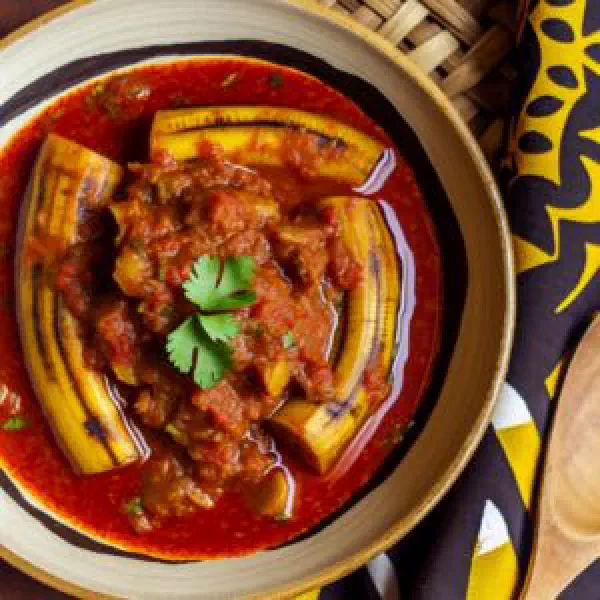
To present chukuchuku at its best, serve it in an attractive bowl or on a decorative plate. Garnish it with fresh herbs or colourful vegetables to lift it visually. Brightly patterned crockery can enhance the whole experience, and decorative touches such as small tealights or fresh flowers alongside the dish help create a warm, welcoming atmosphere at the table.
A bit of history
The roots of chukuchuku reach deep into Tanzanian tradition and food culture. It is not merely a meal but a symbol of hospitality and community. The method is often handed down from one generation to the next, which makes it an important part of family and cultural identity. By drawing on locally available ingredients, chukuchuku reflects the rich biodiversity and the varied farming traditions that define Tanzanian cuisine.
More recipe ideas
Summary: Chukuchuku
In short, chukuchuku is a delicious and versatile dish that pleases the palate while carrying real cultural depth. Its simple preparation and the many ways it can be adapted make it an ideal starting point for anyone keen to explore Tanzanian cooking. It shows how the most modest ingredients can produce something tasty, nourishing and lasting enough to be passed down through generations. Give chukuchuku a try and discover the true taste of Tanzania.