National Dish Tanzania: Kachumbari (Recipe)
In this article
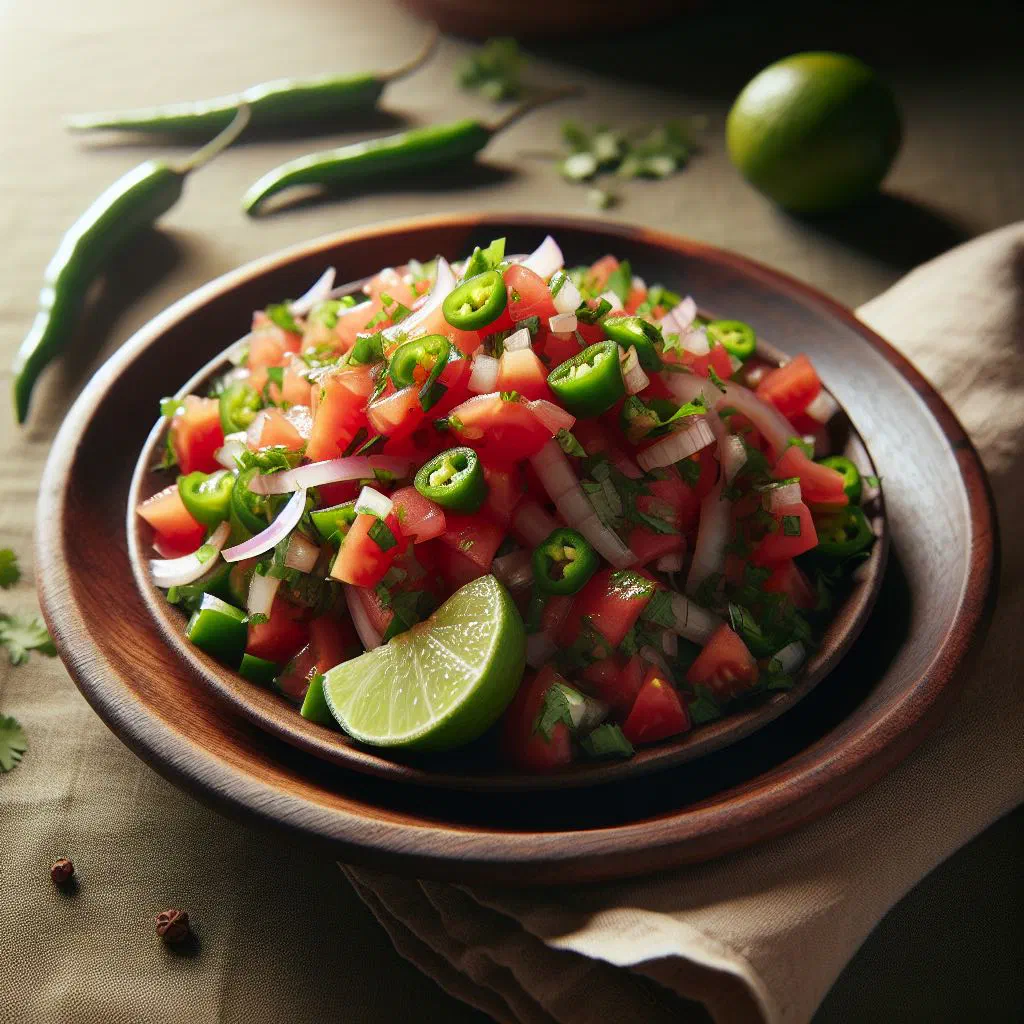
Discover Kachumbari, the bright, crunchy salad that turns up on tables all across Tanzania. Diced tomatoes, sharp onions and sweet peppers are tossed with lime juice and fresh herbs for a side dish that cuts straight through the richness of grilled meat. It takes minutes to make, needs no cooking at all, and brings the clean, sunlit flavours of East Africa to your plate.
About Kachumbari
Kachumbari is a traditional fresh salad from Tanzania, celebrated above all for its crisp texture and lively flavours. It is most often served as an accompaniment to main courses and is all but indispensable at festive occasions. With its combination of tomatoes, onions and peppers, kachumbari brings colour and freshness to the table. Consider it an invitation to a tour into the tropical corners of East Africa, and the perfect partner to a platter of Nyama Choma.
Ingredients (serves 1–2)
- 2 large ripe tomatoes
- 1 small onion
- 1 green pepper
- 1–2 chillies (to taste)
- Fresh coriander or parsley
- Juice of 1 lime
- Salt and pepper to taste
Shopping for the ingredients
The success of kachumbari rests almost entirely on choosing fresh produce. Visit a local market where the tomatoes and peppers are usually far fresher than those on a supermarket shelf. Look for tomatoes that feel firm and show a bright, even colour. That is your best guarantee of flavour. Keep an eye out for good fresh coriander or parsley too, as these herbs give the salad its extra aromatic lift.
Preparing the dish
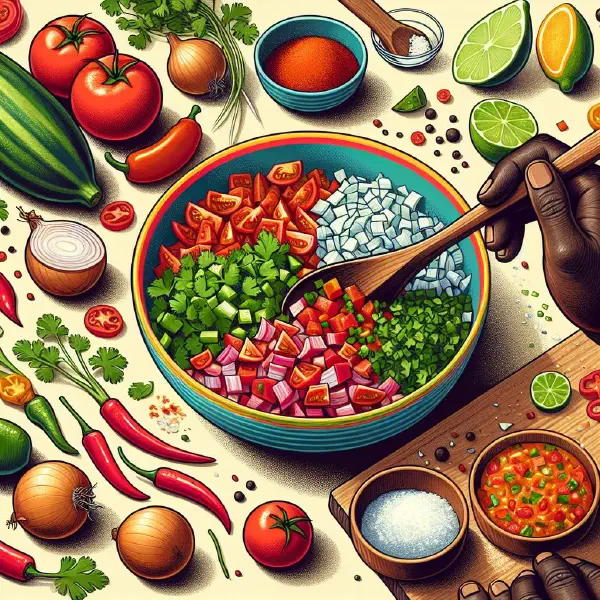
Preparing kachumbari is straightforward and takes only a handful of steps. Begin by washing all the vegetables thoroughly. Cut the ripe tomatoes, the onion and the pepper into small, even dice so everything mixes together neatly. The chillies can be deseeded and finely chopped depending on how much heat you want. Do not forget to chop the fresh coriander or parsley finely, which makes the salad noticeably more fragrant.
Step-by-step instructions
- Dice the tomatoes, onion and pepper.
- Add chillies to taste and chop them finely as well.
- Tip all the chopped ingredients into a large bowl.
- Add the fresh coriander or parsley.
- Season with the lime juice, salt and pepper, and mix well.
- Leave the kachumbari to stand for a few minutes so the flavours can develop.
Gluten-free / lactose-free version
The kachumbari recipe is naturally gluten-free and lactose-free, as it consists entirely of fresh vegetables. That makes it an excellent choice for anyone with food intolerances. To keep the salad as light as possible, you can leave out the oils or vinegars that sometimes appear in other versions. Trust the natural flavours of the ingredients. They are more than enough for a delicious result.
Tips for vegans and vegetarians
Kachumbari is by its very nature an ideal dish for vegans and vegetarians. It delivers a wealth of vitamins and minerals from fresh vegetables, which makes it a genuinely nourishing choice. To make the salad more substantial still, add avocado or cucumber. These bring more flavour and healthy fats and extra nutrients, much as the coconut does in Maharagwe Ya Nazi.
More tips and tricks
To get the very best out of your kachumbari, work with the freshest ingredients you can lay hands on. The right balance of citrus juice, salt and pepper is what allows the flavours to open up properly. Experiment with different herbs to vary the character of the salad. A dash of olive oil can add an interesting note as well, without compromising the dish’s essential simplicity.
Adapting the recipe to your taste
Kachumbari is a versatile dish that adapts easily to different preferences. Feel free to add extra ingredients such as mango, cucumber or even carrot to refine the salad to your liking. The balance between sharp and salty can be adjusted too, so it suits the tastes of your guests. Whatever variation you choose, aim for a harmonious whole in which no single flavour shouts over the others.
Ingredient substitutions
If some of the ingredients are hard to come by, there are ready alternatives for making kachumbari. Lemon juice can stand in for lime juice, for example, giving a similar fresh note. If you would rather avoid chillies altogether, a mild spice will still give the salad an interesting edge. Let personal taste and availability guide your choices. That is how you arrive at the version that works best for you.
Drink pairing ideas
Plenty of refreshing drinks complement the flavours of kachumbari. A classic citrus cooler or a fruity cocktail with lime makes a wonderful match. Herbal tea or iced water with mint can also enrich the experience, as can a milky spiced Chai Ya Maziwa if you prefer something warm. Serve the drinks in a way that echoes the fresh, bright character of the salad.
Serving and presentation ideas
Presentation can lift the whole kachumbari experience considerably. Serve the salad in a generous bowl or on a handsome platter so the colours and textures show to full advantage. Decorate it with extra fresh herbs or a final squeeze of lime juice for an appetising finish. An attractive presentation builds anticipation and turns a simple side into a genuine highlight on any table.
A bit of history
Kachumbari has its roots in the traditional kitchens of East Africa and is especially prized in Tanzania and neighbouring Kenya. The salad is a symbol of fresh, local ingredients and of the eating habits common across the region. It was originally served most often as a side to stews or grilled dishes, cutting through and complementing their hearty flavours, the same role it plays beside a mound of Ugali. Today it is not only a much-loved national dish but a valued part of Tanzanian cuisine on the street as well.
More recipe ideas
Summary: Kachumbari
In short, Kachumbari is a refreshing, healthy dish that tastes wonderful and could hardly be simpler to prepare. Its colourful array of fresh ingredients offers a perfect way to experience the flavours of East Africa. This salad brings life to whatever it accompanies. Let the fresh ingredients do the work and enjoy everything Tanzania has to offer.