National Dish Tanzania: Kaimati (Recipe)
In this article
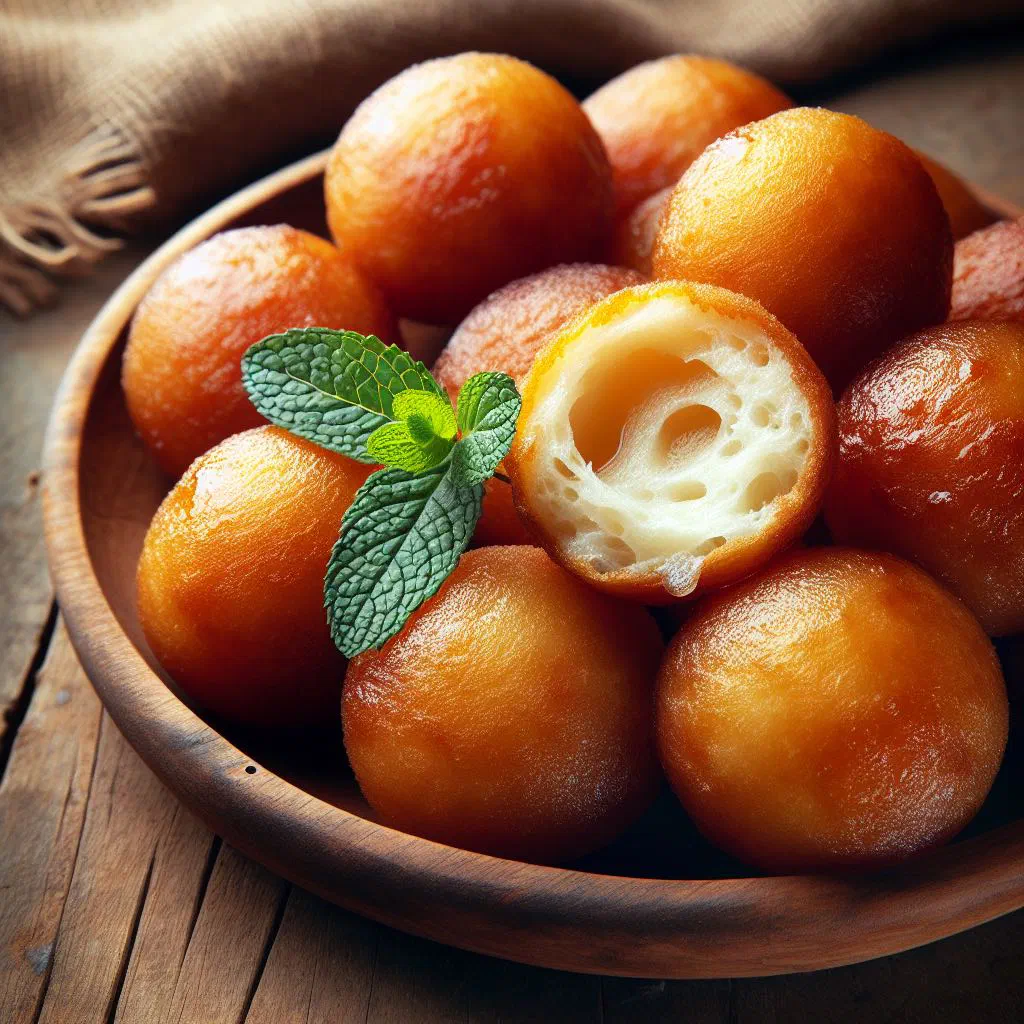
Meet Kaimati, one of Tanzania’s most beloved sweet treats, little golden dumplings that crackle on the outside and stay soft and yielding within. Perfumed with coconut and lightly sweetened, they turn up wherever there is something to celebrate, from Zanzibari street stalls to family gatherings on the mainland. They are simple to make, endlessly moreish, and they carry the warmth of the Swahili coast straight into your kitchen.
About Kaimati
Kaimati is a much-loved national dish from Tanzania, famous for its very good little fried rice balls. These small delicacies are delicious and an important part of the country’s cultural traditions. They are often served during festivities and special occasions and are equally popular with young and old. The contrast between the crisp outer shell and the tender, juicy centre is what makes them such a singular pleasure.
Ingredients (serves 1–2)
- 1 cup rice
- 1 cup desiccated coconut
- 1/2 cup sugar
- 1/2 cup water
- 1/2 teaspoon yeast
- A pinch of salt
- Oil, for deep-frying
Shopping for the ingredients
To make kaimati well, it pays to track down the right ingredients. Most of what you need is available in any supermarket or grocery shop. Fresh grated coconut and good-quality rice can often be found in specialist Asian or African stores, which is also where you will spot the ingredients for many other coastal favourites. Look for produce that is as fresh as possible. It makes a noticeable difference to the finished flavour.
Preparing the dish
Getting ready to make kaimati is straightforward and undemanding. Begin with the rice: rinse it thoroughly, then cook it until soft. While the rice simmers, lay out the remaining ingredients and start on the batter. Working this way saves time and helps everything come together smoothly, much as it does when you prepare a batch of Mandazi.
Step-by-step instructions
- Tip the cooked rice into a bowl and mix it thoroughly with the water, sugar and yeast.
- Leave the mixture to rest for around 30 minutes so it can rise a little.
- Fold in the desiccated coconut and stir until evenly combined.
- Heat the oil in a pan and shape small balls from the mixture.
- Fry the balls in batches until golden brown, then drain them on kitchen paper.
Gluten-free / lactose-free version
If you cook gluten-free and lactose-free, kaimati is an excellent choice. The main ingredient, rice, is naturally free from gluten. Simply make sure that your coconut and any other components are lactose-free, so the dish is safe for anyone with intolerances. You can enjoy this treat without a second thought while exploring the flavours of Tanzania.
Tips for vegans and vegetarians
Kaimati is naturally vegan, since no animal products are involved at all. For a fully plant-based version, check that your coconut and other ingredients come from sustainable sources. To give the dumplings even more character, add warm spices such as cinnamon or vanilla, both of which sit beautifully alongside the coconut. Serve them with fresh fruit for a bright, juicy contrast.
More tips and tricks
To make kaimati as good as it can be, take care that the mixture is not too loose. A wet batter produces soggy balls that fall apart in the pan. It also helps to test the oil temperature before you start frying, getting the heat right is what gives you that perfect, crisp shell. And do not hesitate to play with different spices and aromatics until you find your favourite combination.
Adapting the recipe to your taste
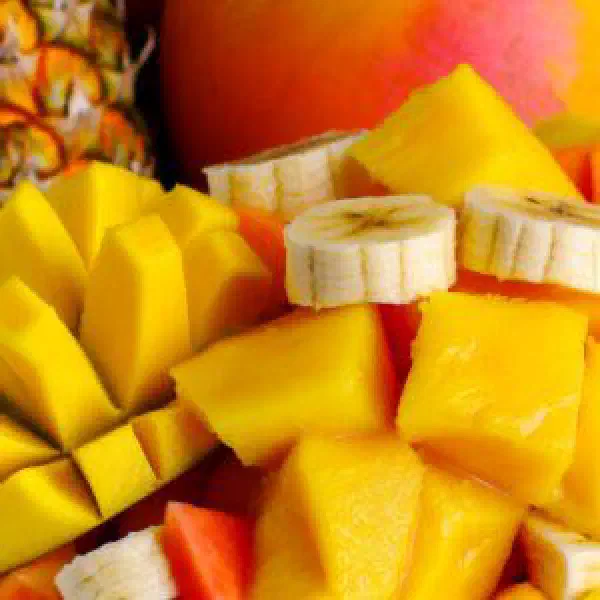
Kaimati is easy to tailor to personal preference. Add fruity fillings such as mango or banana for an extra burst of flavour, or fold in chopped nuts for a more interesting texture. You can also vary the sweetness by reaching for alternative sweeteners, dialling it up or down until it suits you exactly. The same spirit of improvisation runs through sweets like Kashata.
Ingredient substitutions
If you have no desiccated coconut to hand, almond flour or coarsely ground oats make a reasonable stand-in. For sweetness, honey or agave syrup are excellent choices if you prefer something less refined than white sugar. Baking powder can replace the yeast to make the balls rise, although the texture will be a little different. Experiment with these alternatives until you land on the perfect kaimati for your taste.
Drink pairing ideas
Plenty of drinks work well with kaimati. A refreshing fruit juice, mango or pineapple, say, complements the sweet notes perfectly. A cup of traditional tea such as Chai Ya Maziwa is another wonderful companion and deepens the cultural experience. For something more festive, try pairing the dumplings with a lively cocktail.
Serving and presentation ideas
The look of kaimati can be lifted enormously with fresh herbs and colourful fruit. Serve the balls on a handsome plate and garnish with mint leaves or a scattering of coconut for visual appeal. One attractive approach is to arrange them in small bowls and drizzle a glossy syrup over the top. Serve them warm and freshly fried for the very best result.
A bit of history
Kaimati has a long tradition in Tanzanian cuisine and is closely associated with celebrations and festive occasions. Once made lovingly by mothers and grandmothers, the dish has become a symbol of community and belonging. In many households it is not merely eaten but shared alongside stories and music. It reflects the wonderful variety of flavours and ingredients found across Tanzanian cooking, from the coast to the highlands.
More recipe ideas
Summary: Kaimati
Kaimati is a genuine Tanzanian delicacy, winning people over with its unique combination of flavours and textures. With a crisp outer shell and a soft, juicy centre, these little dumplings are a treat for all the senses. They are guaranteed to bring pleasure to the table. Let their simplicity and flavour convince you, and enjoy this Tanzanian classic in your own home.