National Dish Tanzania: Kiburu (Recipe)
In this article
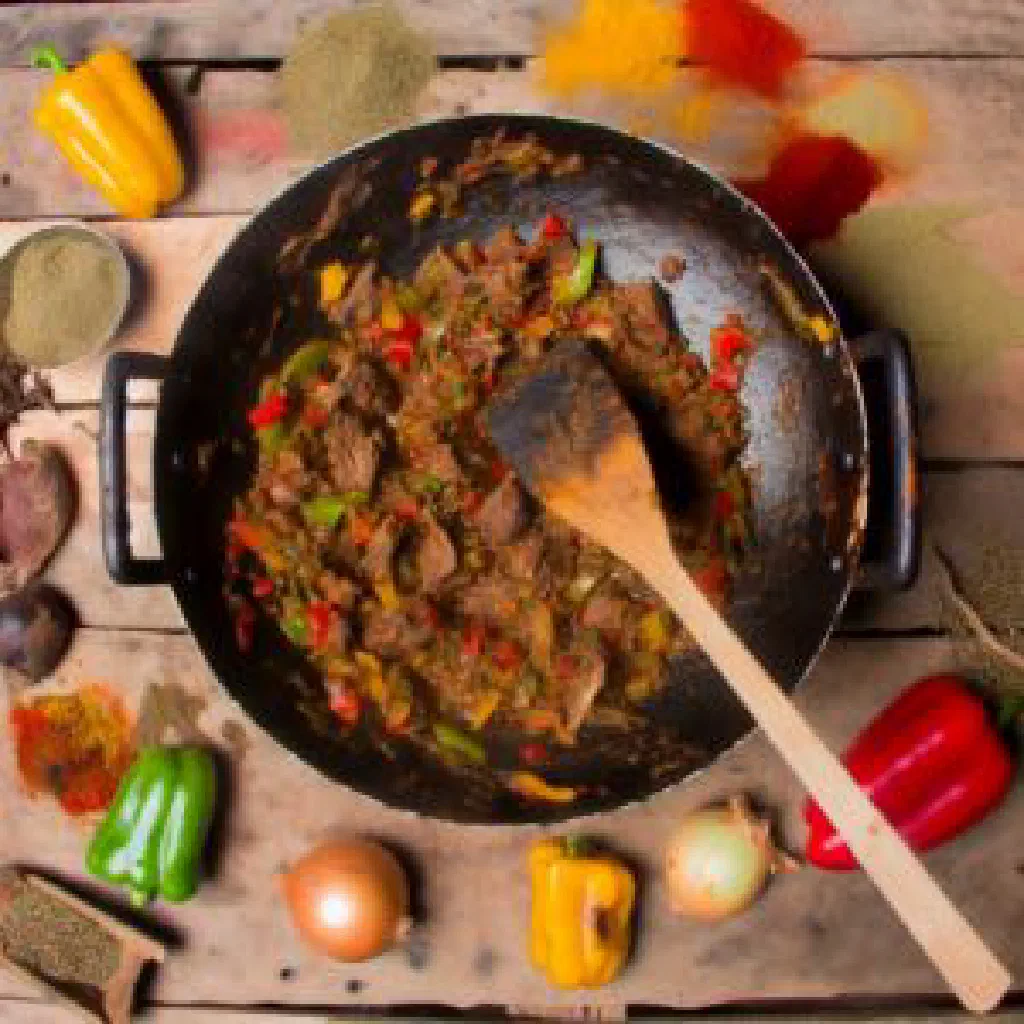
Meet Kiburu, a warming Tanzanian one-pot dish that brings meat, vegetables and fragrant spices together in a single simmering pan. It is the kind of food that fills a kitchen with a rich, savoury aroma long before anyone sits down to eat, generous, unfussy and made for sharing. This East African classic delivers big flavour without demanding complicated technique.
About Kiburu
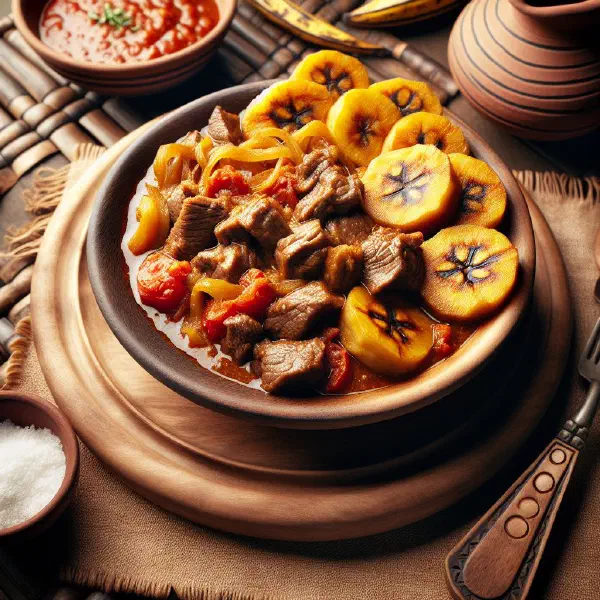
Kiburu is a traditional dish from Tanzania that gathers up the tastes and aromas of the African continent in one pan. It is usually built from a hearty combination of meat, vegetables and spices, which cook down together until each element complements the next. The breadth of ingredients reflects the many cultural influences found across Tanzania, from the coast to the highlands. The dish suits special occasions and family meals alike, moments when people come together to share stories and keep traditions alive.
Ingredients (serves 1–2)
- 250 g beef or chicken
- 1 large onion
- 2 tomatoes
- 1 green pepper
- 2 carrots
- 1 teaspoon ginger
- 2 garlic cloves
- Salt and pepper to taste
- 1 teaspoon paprika
- Oil for frying
Shopping for the ingredients
When making kiburu, choosing fresh ingredients matters if you want the best possible flavour. Head to a local market or a supermarket with a good selection of fresh meat and vegetables. Markets of this kind are also often the easiest place to track down the particular spices that give the dish its authentic character. Keep an eye on use-by dates and provenance so you can be confident of both freshness and quality.
Preparing the dish
Good preparation is what allows the flavours in Kiburu to come through in every mouthful. Start by cutting the meat into small pieces and letting it marinate in a bowl with the spices. While that sits, wash, peel and dice the vegetables so they are ready to go into the pan. These small steps make sure everything cooks evenly and that the dish develops its full depth of flavour.
Step-by-step instructions
- Heat the oil in a large pan over a medium heat.
- Add the diced onion and fry until golden brown.
- Add the marinated meat and brown it well on all sides.
- Stir in the chopped vegetables, ginger and garlic and mix everything thoroughly.
- Pour in a little water so the dish can simmer and the flavours can mingle.
- Cover the pan and leave to simmer for around 30 minutes.
- Season to taste with salt, pepper and any further spices you like.
- Serve the kiburu hot, with rice or a side of your choice.
Gluten-free / lactose-free version
Kiburu is naturally a dish that can be made without any gluten-containing ingredients, so it is easily gluten-free if you check that your spices and oils are certified free from cross-contamination. There is typically nothing in the recipe that contains lactose either, which makes it a fine option for anyone who is lactose intolerant. That means most people can enjoy it exactly as written, without worrying about intolerances.
Tips for vegans and vegetarians
Vegans and vegetarians can adapt kiburu with very little effort by swapping the meat for plant-based proteins such as tofu or seitan. Vegetable oil stands in perfectly well for any animal fats used in the pan. To keep that satisfying savoury depth, add a little extra spice and a good vegetable stock to intensify the flavours. Adjustments like these mean everyone can sit down to the same dish, much as they can with a plate of Mchicha.
More tips and tricks
There are plenty of small tricks that make kiburu taste even better. Experiment with different spice combinations until you find the balance that captures the East African character you are after. Add whatever vegetables are in season to vary the dish and boost its nutritional value. Store any leftovers in the fridge and enjoy them the next day, the flavours only deepen with a night’s rest.
Adapting the recipe to your taste
The kiburu recipe adapts readily to personal preference. If you would rather have something milder, cut back on the hot spices or reduce the quantity of onion. For a bolder result, work in extra sauces or marinades that suit your palate. It is also worth experimenting with different cuts of meat, or with plant-based alternatives, until you land on the version you like best.
Ingredient substitutions
If you cannot find particular ingredients for kiburu, there are plenty of alternatives to fall back on. Lamb or game can stand in for beef or chicken and will introduce a new flavour profile, much the same thinking that shapes a dish like Mbuzi Choma. You can also switch up the vegetables entirely to make the dish lighter or more nutritious.
Drink pairing ideas
Several drinks work nicely alongside kiburu. A cold African beer complements the savoury notes of the dish particularly well. A fruity mocktail made with tropical fruit is a good alternative for anyone avoiding alcohol. A classic ginger ale or a lightly sweetened tea such as Chai Ya Maziwa rounds off the meal just as pleasantly.
Serving and presentation ideas
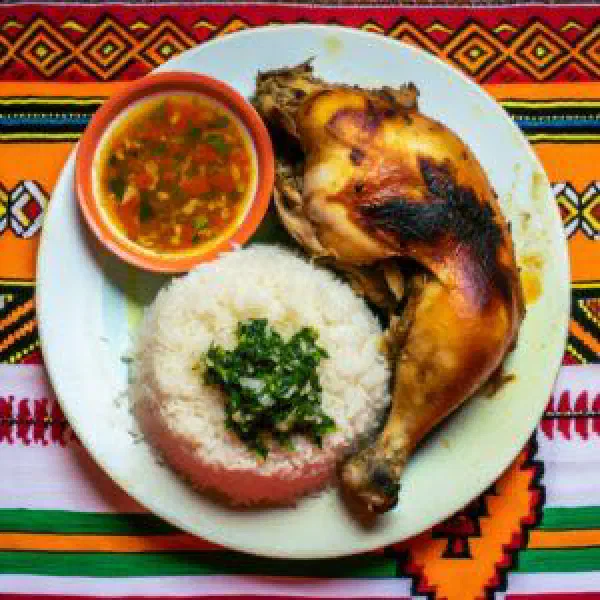
Presentation can lift the whole kiburu experience. Serve the dish on a colourful plate and garnish it with fresh herbs to add visual interest. Pair it with sides such as rice or bread, and bring a bright, fresh salad like Kachumbari to the table alongside it. Paying attention to how the food looks shows just how much care went into making it.
A bit of history
Kiburu has a history closely bound up with Tanzanian culture and tradition. It is cooked in households across the country and often appears at celebrations and festivals. Ingredients and methods shift from region to region, which reflects the sheer variety within Tanzanian cuisine. The dish is more than simply food; it is part of community life and family tradition, passed down through generations.
More recipe ideas
Summary: Kiburu
In short, kiburu is a delicious and versatile dish that captures the resonant traditions of Tanzanian cuisine. Built from a handful of fresh ingredients and well-judged spices, it is straightforward to make and a genuine pleasure to eat. It brings the flavours of East Africa straight to your table. Let it inspire you, and take a tour into the heart of Tanzania.