National Dish Tanzania: Makande (Recipe)
In this article
Meet Makande, the comforting maize-and-bean stew that Tanzanian families have been cooking for generations. It asks very little of you, a pot, a little patience and a handful of everyday ingredients, yet it rewards you with something deeply satisfying and quietly nourishing. This is the kind of food that stretches to feed whoever turns up, and it is every bit as welcome on a busy weeknight as it is at a big family gathering.
About Makande
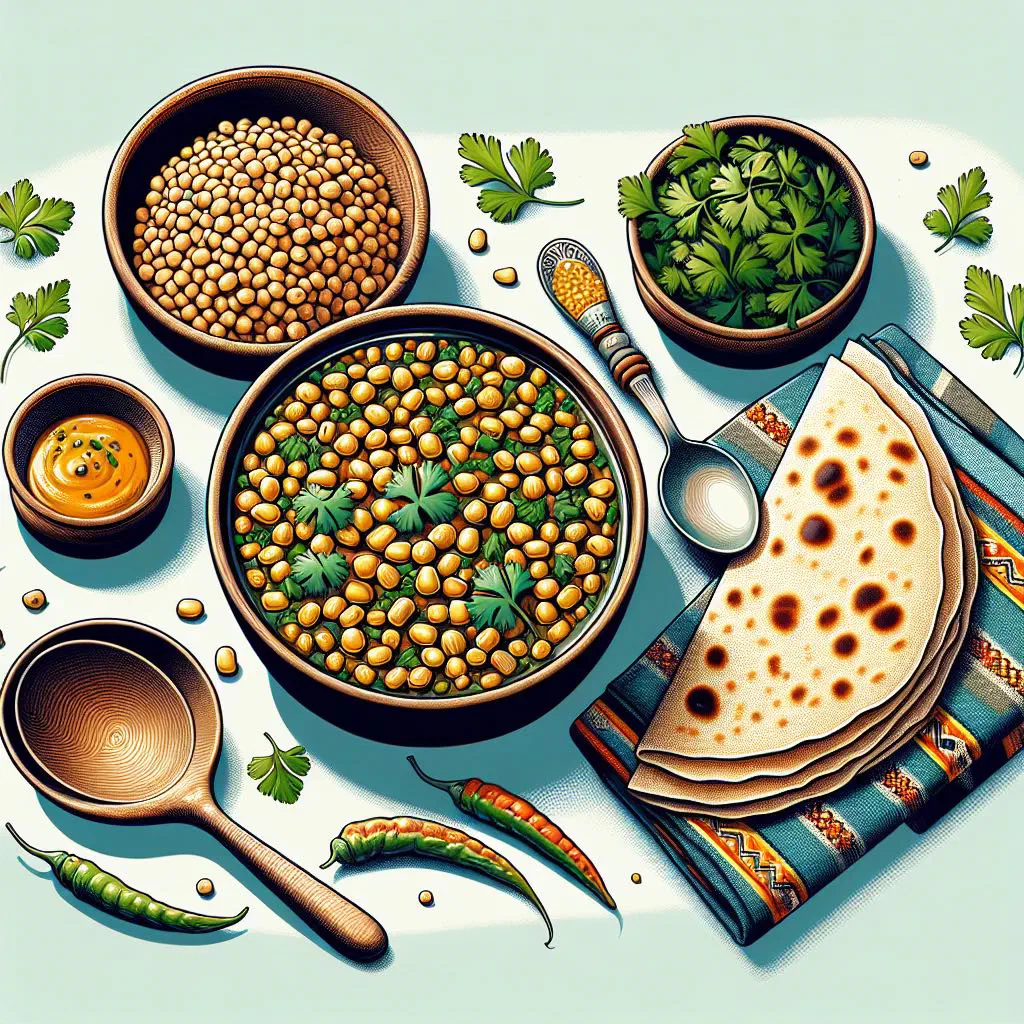
Makande is a traditional national dish of Tanzania built around a wonderful combination of maize and beans. It is a genuine pleasure to eat and a dependable centrepiece for any family meal. Its straightforward preparation makes it especially appealing to beginners as well as to seasoned cooks looking for something new. Makande is often lifted with a range of aromatic ingredients, bringing the varied flavours of Tanzanian cooking straight to the plate.
Ingredients (serves 1–2)
- 1 cup maize kernels
- 1 cup beans (black beans or kidney beans, for example)
- 1 onion, chopped
- 2 cloves of garlic, chopped
- 1 tomato, diced
- Salt and pepper to taste
- Water, as needed
- Optional: spices such as cumin or coriander
Shopping for the ingredients
The ingredients for makande are easy to track down in most supermarkets or African and Asian grocery shops. Maize and beans are the mainstays and are usually sold either dried or tinned. When buying fresh produce such as onions and tomatoes, look for freshness and good quality to guarantee the best flavour. Optional spices let you round off your own version of the dish exactly as you like it, much the same approach that works well for a fragrant Pilau.
Preparing the dish
Getting makande ready is refreshingly uncomplicated; it simply calls for a little time to soak the beans if you are using dried ones. Plan on soaking them for at least four to six hours, or overnight, so they cook through evenly. While they soak, you can prepare everything else: chopping the onions and garlic and dicing the tomato. All of this groundwork adds up to a far better result in the pot.
Step-by-step instructions
- Drain the beans and tip them into a pan together with the maize.
- Add enough water to cover the ingredients and bring everything to the boil.
- Reduce the heat and let the mixture simmer for 30–40 minutes, until the beans are tender.
- In a separate pan, fry the chopped onion and garlic until golden brown.
- Add the diced tomato and the spices, then let the mixture simmer for around 10 minutes.
- Stir the onion and tomato mixture into the cooked beans and maize until well combined.
- Season with salt and pepper to taste and serve.
Gluten-free / lactose-free version
Makande is naturally gluten-free and contains no dairy at all, which makes it ideal for anyone with intolerances or particular dietary needs. Its core ingredients, maize and beans, are naturally free from gluten. Using fresh vegetables and spices keeps the dish both wholesome and delicious. When shopping, just check that any processed ingredients you add do not contain gluten-based additives.
Tips for vegans and vegetarians
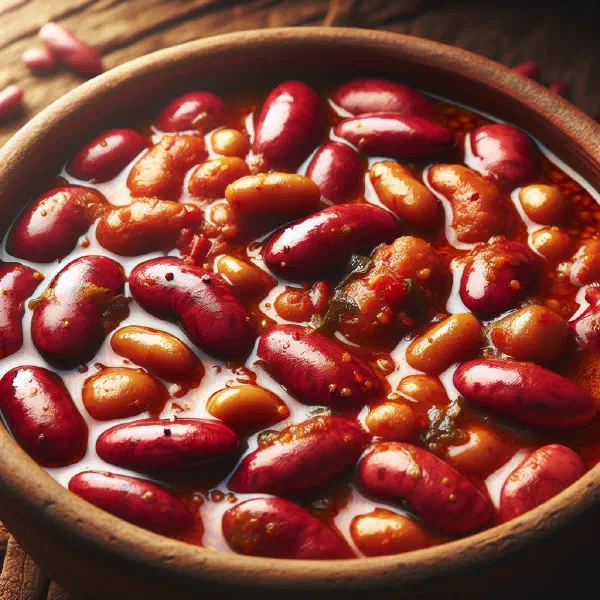
Makande is an outstanding choice for vegans and vegetarians, since it is rich in plant protein and free of animal products. To make it even more nourishing, add extra vegetables such as carrots or peppers. These bring colour as well as additional flavour and vitamins. Experiment with different natural spices to deepen the aroma and give the dish your own personal stamp, the same trick that makes a simple bowl of Maharagwe Ya Nazi sing.
More tips and tricks
A few extra pointers will help you get the very best from your makande. Make sure the beans are soaked thoroughly so that everything cooks at an even pace. A pinch of smoked paprika or chipotle adds an intriguing kick. Remember to adjust the amount of water depending on how thick you like the mixture. Leftovers keep well in the fridge, too, and often taste even better the following day.
Adapting the recipe to your taste
Every ingredient and spice in makande can be adjusted to suit individual tastes. If you like heat, add fresh chillies or chilli powder. For a more herbaceous note, parsley or coriander make excellent additions. You can also vary the ratio of maize to beans to get exactly the texture you prefer.
Ingredient substitutions
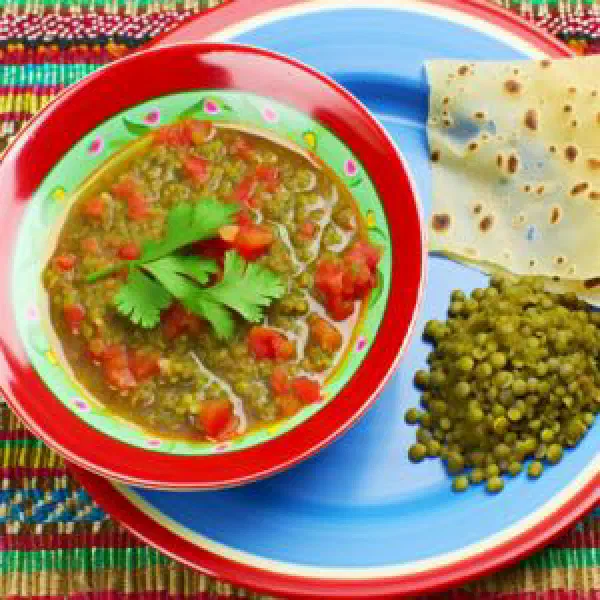
If some of the classic ingredients are not available, there are plenty of alternatives to fall back on. Lentils work beautifully in place of beans and are just as nourishing, as anyone who has made Dengu will know. Instead of maize kernels you might use polenta for a different flavour and consistency. Bear in mind that experimenting with different ingredients is enjoyable and opens the door to new tastes. Make makande your own dish.
Drink pairing ideas
A range of drinks goes well with makande and complements its flavours nicely. A cold lager or a fresh lime-and-mint cooler are popular options that round the meal off. Alternatively, serve a fruity iced tea or sparkling water with a slice of lemon to refresh the palate. Try to match the drinks to your guests’ preferences for a thoroughly successful meal.
Serving and presentation ideas
Presentation can do a great deal to raise the appeal of makande and improve the atmosphere at the table. Serve the dish in colourful bowls and garnish with fresh herbs such as coriander or parsley. Another classic touch is to present it on a rustic wooden board for an authentic, homely look. You might also enjoy it outdoors at a barbecue or picnic, which brings out the communal spirit of Tanzanian food all the more.
A bit of history
Makande has a long history in Tanzania. Originally conceived as a simple, filling meal for farm workers, it quickly won broader popularity. The dish stands for the link between tradition and community, since it is so often served at family celebrations and festive occasions. Cooking makande is not merely a culinary tradition but a social occasion in its own right, when friends and family gather to enjoy it together, one of the warmest expressions of Tanzanian cuisine.
More recipe ideas
Summary: Makande
Makande is more than just a dish; it is a piece of Tanzanian culture that deserves a place in any cook’s repertoire. The combination of maize, beans and a variety of spices delivers an exceptional flavour and endless room for adaptation. Whether for a family dinner or a sociable evening with friends, makande brings warmth and pleasure to every meal. Do not hesitate to give this wonderful dish a try and let its delicious flavours carry you away.