National Dish Tanzania: Matembele (Recipe)
In this article
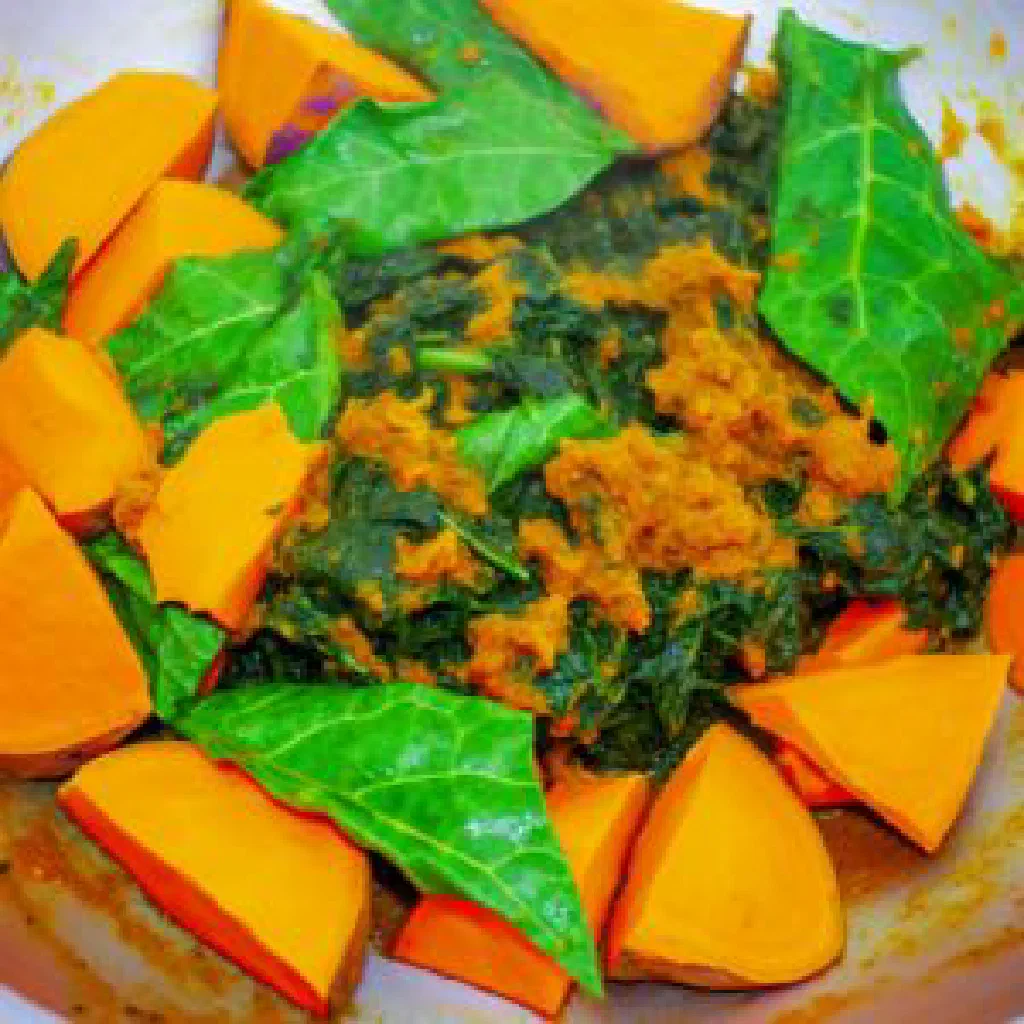
Matembele is sweet potato leaves, which most of the world throws away and East Africa eats by the bunch. They braise down with onion, tomato and peanut butter into a thick, savoury relish that goes beside ugali — and they have more iron and protein than the tuber underneath.
About Matembele
Matembele is Tanzania’s much-loved leafy green dish. Tender sweet potato leaves are braised with onion, tomato and peanut butter into a hearty, creamy side dish that no Tanzanian table should be without. Simple, nourishing and characteristic of East African cooking, it is a dish that unites tradition and genuine pleasure.
Ingredients (serves 1–2)
- 300 g fresh sweet potato leaves (matembele) — chard or spinach as substitutes
- 1 onion, finely chopped
- 1–2 tomatoes, diced
- 2 tablespoons peanut butter (or finely ground peanuts)
- 1–2 tablespoons vegetable oil
- 1 chilli, finely chopped, optional
- Salt, to taste
- A little water
Shopping for the ingredients
Sweet potato leaves are sold in African and Asian grocers, usually in large bunches. Choose bright green leaves with no yellowing. Use the youngest leaves and the tender stem tips; older stems are stringy. Peanut butter with no added sugar is essential.
Preparing the dish
Strip the leaves from the tougher stems and wash them well, since they carry a good deal of grit. Chop them roughly. Slacken the peanut butter with warm water before it goes into the pan.
Step-by-step instructions
- Strip the leaves from the tough stems and wash thoroughly.
- Chop roughly.
- Heat the oil and fry the onion for 6–8 minutes until soft and golden.
- Add the tomatoes and chilli and cook down for 6 minutes.
- Add the leaves with a splash of water.
- Cover and braise for 8–10 minutes until tender.
- Slacken the peanut butter with warm water and stir it through.
- Simmer uncovered 5 minutes more, season with salt and serve with ugali.
Gluten-free / lactose-free version
Matembele is naturally gluten-free and lactose-free. Ugali, made from maize meal, is likewise gluten-free, so the whole meal is suitable without adaptation.
Tips for vegans and vegetarians
The dish is vegan as written and is one of the standard everyday plates in Tanzania. Greens plus peanuts plus maize is a complete protein, a combination arrived at long before anyone was calculating it.
More tips and tricks
Wash the leaves properly; sweet potato leaves hold grit in the folds. Slacken the peanut butter first so it does not clump. And use the young leaves and tender tips, discarding thick stems, which stay stringy no matter how long you cook them.
Adapting the recipe to your taste
Coconut milk in place of some of the peanut butter gives the coastal Swahili version. Dried shrimp added at the start is common near the lakes. More chilli suits it.
Ingredient substitutions
Amaranth leaves (mchicha), pumpkin leaves or cassava leaves all work by the same method. Spinach substitutes readily. Tahini can replace peanut butter.
Drink pairing ideas
Fresh passion fruit juice is the everyday Tanzanian choice. Cold Kilimanjaro or Safari lager suits it at a meal. Spiced chai is drunk with food along the coast.
Serving and presentation ideas
Serve matembele in a bowl beside a mound of ugali, which is pinched off, rolled and used to scoop. Beans, fish or grilled meat sit on the same plate. It is family food, brought to the table in the pot.
A bit of history
Sweet potato leaves are eaten across East and Central Africa and are among the most nutritious greens in common use, a genuine case of the leaf being worth more than the root. Groundnuts arrived from South America via Portuguese traders and were absorbed so thoroughly that peanut relishes now define much of the region’s cooking. It offers a genuine window onto Tanzanian cuisine.
More recipe ideas
Summary: Matembele
Matembele is sweet potato leaves braised with onion, tomato and peanut butter, served beside ugali. Wash them well, use the young leaves, and slacken the peanut butter before it goes in.