National Dish Tanzania: Matoke (Recipe)
In this article
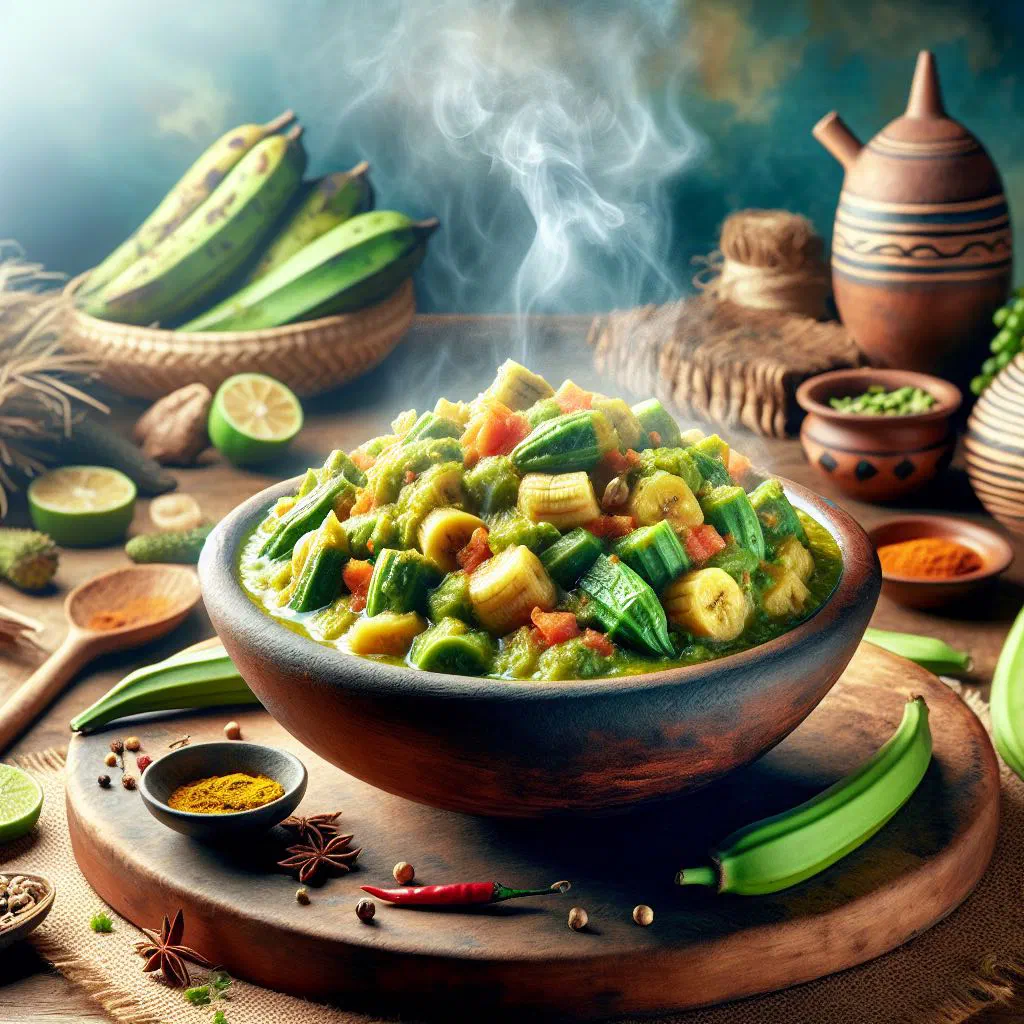
Discover Matoke, one of Tanzania’s most comforting everyday dishes. Gently steamed green plantains soak up a fragrant tomato and pepper sauce, giving you a mild, satisfying plate that suits both a quiet weeknight supper and a proper celebration. It is a superb introduction to African cooking, simple to make, endlessly adaptable and packed with warmth. Bring a taste of East Africa straight to your own kitchen.
About Matoke
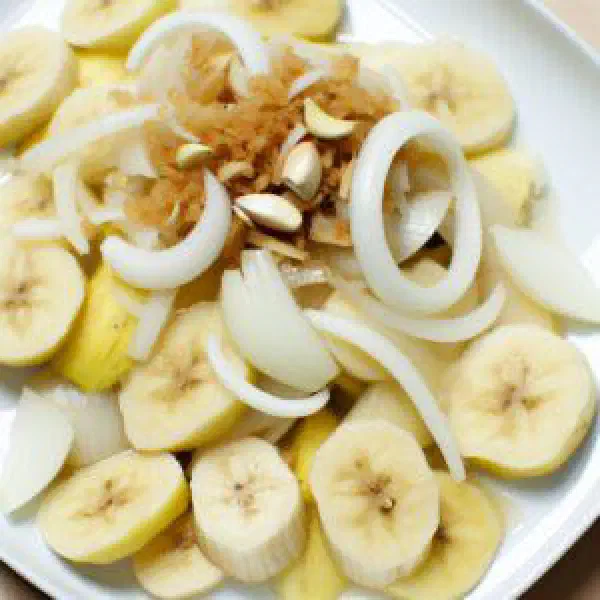
Matoke is a traditional dish from Tanzania made with green plantains. Its flavour is mild and gentle, which makes it a wonderful partner for all manner of side dishes and sauces, one reason it turns up at festive gatherings just as readily as at the family table. It is often combined with meat or vegetables, and almost every household ends up with its own version of the recipe. The dish not only brings the flavours of Africa into your kitchen, it also carries a long history rooted deep in Tanzanian culture.
Ingredients (serves 1–2)
- 4–5 green plantains
- 1 onion
- 2 tomatoes
- 1 pepper
- 1–2 tablespoons oil
- Salt and pepper, to taste
- Optional: spices such as cumin and coriander
Shopping for the ingredients
When shopping for matoke, choose fresh green plantains, as these give you the best flavour and the right texture. Look for firm, unpeeled fruit with a healthy colour. The onions, tomatoes and peppers should be equally fresh so they contribute as much flavour as possible. A local organic market or an African grocery is your best bet for top-quality ingredients, the same shops that stock what you need for a hearty Maharagwe Ya Nazi.
Preparing the dish
Preparing matoke is remarkably straightforward, though it does reward a little planning. Start by peeling the plantains and cutting them into evenly sized pieces so they cook through at the same rate. The onion, tomatoes and pepper need to be chopped and set out ready to use. Getting everything prepared in advance keeps the cooking process running smoothly and lets you enjoy the full aroma of every ingredient.
Step-by-step instructions
- Put the peeled and cut plantains in a pan and cover with water.
- Bring to the boil, then simmer for 15–20 minutes until the plantain is soft.
- In a separate frying pan, heat the oil and sweat the onion until translucent.
- Add the tomatoes and pepper and fry for a further 5 minutes.
- Drain the cooked plantains, add them to the pan of vegetables and combine well.
- Season with salt, pepper and any optional spices, then let everything simmer for a few minutes.
- Serve and enjoy.
Gluten-free / lactose-free version
Matoke is naturally gluten-free and lactose-free, which makes it an excellent choice for anyone with particular dietary needs. No dairy and no gluten-containing ingredients are required, so you can enjoy the dish without a second thought. It also means matoke is perfectly suited to vegans and vegetarians who prefer a plant-based diet.
Tips for vegans and vegetarians
There are plenty of ways for vegans and vegetarians to build on matoke. Instead of meat, try spiced lentils or chickpeas as your protein, much as you would in a bowl of Dengu. A mix of different vegetables, such as carrots or courgettes, adds welcome colour and aroma too. That way your dish stays every bit as nourishing as it is tasty.
More tips and tricks
There are a few tips and tricks that make cooking matoke easier. You can peel and prepare the plantains the day before, for instance, which saves time on the day. Another useful trick is to add a squeeze of lemon juice to the plantain once cooked, which lends an extra note of freshness. Experiment with different spices to tune the dish to your own preferences.
Adapting the recipe to your taste
One of the great advantages of matoke is its flexibility. You can adjust the ingredients to suit your palate, whether by adding different vegetables or reaching for other spices. If you like things hotter, simply stir in some chilli flakes. For a creamier texture, add a splash of coconut milk towards the end of cooking, which gives the dish a whole new dimension.
Ingredient substitutions
If you struggle to find the original ingredients, there are plenty of alternatives. Instead of fresh tomatoes, for example, you can use passata or tinned tomato sauce, which cuts down on the work. When it comes to spices there are no limits at all, experiment with whatever you have to hand to create your perfect version. That is how matoke becomes a personal, individual experience.
Drink pairing ideas
A number of drinks make a fine partner for matoke and underline the flavours of the dish. A fresh ginger tea or a classic African beer both work beautifully. For an alcohol-free option, freshly pressed fruit juices such as mango or pineapple juice are the perfect accompaniment, as is a warm cup of Chai Ya Maziwa. These drinks offer a refreshing contrast while drawing out the flavours of the food.
Serving and presentation ideas
The presentation of matoke can improve the whole dining experience considerably. Serve the dish on a colourful plate and garnish it with fresh herbs such as coriander or parsley to create a visual highlight. A small spoonful of yoghurt or sambal on the side adds extra flavour and colour, and a crisp Kachumbari makes a bright, sharp accompaniment. Take care to arrange the side dishes well so the plate looks as inviting as it tastes.
A bit of history
Matoke has a long and fascinating history rooted deep in Tanzanian culture. Cooking and eating matoke has been part of the country’s traditions for centuries. The dish originally comes from the Bantu peoples, who cultivated plantains as a staple food. Today matoke is popular not only in Tanzania but across other parts of East Africa too, where it is prepared with all sorts of regional variations, one of the cornerstones of Tanzanian cuisine.
More recipe ideas
Summary: Matoke
All in all, matoke is an outstanding dish that impresses with its versatility while offering a genuine insight into East African cooking. Matoke delivers a flavour experience all of its own. With wholesome ingredients and straightforward steps, this recipe suits confident cooks and complete beginners alike. Let Tanzanian cooking inspire you and enjoy the harmonious flavours that matoke has to offer.