National Dish Tanzania: Mchicha (Recipe)
In this article
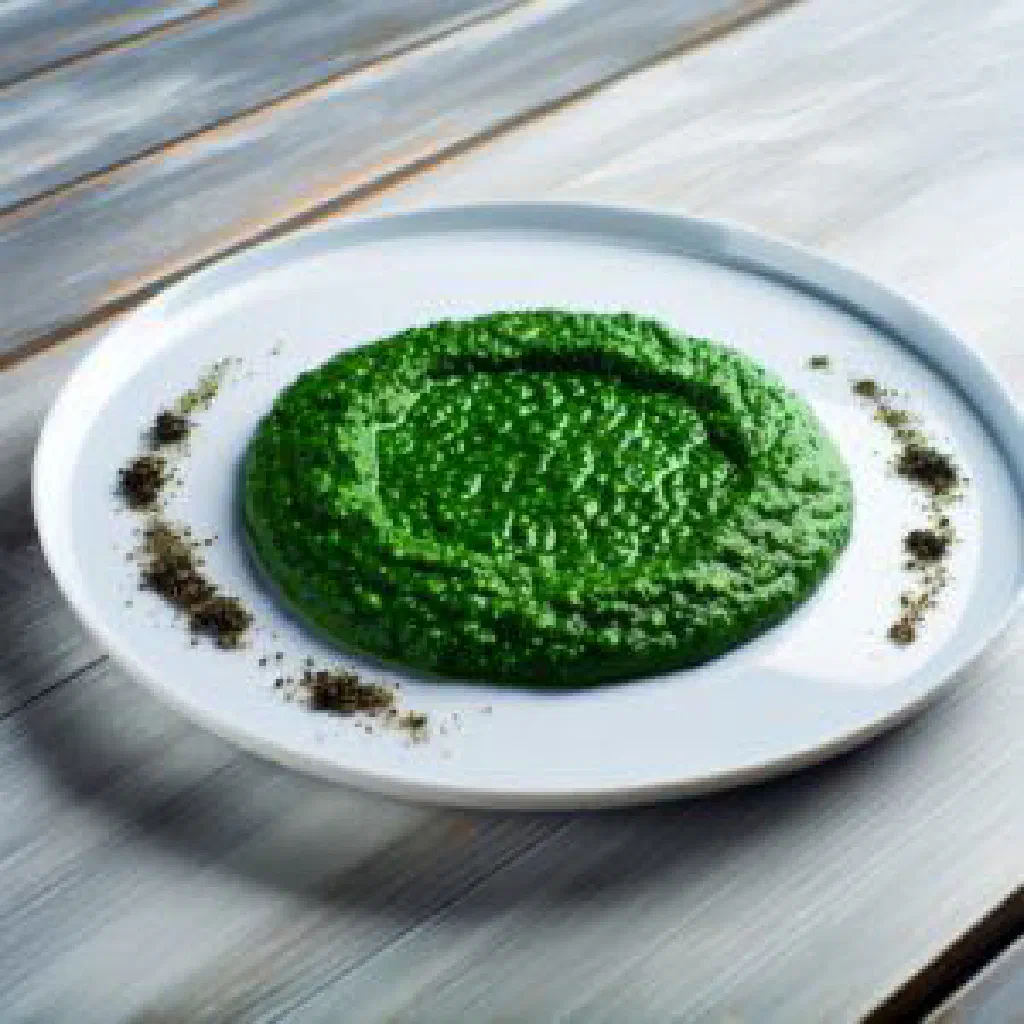
Discover Mchicha, one of Tanzania’s most beloved everyday dishes. Built around tender leaves of fresh spinach, warming spices and a scattering of roasted peanuts, it is proof that simple ingredients can deliver enormous flavour. Wholesome, quick to cook and naturally packed with goodness, Mchicha is the perfect introduction to East African home cooking, and it takes barely twenty minutes from chopping board to table.
About Mchicha
Mchicha is a traditional dish from Tanzania that wins people over with its savoury depth as much as with its wholesome ingredients. The star of the show is fresh spinach, rich in vitamins and minerals, lifted by aromatic spices and roasted peanuts that give the dish its unmistakable character. Mchicha is usually served with rice or with ugali, the East African maize side, which turns it into a complete and genuinely nourishing meal.
Ingredients (serves 1–2)
- 300 g fresh spinach
- 2 tablespoons peanuts, roasted
- 1 onion, diced
- 2 cloves of garlic, chopped
- 1 teaspoon cumin
- 1 teaspoon coriander
- 2 tablespoons vegetable oil
- Salt and pepper to taste
Shopping for the ingredients
The ingredients for Mchicha are available in most supermarkets, particularly in the fresh herb and spice aisles. When buying spinach, look for leaves that are crisp and bright, since they form the flavour base of the whole dish. Roasted peanuts can usually be found either in the snack section or in the international aisle. Spices such as cumin and coriander are widely stocked too, though it is worth checking the packaging for the best-before date so you get the full aroma.
Preparing the dish
Before you begin cooking, wash and prepare all the ingredients thoroughly. The spinach needs to be cleaned well and roughly chopped. Onions and garlic should be finely diced so their aromas are released to best effect. It is also worth toasting the peanuts lightly in a dry pan to intensify their flavour and give them a pleasing crunch.
Step-by-step instructions
- Heat the vegetable oil in a pan and fry the diced onion until golden brown.
- Add the garlic and cook briefly until fragrant.
- Sprinkle in the cumin and coriander and stir to combine.
- Add the spinach and cook, stirring, until the leaves have wilted.
- Scatter in the roasted peanuts and season with salt and pepper.
- Let everything simmer for a few minutes, then serve hot.
Gluten-free / lactose-free version
Mchicha is naturally gluten-free and lactose-free, as it contains no processed ingredients and no dairy at all. For a gluten-free side, ugali made from maize flour comes together without any trouble. When using spices, do check that they too are certified gluten-free. This flexibility makes Mchicha an excellent option for anyone with food intolerances.
Tips for vegans and vegetarians
For vegans and vegetarians Mchicha is an ideal choice, since it contains no animal products whatsoever. The pairing of spinach and peanuts delivers outstanding flavour and a generous source of protein. To make the dish even more nourishing, add extra vegetables such as carrots or peppers. You can also happily experiment with other nuts in place of peanuts for a different taste experience, much as you would in a rich Maharagwe Ya Nazi.
More tips and tricks
To get the very best from your Mchicha, use freshly ground spices and serve the dish straight after cooking. That way the spinach keeps its bite and its vivid green colour. You can also blanch the spinach briefly for an even deeper shade of green. A squeeze of lemon just before serving refines the flavour further and adds welcome freshness.
Adapting the recipe to your taste
Mchicha is highly adaptable and easy to vary according to personal preference. If you like more heat, add chilli flakes or fresh chillies. The choice of nuts can change too. Try cashews or almonds for different textures. Think about how you want to present the dish and adjust both ingredients and portion sizes accordingly to suit your guests.
Ingredient substitutions
If you have no peanuts to hand, replace them with sesame seeds or sunflower seeds, which offer a similar crunch. The spinach can likewise be swapped for other leafy greens such as chard or kale, in the spirit of Matembele or Kisamvu. To keep the dish fully plant-based, stick to a neutral vegetable oil. The aromas stay just as intense and unadulterated.
Drink pairing ideas
A number of drinks complement the savoury character of Mchicha beautifully. A chilled beer or a light white wine sits well alongside the flavours of the dish. For an alcohol-free option, fresh fruit juices or an ice-cold hibiscus tea work wonderfully, the tea’s gentle acidity bringing a refreshing note.
Serving and presentation ideas
Presentation can lift the Mchicha experience considerably. Serve the dish in colourful ceramic bowls that highlight the green of the spinach and the warm tones of the spices. A fresh sprig of coriander or parsley makes a fine decorative touch. To make the flavour profile more interesting still, use a few extra roasted peanuts as a topping. Keep the dish warm while you plate up so your guests receive a properly hot meal, a fresh Kachumbari on the side rounds it off nicely.
A bit of history
Mchicha has its origins in Tanzanian cooking, shaped by the country’s remarkable cultural diversity. The combination of locally grown ingredients reflects the traditions and tastes of its many ethnic groups. Spinach and similar greens are widespread across African kitchens and are often used as an affordable, nutritious side. The influence of Indian and Arab cooking on Tanzanian cuisine has also contributed to the popularity of the spices found in this dish.
More recipe ideas
Summary: Mchicha
Mchicha is a versatile and healthy dish from Tanzania that is easy to make at home. The combination of fresh spinach, aromatic spices and crunchy peanuts makes it a highlight of African cooking. Mchicha is a perfect way to experience the rich culinary traditions of East Africa. Let the aromas win you over and savour every forkful.