National Dish Tanzania: Mchicha wa Kuku (Recipe)
In this article
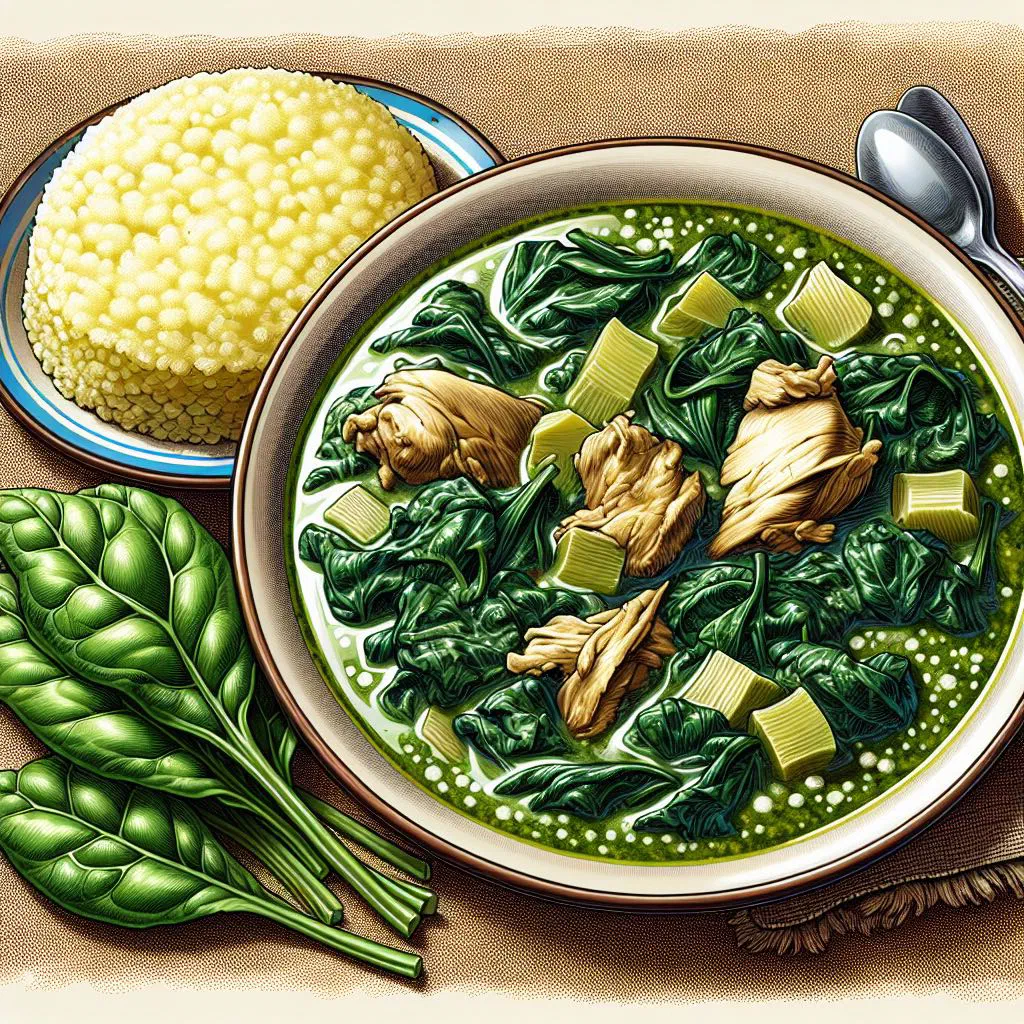
Discover Mchicha wa Kuku, a wonderfully wholesome Tanzanian classic that brings together tender chicken and a generous pile of fresh spinach. Gently spiced with garlic, ginger and ripe tomato, it is the kind of dish that feels nourishing and celebratory at the same time. Simple to cook yet full of character, it suits a relaxed midweek supper just as well as a table laid for guests.
About Mchicha wa Kuku
Mchicha wa Kuku is a traditional dish from Tanzania that combines spinach with tender chicken. The pairing of these two ingredients gives a harmonious, deeply flavoursome result that is both filling and nutritious. The dish is a fine example of East African home cooking and shows just how simple and delicious healthy ingredients can be. It works beautifully for special occasions as well as for a cosy evening meal with friends or family.
Ingredients (serves 1–2)
- 400 g fresh spinach
- 300 g chicken breast fillet
- 1 onion
- 2 cloves of garlic
- 1 teaspoon freshly grated ginger
- 1 tomato
- 2 tablespoons vegetable oil
- Salt and pepper to taste
- 1 teaspoon curry powder (optional)
Shopping for the ingredients
To make an authentic Mchicha wa Kuku, it is worth seeking out fresh, good-quality ingredients. Visit your local market or a well-stocked grocer for the spinach and the chicken breast fillet. Do use fresh garlic and ginger rather than dried versions, as they deepen the flavour of the dish considerably. These ingredients will improve the taste and raise the nutritional value of the finished meal.
Preparing the dish
Preparing Mchicha wa Kuku is straightforward and needs only a few basic steps. Begin by finely chopping the onion, garlic and ginger. Cut the chicken breast into small pieces and season it with the spices so it takes on plenty of aroma before it hits the pan. The spinach should be washed thoroughly and roughly chopped before it goes into the dish, much the same groundwork you would do for a simple Mchicha.
Step-by-step instructions
- Heat the vegetable oil in a large pan over a medium heat.
- Add the chopped onion, garlic and ginger and fry until golden brown.
- Add the chicken to the pan and cook until it is done through.
- Stir in the chopped tomato and the spices and let everything simmer briefly.
- Add the spinach and cook for a few minutes until it has wilted and softened.
- Season with salt and pepper and serve.
Gluten-free / lactose-free version
Mchicha wa Kuku is naturally gluten-free and lactose-free, which makes it an excellent choice for anyone with those intolerances. Just check that all the ingredients you use, particularly spice blends and oils, contain no hidden gluten or dairy. That makes this dish a dependable option for a wide range of eating habits and food sensitivities.
Tips for vegans and vegetarians
For vegan and vegetarian versions of Mchicha wa Kuku you can replace the chicken with tofu or seitan. Both alternatives are rich in protein and take on spices extremely well. Using coconut milk in place of the meat is another route, giving the dish a creamier body and extra depth of flavour. Experiment with different vegetables to create a version that is entirely your own.
More tips and tricks
A few simple touches will make Mchicha wa Kuku even better. Scatter over fresh herbs such as coriander or thyme as a garnish for an added layer of aroma. Play with different spices to tune the flavour to your liking, a pinch of cayenne pepper, for instance, gives the dish a welcome kick. Serving it with rice or warm Chapati turns it into a complete and generous meal.
Adapting the recipe to your taste
The great thing about Mchicha wa Kuku is how easily it bends to personal preference. Add peppers, carrots or any other vegetables you enjoy to boost the nutritional content and bring more colour to the pan. The choice of spices can vary just as freely, so you can shape the dish exactly to your own palate.
Ingredient substitutions
If some of the ingredients are hard to come by, there are always alternatives to fall back on. Fresh spinach can be swapped for kale or chard, both of which are just as rich in nutrients, the leafy approach you also find in Matembele. Instead of chicken you can use plant-based protein for a meat-free version. Adjustments like these let you vary the recipe without giving up any of the pleasure of eating it.
Drink pairing ideas
A number of drinks work well alongside Mchicha wa Kuku and round off the eating experience nicely. A light red wine or a soft, unoaked white harmonises well with the gently spiced flavours of the dish. If you prefer something without alcohol, try a refreshing ginger beer, a fruity iced tea or a cup of spiced Chai Ya Maziwa. These pairings help lift the flavours of the food and create a well-balanced meal.
Serving and presentation ideas
Presentation plays a real part in how a dish is received. Serve Mchicha wa Kuku in a shallow bowl and garnish it with fresh coriander or parsley for a bright contrast of colour. Make sure the natural colours of the ingredients come through rather than being hidden under sauce. A nicely laid table with the right crockery raises the whole eating experience and draws attention to the food.
A bit of history
Mchicha wa Kuku has its roots in traditional Tanzanian cooking, which has always been shaped by the region and by whatever ingredients were close at hand. Leafy greens are treasured across many African food cultures, and combining them with chicken produces a nourishing meal often served at celebrations and family gatherings. The methods behind these dishes have been passed down through generations, and the colours and aromas of Tanzanian cuisine carry that heritage forward. Cooking and sharing food like this keeps the culture very much alive.
More recipe ideas
Summary: Mchicha wa Kuku
Mchicha wa Kuku is a delicious and healthy dish that captures the flavours of Tanzania. It brings together fresh spinach and tender chicken with aromatic spices to make a meal that satisfies on every level. It is versatile and adaptable enough for everyone to make their own version. Enjoy the cooking, and enjoy sharing this wonderful dish with family and friends.