National Dish Tanzania: Mkate wa Sinia (Recipe)
In this article
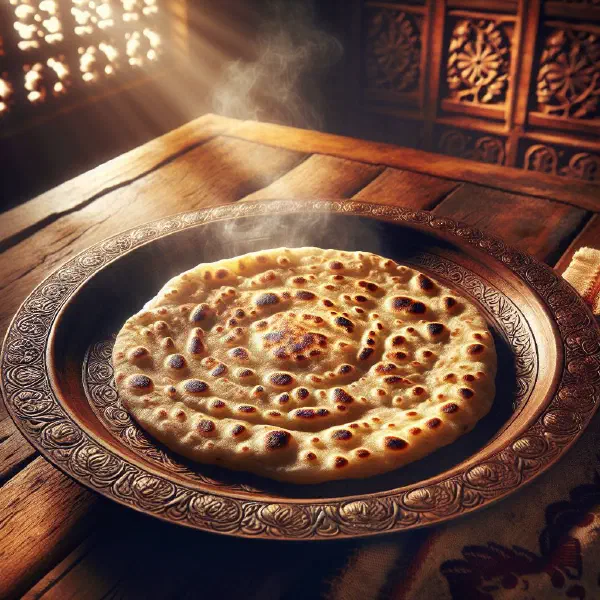
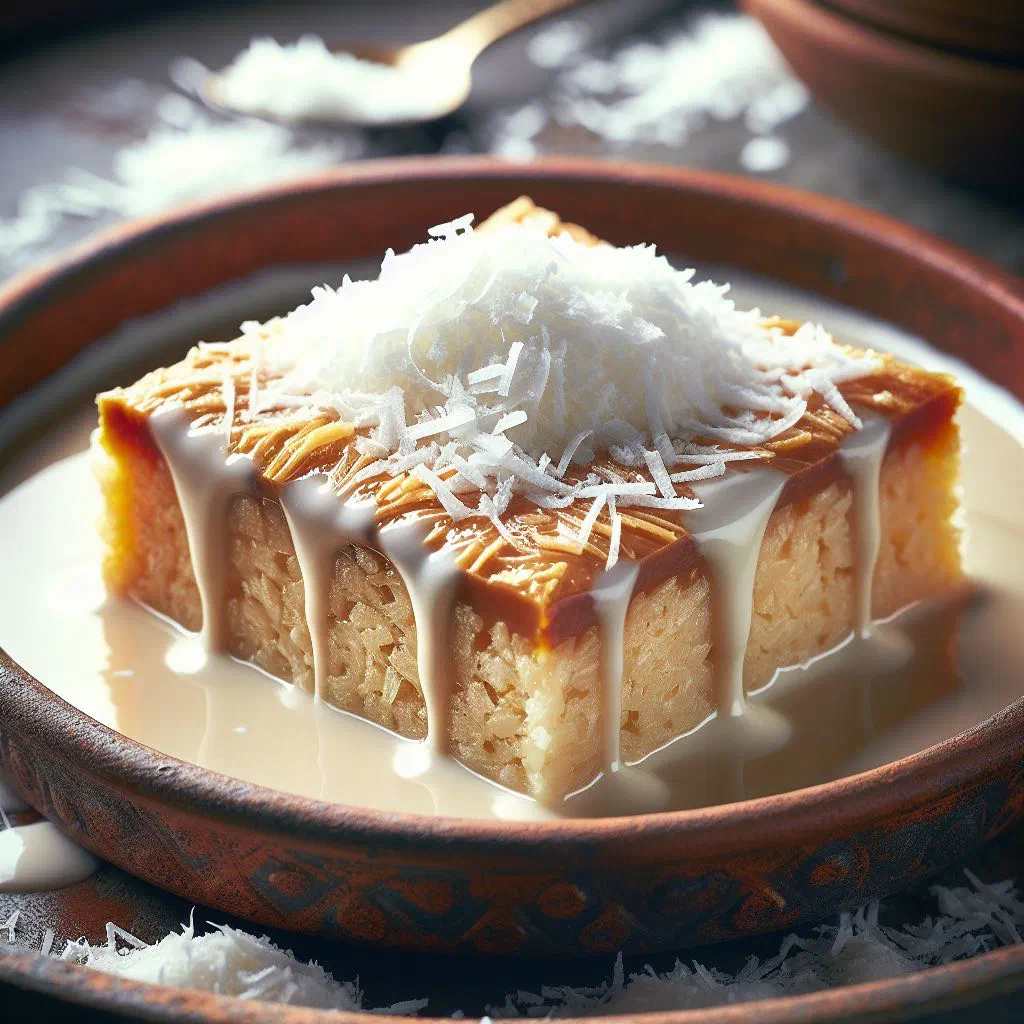
Meet Mkate wa Sinia, the soft, pillowy flatbread that turns up on Tanzanian tables at everything from quiet weeknight suppers to big family celebrations. It asks for barely a handful of storecupboard ingredients, comes together in minutes and bakes to a beautiful golden finish in a single pan. Tear it, dip it, pile things on it. This is the kind of bread that makes a meal feel generous.
About Mkate wa Sinia
Mkate wa Sinia is a traditional flatbread from Tanzania, celebrated for its fluffy dough and gently savoury flavour. It is served alongside all manner of main courses and works equally well as a side or as a snack in its own right. Making it is refreshingly straightforward and calls for only a few ingredients that most kitchens already stock. Shared with family and friends, Mkate wa Sinia is a genuine highlight of any meal.
Ingredients (serves 1–2)
- 200 g plain flour
- 1 teaspoon baking powder
- 1 teaspoon salt
- 150 ml water
- 2 tablespoons vegetable oil
Shopping for the ingredients
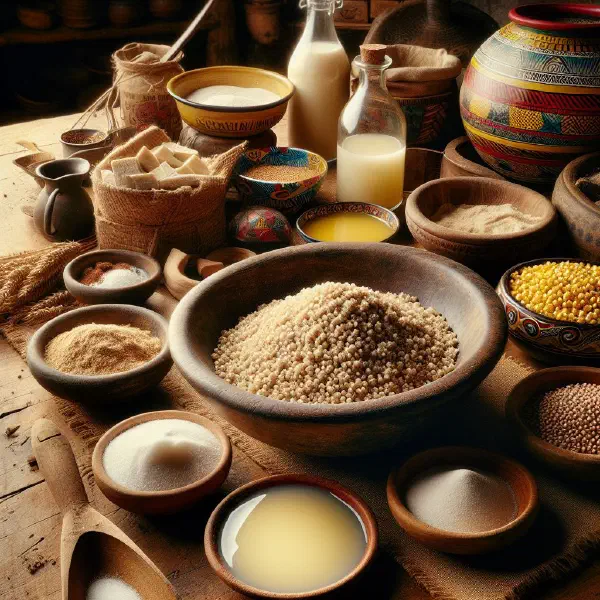
To make Mkate wa Sinia you need only a few basic ingredients, all of which are available in any supermarket. Choose fresh flour and baking powder for the best possible results. The vegetable oil can be swapped for whichever oil you prefer, such as rapeseed oil or olive oil. If you would rather work with gluten-free flour, look into blends that deliver a similar texture to wheat.
Preparing the dish
Before you start, it helps to lay out all the ingredients and clear yourself a tidy work surface. Measure the ingredients accurately so the dough reaches exactly the right consistency. A good tip is to combine the flour with the salt and baking powder in a large bowl first, which gives you an even mix throughout. Have the water and oil within easy reach too, so the whole process runs smoothly.
Step-by-step instructions
- Combine the flour, baking powder and salt in a bowl.
- Add the water gradually, stirring with a fork as you go.
- Pour in the vegetable oil and knead everything thoroughly until you have a smooth dough.
- Roll the dough out on a floured surface and cut it into flat rounds.
- Heat a pan and bake the flatbreads over medium heat until golden brown.
Gluten-free / lactose-free version
To make Mkate wa Sinia gluten-free, simply use a gluten-free flour blend, widely stocked in supermarkets, and choose a baking powder certified for gluten-free baking. For a lactose-free version, reach for a plant-based oil rather than butter. These small adjustments mean anyone with a specific intolerance can enjoy these delicious flatbreads too.
Tips for vegans and vegetarians
Mkate wa Sinia is naturally vegan, since no animal products are required at all. Just stick to plant-based oils and leave out yoghurt or butter. Vegetarians will love it just as much, especially served with a spread of vegetable-rich sides to round the bread out. Fresh salads such as Kachumbari or a warming lentil dish like Dengu turn it into a complete meal.
More tips and tricks
To make sure your flatbreads come out especially fluffy, let the dough rest for around 30 minutes after kneading. This gives the gluten time to relax and noticeably improves the structure of the bread. Try different cooking times, as the pace of browning varies from one hob to the next. A lid over the pan helps spread the heat more evenly and stops the bread drying out.
Adapting the recipe to your taste
The Mkate wa Sinia recipe is easy to tailor to your own preferences. Herbs and spices such as cumin or thyme can be worked into the dough to shift the flavour. Add grated cheese for a savoury, punchier version, or experiment with different types of flour for something new. Each of these tweaks lends the traditional bread a character all of its own.
Ingredient substitutions
If you cannot lay hands on a particular ingredient, there are plenty of alternatives. Plain flour, for example, can be replaced with wholemeal flour for a nuttier taste. In place of vegetable oil you might use coconut oil, which gives the bread a subtle sweetness much like the one that runs through Muhogo wa Nazi.
Drink pairing ideas
A whole range of drinks goes beautifully with Mkate wa Sinia. Pair it with a freshly pressed fruit juice or a cooling iced tea to complement the aromas of Tanzanian cooking. A strong, milky spiced tea such as Chai ya Maziwa is an excellent choice too, echoing the warmth of the bread perfectly. Experiment with these combinations to round off the whole experience.
Serving and presentation ideas
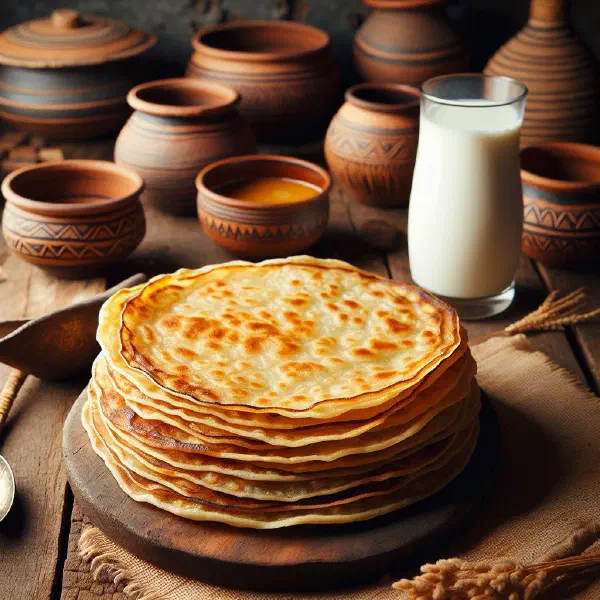
For an inviting presentation, serve Mkate wa Sinia on a large, rustic wooden board. Add a selection of dips, hummus, guacamole or a fiery salsa, to encourage everyone to dig in together. A scattering of fresh herb leaves as a garnish helps the dish look as good as it tastes. Above all, aim for that atmosphere of warmth and hospitality that Tanzania is known for.
A bit of history
Mkate wa Sinia has its roots in Tanzanian home cooking and is traditionally served at festivities and family gatherings. Bread has been a vital source of nourishment across countless cultures, and Tanzania is no exception. Here it stands for community and sharing, values held in high regard throughout the country and reflected right across Tanzanian cuisine. Every piece of this flatbread carries the stories and traditions of the people who bake it.
More recipe ideas
Summary: Mkate wa Sinia
In short, Mkate wa Sinia is a delicious and genuinely easy side that can lift any meal. With a recipe that bends readily to personal taste and plenty of practical tips to guide you, this traditional flatbread suits just about every occasion. Mkate wa Sinia brings a touch of Tanzania and a great deal of warmth to the table. Play around with different sides and drink pairings for a meal to remember.