National Dish Tanzania: Mlo wa Samaki (Recipe)
In this article
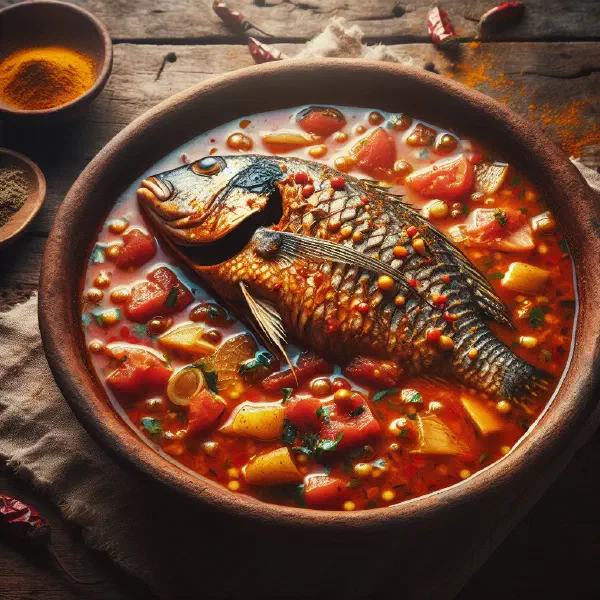
Discover Mlo wa Samaki, one of Tanzania’s great coastal treasures. Fresh fish simmered in silky coconut milk with garlic, ginger and a whisper of chilli makes for a dish that tastes of sunshine and sea breeze. It is quick enough for a weeknight yet impressive enough for guests, and it carries the unmistakable warmth of East African cooking. One spoonful and you are on the shore at Dar es Salaam.
About Mlo wa Samaki
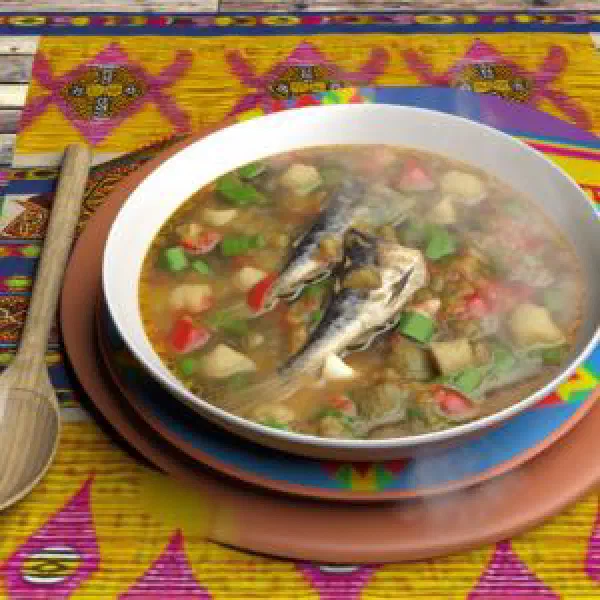
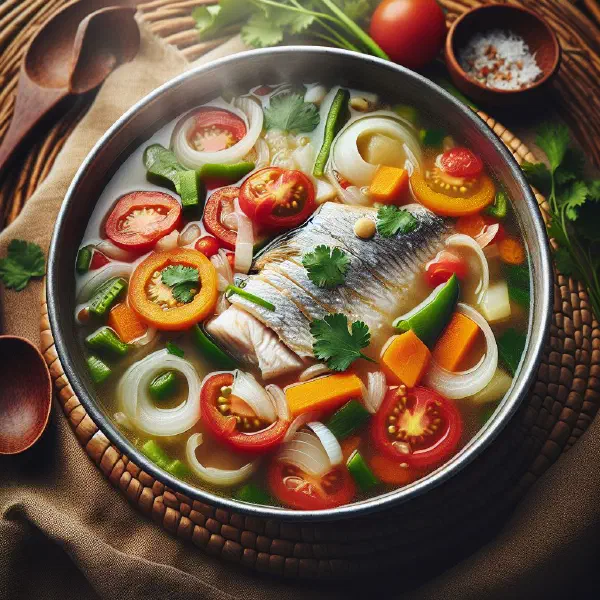
Mlo wa Samaki is a fragrant fish dish that brings together tender fillets and a creamy coconut milk sauce, lifted by a generous handful of spices. It reflects the rich culinary tradition of the East African coast and appeals to locals and visiting food lovers alike. The dish is usually served with rice or Ugali, both of which soak up the coconut sauce beautifully. What makes it sing is the quality of the produce, the fresh fish, herbs and coconuts that Tanzania has in abundance.
Ingredients (serves 1–2)
- 300 g fresh fish (tilapia or sea bream, for example)
- 1 cup coconut milk
- 1 onion, finely chopped
- 2 garlic cloves, crushed
- 1 teaspoon freshly grated ginger
- 1–2 green chillies, to taste
- Fresh coriander, to garnish
- Salt and pepper, to taste
- 2 tablespoons oil, for frying
Shopping for the ingredients
To make mlo wa samaki, a local market is by far the best place to shop. Fresh fish is the making of this dish, so buy it straight from a trusted fishmonger wherever you can. Coconut milk is easy to find tinned in most supermarkets, though freshly pressed is a real treat if you can get it. Do not skip the fresh herbs and root ginger either, coriander and ginger add the brightness that lifts the whole dish.
Preparing the dish
Clean the fish carefully and cut it into bite-sized pieces so it cooks through evenly. The onion, garlic and chillies want to be chopped finely, which spreads their flavour right through the sauce. Measure out the remaining ingredients too, so nothing holds you up once the pan is hot.
Step-by-step instructions
- Heat the oil in a frying pan and cook the onion until translucent.
- Add the garlic, ginger and chillies and fry briefly until fragrant.
- Add the pieces of fish and fry for about 5 minutes.
- Pour in the coconut milk, stir well and bring to the boil.
- Season with salt and pepper, then simmer gently over low heat for 10 minutes.
- Garnish with fresh coriander just before serving.
Gluten-free / lactose-free version
Mlo wa samaki is naturally gluten-free and easily made lactose-free as well. Because the creaminess comes from coconut milk rather than dairy, it already suits anyone who is lactose intolerant. Just check that the rest of your ingredients, particularly any stock or spice blends, are free from gluten and dairy too. Other plant-based creams work just as well if you want to experiment with the texture.
Tips for vegans and vegetarians
For a vegan or vegetarian version, simply replace the fish with tofu or a mixture of vegetables. Both take on the coconut and spice flavours wonderfully and give a genuinely satisfying result. Cook the vegetables so they keep a little bite, which gives the dish a better texture overall. That way everyone can enjoy the aromas and the cultural heart of this coastal classic, much like the plant-based Maharagwe Ya Nazi.
More tips and tricks
A few practical tricks will help you get the very best from mlo wa samaki. Try different varieties of fish, or add local spices to create new flavour notes. Vegetables such as spinach or peppers make the dish more substantial and add welcome colour. And always check your fresh ingredients carefully before cooking, with a dish this simple, quality is everything.
Adapting the recipe to your taste
The beauty of mlo wa samaki is how readily it adapts to personal preference. Like it hotter? Add more chillies. Prefer something zestier? A squeeze of lime juice brings a lovely brightness. The recipe is forgiving and flexible, so everyone can tune it to their own palate.
Ingredient substitutions
If certain ingredients are hard to find, there are always alternatives. Soya cream or another plant-based cream can stand in for coconut milk and still give you a rich, silky sauce. For the fish, sustainably caught fillets work perfectly, or you can turn to a vegan fish substitute if you prefer. Substitutions like these keep the dish delicious while suiting a range of diets.
Drink pairing ideas
Plenty of drinks complement mlo wa samaki nicely. A cool lime water or a crisp aperitif such as a gin and tonic balances the richness of the coconut. Wine drinkers should reach for a dry white, which echoes the fresh flavour of the fish. A chilled African lager also works beautifully and suits the spirit of the meal, as does a warming cup of Chai Ya Maziwa afterwards.
Serving and presentation ideas
Thoughtful presentation makes mlo wa samaki even more enjoyable. Serve it in a handsome bowl and garnish generously with fresh coriander and wedges of lime. A scattering of extra vegetables adds colour and makes the plate far more inviting. A well-laid table with a few simple sides turns the meal into a proper occasion.
A bit of history
Mlo wa samaki has deep cultural roots in Tanzania and shows how the country’s many communities have shaped one another’s cooking. The use of coconut milk and aromatic spices speaks of Dar es Salaam, the port city where culinary traditions from across the Indian Ocean met and merged. The dish tells the story of local fishermen and their skill in turning the day’s catch into something memorable. Sharing it matters too. It is a meal made for company, and a fine introduction to Tanzanian cuisine.
More recipe ideas
Summary: Mlo wa Samaki
Mlo wa samaki is an aromatic fish dish that captures the flavours of Tanzania in a wonderfully straightforward preparation. The marriage of coconut milk and fresh herbs creates a taste that lingers long after the plates are cleared. It is a genuine discovery. Give it a try and let the richness and variety of Tanzanian cooking win you over.