National Dish Tanzania: Mtuzi wa Samaki (Recipe)
In this article
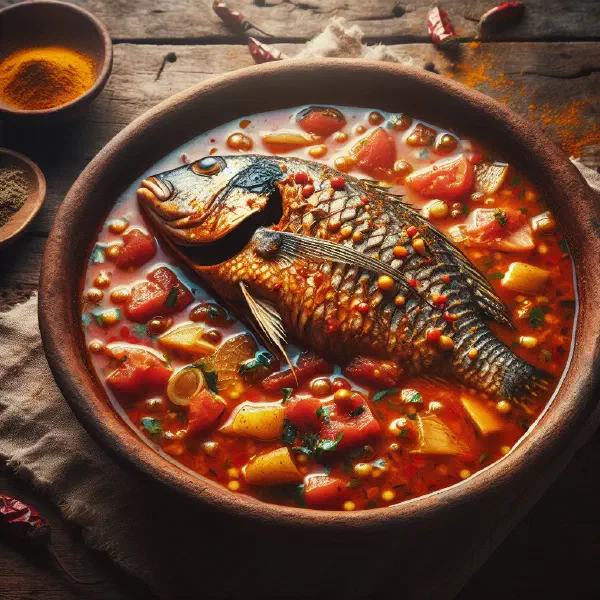
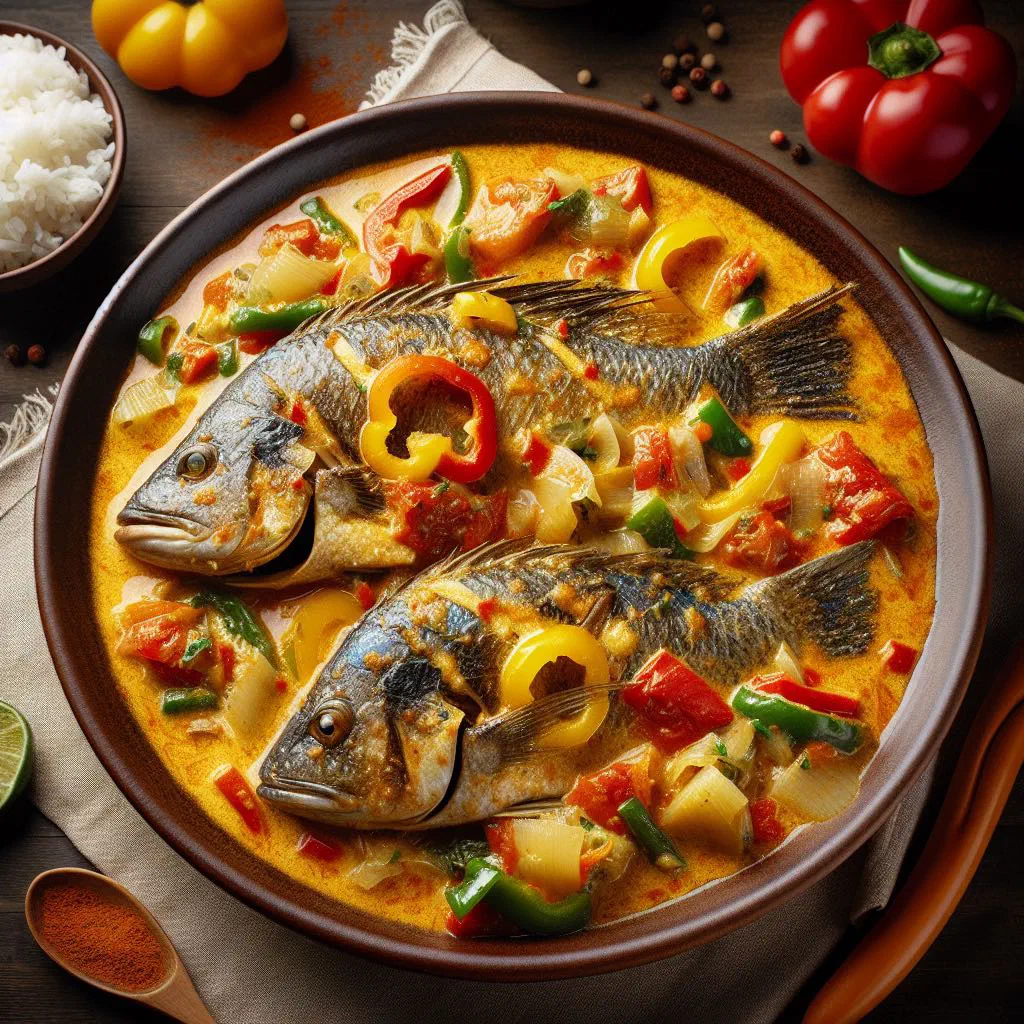
Meet Mtuzi wa Samaki, the fragrant fish stew that sums up everything wonderful about the Tanzanian coast. Whole fish simmers gently in a sauce of tomatoes, ginger, garlic and warm spices until it is meltingly tender and soaked through with flavour. It is the kind of dish that fills the kitchen with the scent of the Indian Ocean trade routes, generous, colourful and surprisingly simple to put together on an ordinary weeknight.
About Mtuzi wa Samaki
Mtuzi wa Samaki is a traditional Tanzanian fish dish that brings together the many flavours and spices of the country in one pan. It is exceptionally tasty and a reflection of Tanzania’s rich culinary culture, shaped by centuries of coastal trade. With its combination of fresh fish, aromatic spices and a handful of everyday vegetables, it wins over locals and visitors alike. It makes an excellent choice for celebrations, and an equally good one for a satisfying family meal.
Ingredients (serves 1–2)
- 1–2 fresh fish (tilapia or sea bream, for example)
- 2–3 tomatoes, diced
- 1 onion, finely chopped
- 2 cloves of garlic, crushed
- 1 piece of ginger, grated
- 1–2 green chillies, deseeded and chopped
- 2–3 tablespoons oil (coconut or vegetable)
- 1 teaspoon turmeric
- 1 teaspoon cumin
- Salt and pepper to taste
- Fresh coriander, to garnish
Shopping for the ingredients
To make an authentic Mtuzi wa Samaki, the quality of the ingredients really matters. Fresh fish is decisive, since it sets the tone for the whole dish. Visit a local market or a good fishmonger to be sure you are getting the freshest catch of the day. Your spices should be fresh too, so they release their full aroma and give the dish that unmistakable East African character, the same principle that lifts a plate of Samaki wa Kupaka.
Preparing the dish
Careful preparation can make all the difference to the depth of flavour here. Begin by cleaning the fish thoroughly and filleting it if you prefer. Vegetables such as tomatoes, onions and chillies should be fresh and cut into even pieces so that everything cooks at the same rate. Have your spices measured out and ready before you start, as this makes the cooking itself far more relaxed.
Step-by-step instructions
- Heat the oil in a frying pan over a medium heat.
- Add the onions and garlic and fry until lightly golden.
- Stir in the grated ginger and the chillies and cook briefly.
- Add the diced tomatoes and the spices — turmeric, cumin, salt and pepper — and let the mixture simmer until the tomatoes have softened.
- Lay the fish in the pan and spoon the tomato and spice mixture over it. Cover the pan and cook for around 15–20 minutes.
- Serve garnished with fresh coriander.
Gluten-free / lactose-free version
Mtuzi wa Samaki is naturally gluten-free and lactose-free, which makes it a great option for anyone with these dietary needs. You can enjoy it exactly as written, without any special adjustments. Do check that any spice blends or stocks you use are certified gluten-free, however, to rule out cross-contamination. The dish stays every bit as flavourful and wholesome, with no compromise on aroma.
Tips for vegans and vegetarians
For anyone eating vegan or vegetarian, there are creative ways to adapt Mtuzi wa Samaki. Instead of fish, use firm vegetables such as courgette or aubergine, which soak up the spices beautifully, much as they do in Biringanya Curry. Tofu or tempeh makes a good additional source of protein and takes on the spice mixture readily. Let your imagination run and experiment with different vegetables to reinterpret this traditional dish.
More tips and tricks
One key tip for an even tastier Mtuzi wa Samaki is to cook it slowly over a low heat, which allows the spices to deepen and intensify. Be careful not to let the sauce reduce too far, or the fish will end up dry. A squeeze of fresh lemon just before serving adds a bright, refreshing note. Try a few variations until you have found your own favourite version.
Adapting the recipe to your taste
Tailoring Mtuzi wa Samaki to personal preference is straightforward. You can dial the heat up or down simply by adjusting the amount of chilli. Different types of fish work well too, snapper and mackerel are both excellent choices. Regional ingredients from wherever you happen to live can also bring a new twist to the pan. Swapping ingredients creatively is what makes each version taste distinctly your own.
Ingredient substitutions
If you do not have every ingredient for Mtuzi wa Samaki to hand, there are plenty of alternatives. Frozen fish works perfectly well in place of fresh, though it may be a touch less delicate in texture. Instead of cumin, experiment with spice blends that offer similar warm, earthy notes. Use the flexibility the recipe offers to shape it around what is available in your kitchen.
Drink pairing ideas
The right drink completes the experience of Mtuzi wa Samaki. A cool, fruity beer or a refreshing white wine both go splendidly with this hearty dish. A traditional African herbal tea or a glass of freshly pressed fruit juice is an equally good choice, and a spiced milky tea such as Chai ya Maziwa rounds off the meal nicely. Experiment with different drinks until you find your perfect combination.
Serving and presentation ideas
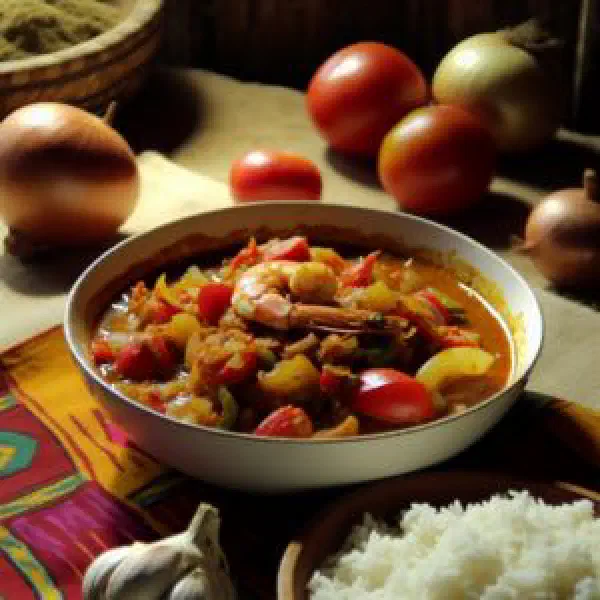
Presentation can lift the whole Mtuzi wa Samaki experience considerably. Serve the dish in a traditional ceramic bowl or on a brightly coloured plate to bring out the vivid colours of the ingredients. Fresh coriander and lemon wedges make a simple, effective garnish, and a sharp tomato and onion salad such as Kachumbari alongside adds both freshness and contrast. Remember that we eat with our eyes first, an appealing plate builds the anticipation.
A bit of history
The roots of Mtuzi wa Samaki reach deep into the culture and traditions of Tanzania. Fish has historically been a staple thanks to the country’s long coastline and its great lakes, and the spice trade of Zanzibar left its mark on the seasoning. The dish reflects everyday eating habits and the importance of fishing and farming to the Tanzanian economy. It has continued to evolve over the years, and distinct variations can be found across the different regions of Tanzanian cuisine.
More recipe ideas
Summary: Mtuzi wa Samaki
In short, Mtuzi wa Samaki is a captivating fish dish that celebrates the flavours and the culture of Tanzania. With fresh ingredients, aromatic spices and room for creative adjustments, anyone can recreate it at home. This traditional recipe offers a memorable eating experience. Let its versatility inspire you and dive into the delicious world of the Tanzanian coast.