National Dish Tanzania: Ndizi (Recipe)
In this article
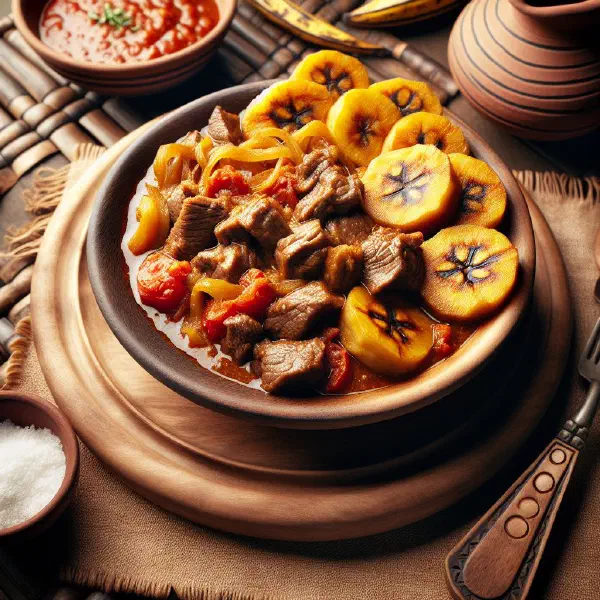
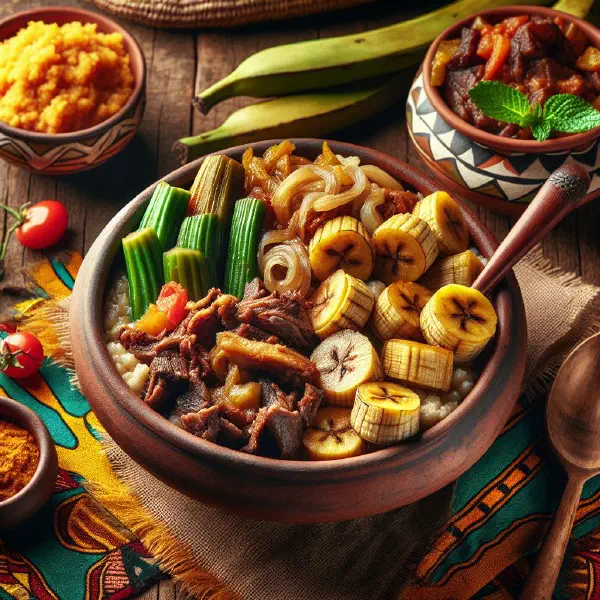
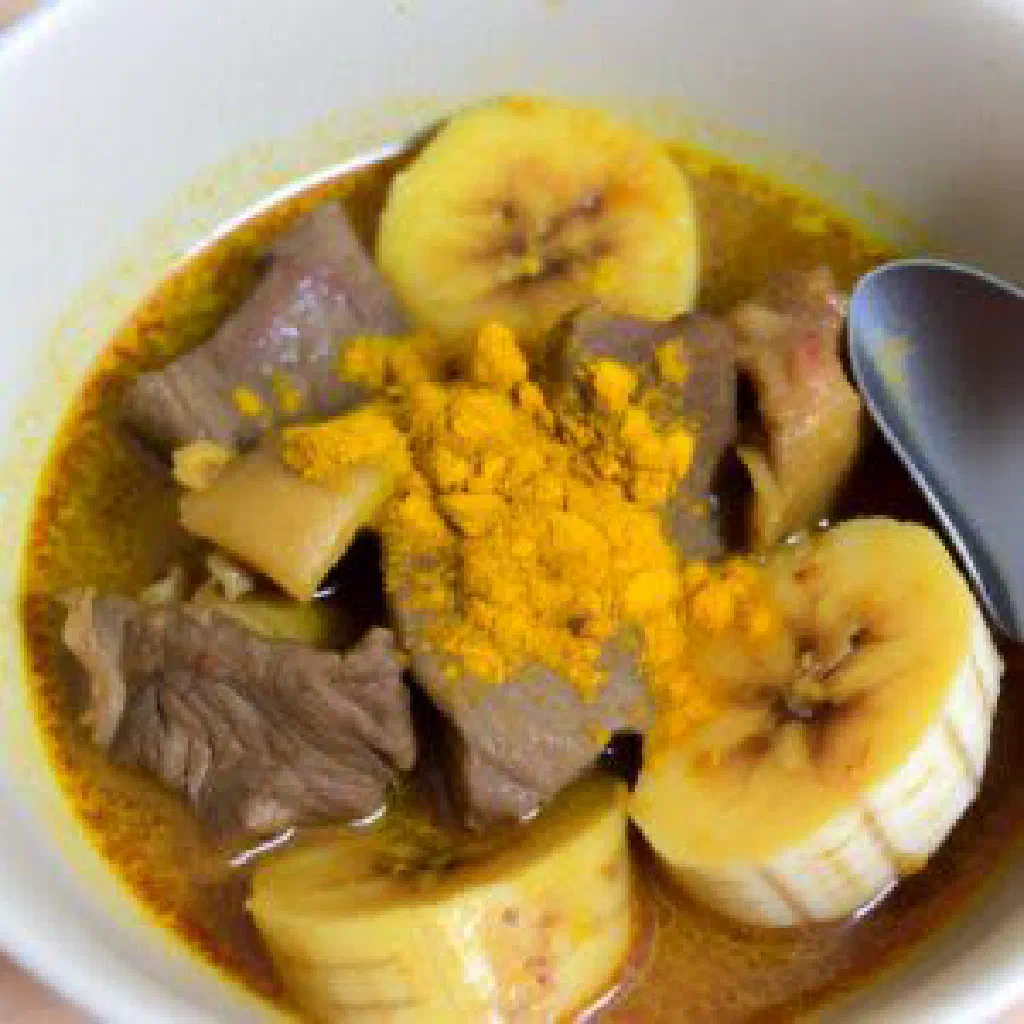
Discover Ndizi, the comforting banana pan from Tanzania. Firm green bananas are simmered gently with meat or vegetables until they turn tender and soak up a warm, golden turmeric sauce. It is a genuinely simple one-pot dish, yet it carries the full character of East African home cooking. Bring a little of Tanzania’s flavour and tradition into your own kitchen.
About Ndizi
Ndizi is a traditional Tanzanian dish known above all for its gentle, moreish flavour and its use of unripe bananas. The banana is a staple across the country, and ndizi is one of the loveliest ways to show it off. It is often combined with different cuts of meat or with vegetables, which makes it a wonderfully versatile dish. In Tanzania, ndizi is more than something to eat: it is part of the country’s cultural identity and frequently appears at festive gatherings, much like a platter of Nyama Choma.
Ingredients (serves 1–2)
- 3 unripe bananas
- 200 g meat (beef or chicken)
- 1 onion
- 2 garlic cloves
- 1 tablespoon oil
- Salt and pepper
- 1 teaspoon turmeric
- Water, as needed
Shopping for the ingredients
When shopping for ndizi it pays to pick fresh, sound produce. Green, thoroughly unripe bananas are the key to the dish: they have the right flavour and, just as importantly, the firm texture that stops them collapsing during the slow simmer. Look for them in African, Caribbean or Asian grocers, where they are often sold as cooking bananas. The meat can be bought fresh from a butcher or taken from the freezer, whichever suits you best.
Preparing the dish
Getting ready for ndizi is remarkably easy and takes very little effort. Peel the bananas first and cut them into thick slices. Dice the meat into small pieces, and chop the onion and garlic cloves finely. A tidy bit of preparation makes the cooking far more efficient and helps every flavour come through properly once everything meets in the pot.
Step-by-step instructions
- Heat the oil in a large pot and add the onions. Fry them until golden brown.
- Add the meat and brown it well on all sides.
- Stir in the chopped garlic and let it cook briefly.
- Add the sliced bananas to the pot and sprinkle over the turmeric, salt and pepper.
- Pour in enough water to cover the ingredients and let everything simmer over a medium heat until the bananas are soft.
Gluten-free / lactose-free version
Ndizi is naturally gluten-free and lactose-free, which makes it an excellent choice for anyone with an intolerance. It contains no gluten-bearing grains and no dairy at all. The only thing to watch is the meat: make sure it has not been marinated in a sauce that might contain gluten. Good-quality fresh ingredients are the surest way to keep unexpected allergens out of the pot.
Tips for vegans and vegetarians
Vegan and vegetarian versions of ndizi are easy to put together by swapping the meat for vegetables or tofu. Add a few extra spices and aromatics to make up for the depth the meat would otherwise bring. Sturdier vegetables such as carrots, beans or courgettes work beautifully here, in much the same way they do in a bowl of Mchemsho. That way vegans and vegetarians can enjoy this traditional dish too.
More tips and tricks
To deepen the flavour of ndizi, experiment with different spices. Ginger or chilli will add a pleasant warmth without masking the banana. It is also well worth finishing with fresh herbs such as coriander or parsley to lift the whole pot. Playing with the texture of the bananas, leaving them a little firmer or cooking them until they are very soft, gives you interesting variations in the final result.
Adapting the recipe to your taste
Every cook has their own preferences, and ndizi is no exception. Adjust the amount of turmeric or the other spices as you see fit. If you like the dish a touch sweeter, a pinch of sugar or a spoonful of honey works nicely. Whatever changes you make, the underlying character of ndizi always shines through and remains the highlight.
Ingredient substitutions
If you do not have particular ingredients to hand, there are usually good alternatives. The meat, for example, can be replaced with a plant-based protein such as chickpeas. For the bananas, combining or swapping in other starchy vegetables like sweet potatoes makes for an interesting change of flavour, a trick that also works well in Matoke. Experiment freely until you land on your own personal ndizi recipe.
Drink pairing ideas
Several drinks suit ndizi very well. A refreshing lemon water or a fruity fruit juice alongside complements the flavours nicely. Traditional Tanzanian tea, in the form of a milky Chai Ya Maziwa, is another excellent choice for rounding off the meal. Pairings like these help balance the warm spice on the palate in a pleasant way.
Serving and presentation ideas
To serve ndizi attractively, arrange it on a colourful plate and garnish it with fresh herbs. A small bowl of chilli paste or a spicy dip on the side goes down very well, as does a sharp, fresh salad such as Kachumbari. Adding a few slices of fresh citrus lends another appealing note. The key to good presentation lies in a variety of colours and a clean, uncluttered arrangement.
A bit of history
Ndizi has its roots in Tanzanian culture and is shaped strongly by the agriculture and traditions of the region. Locals have been putting unripe bananas to use in all sorts of dishes for centuries. Originally conceived as a nourishing, filling meal for people working in the fields, it has established itself over the years as a favourite at the table. Ndizi reflects what Tanzanians like to eat and the wider social and cultural fabric of Tanzanian cuisine.
More recipe ideas
Summary: Ndizi
In short, ndizi is a good traditional dish that captures the flavours of Tanzania in one straightforward pot. The use of unripe bananas alongside meat or vegetables makes it both versatile and genuinely nourishing. Share this wonderful dish with friends and family to bring a little of Tanzania’s culture to your table.