National Dish Tanzania: Pilau la Kuku (Recipe)
In this article
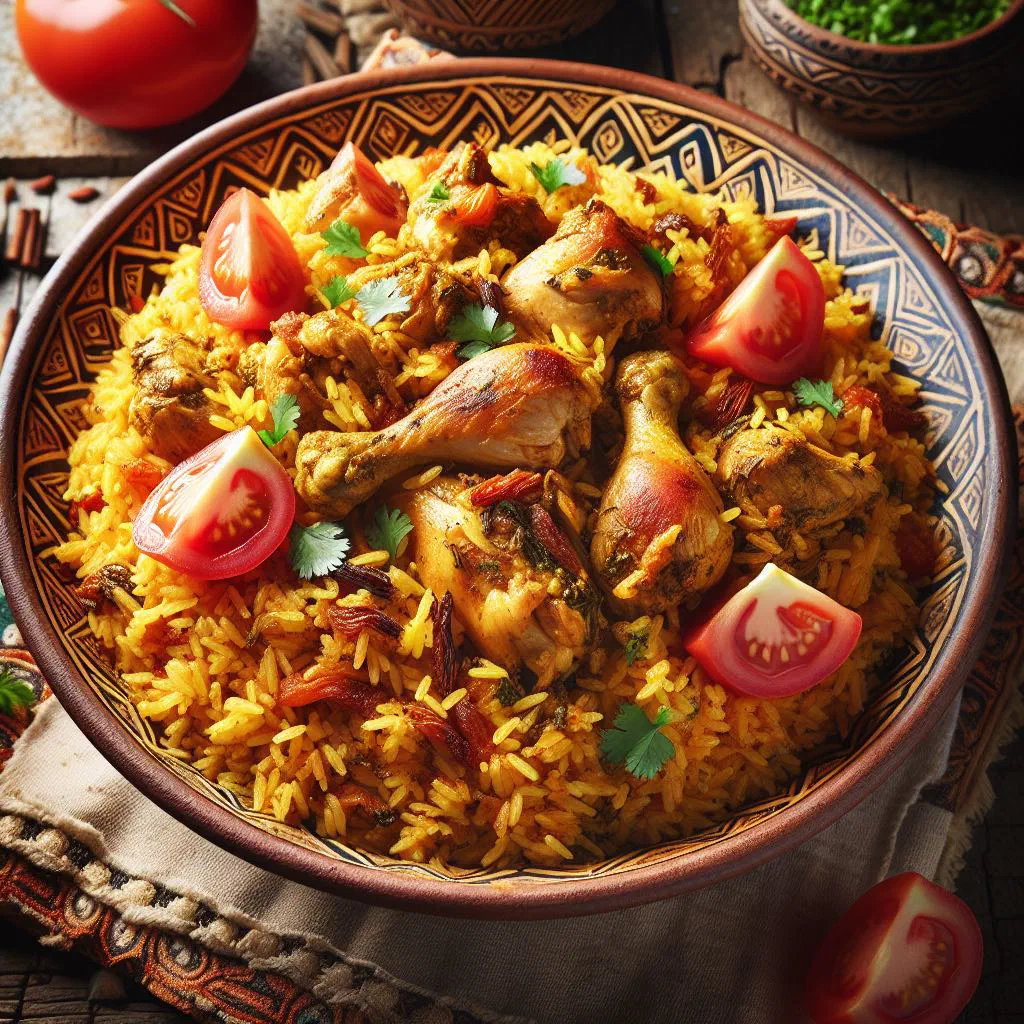
Meet Pilau la Kuku, the fragrant chicken-and-rice dish that fills Tanzanian kitchens with the scent of cardamom and cinnamon. Born on the Swahili coast where African, Arab and Indian cooking traditions meet, it turns a handful of everyday ingredients into something genuinely celebratory. It is the dish that appears at weddings, holidays and long Sunday lunches, and it is far easier to make at home than its complex aroma suggests.
About Pilau la Kuku
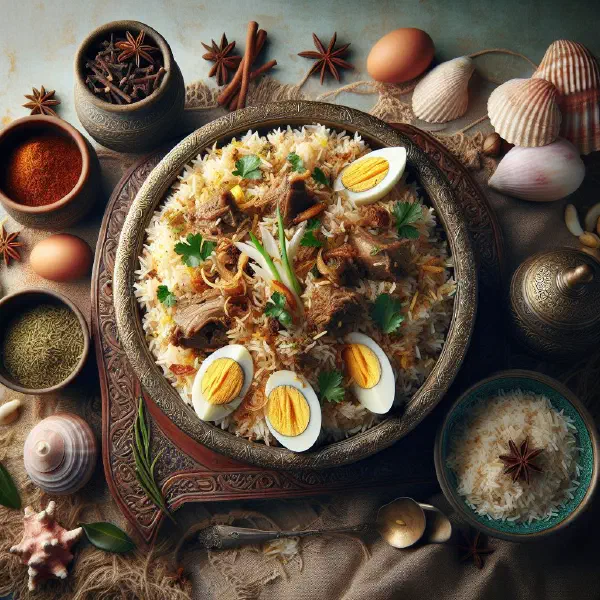
Pilau la Kuku is a traditional and hugely popular dish from Tanzania, with its roots firmly in Swahili cuisine. This aromatic rice dish pairs tender chicken with a whole cabinet of warm, exotic spices that together create an unmistakable flavour. The point of the dish is not simply to fill you up but to wake up the senses. It is served with particular enthusiasm at festive occasions and family gatherings, bringing a piece of East African culture to the table.
Ingredients (serves 1–2)
- 200 g basmati rice
- 300 g chicken, cut into pieces
- 1 onion, finely chopped
- 2 cloves of garlic, chopped
- 1 piece of fresh ginger, grated
- 1 tsp cumin
- 1 tsp cardamom
- 1 tsp cinnamon
- 1 tsp turmeric
- 500 ml chicken stock
- 2 tbsp vegetable oil
- Salt and pepper to taste
- Fresh coriander leaves, to garnish
Shopping for the ingredients
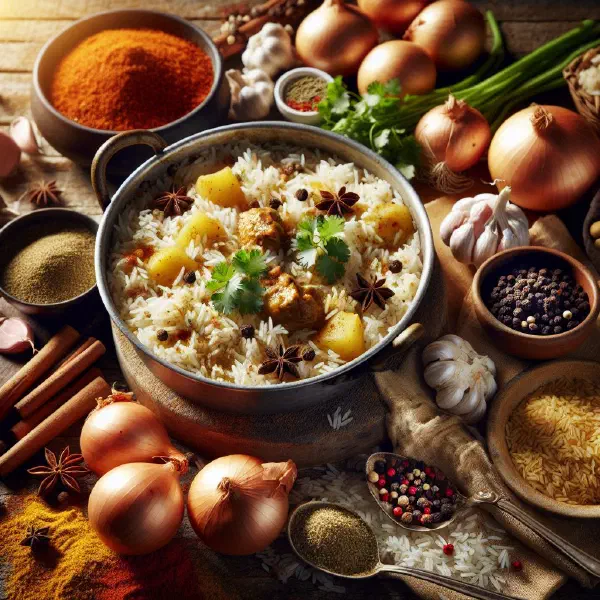
To cook a proper pilau la kuku you need a few specific ingredients, most of which you will find in a well-stocked supermarket or at a local market. Pay particular attention to the rice: basmati is ideal because the grains stay loose and fragrant as they cook. The spices carry the whole dish and should be as fresh as possible so their aromas come through at full strength. Alongside these basics, it is worth keeping fresh herbs such as coriander to hand to round the dish off.
Preparing the dish
Preparation for pilau la kuku is straightforward but genuinely decides the final result. Start by rinsing the rice in cold water to wash away the surplus starch that would otherwise make it sticky. Season the chicken well, and marinate it if you have time, so it takes on the flavours properly. Chop the onions and garlic in advance too, since they form the aromatic base of the whole pot, much the same groundwork that goes into a Biryani.
Step-by-step instructions
- Heat the vegetable oil in a large pan and fry the onions until translucent.
- Add the garlic and ginger and fry briefly until fragrant.
- Add the chicken pieces and brown them on all sides until golden.
- Stir in the spices (cumin, cardamom, cinnamon, turmeric) so they coat the chicken evenly.
- Add the rinsed rice and fry it briefly so it absorbs the spices.
- Pour in the chicken stock, bring to the boil, then lower the heat.
- Cover the pan and leave to simmer for about 20 minutes, until the rice is tender.
- Garnish with fresh coriander leaves before serving and enjoy.
Gluten-free / lactose-free version
Pilau la kuku is naturally gluten-free and lactose-free, since it consists chiefly of rice and chicken, neither of which contains either. If you are sensitive to gluten, however, do check the chicken stock and make sure it is certified gluten-free. Vegetable stock works as an alternative and adds another layer of flavour at the same time. That way anyone with an intolerance can enjoy the dish without giving up any of its character.
Tips for vegans and vegetarians
Adapting pilau la kuku for vegan and vegetarian cooks is simple. Replace the chicken with roasted vegetables such as peppers, carrots and courgettes, or use tofu to bring both texture and protein to the pot. The chicken stock can likewise be swapped for a good vegetable stock to keep the flavour full and rounded. Experiment with different vegetables to give the dish your own signature, the spirit of Mchicha and other vegetable classics of the coast.
More tips and tricks
To make pilau la kuku even better, play with additional spices or adjust the cooking time to suit your pan. A pinch of chilli lends the dish a pleasant heat without overwhelming the warm spices. Take care not to overcook the rice, as the perfect fluffy texture is what sets a good pilau apart. A small squeeze of lemon juice just before serving intensifies the aroma and freshens the whole plate.
Adapting the recipe to your taste
Add toasted nuts or dried fruit, for example, for a gently sweet note. A range of vegetables can go in as well, depending on the season and on what is available. Let your creativity run and try different variations until you have the version that suits you and your guests best.
Ingredient substitutions
If you do not have every ingredient for pilau la kuku to hand, there are plenty of alternatives. Rice can be replaced with quinoa or couscous, which brings new textures and flavours into play. For the spices, a ready-made garam masala blend saves time while still delivering the warmth the dish needs. Bear in mind that every substitution shifts the overall flavour, so adjust the cooking time and quantities accordingly.
Drink pairing ideas
A number of drinks complement pilau la kuku beautifully. A refreshing mango smoothie or a fruity cocktail makes an excellent choice, while fresh mint tea adds a soothing note that cuts through the spices. A sweet, milky Chai Ya Maziwa is the most traditional pairing of all. Depending on your preference, a light beer or simple sparkling water also lets the flavours of the dish speak for themselves.
Serving and presentation ideas
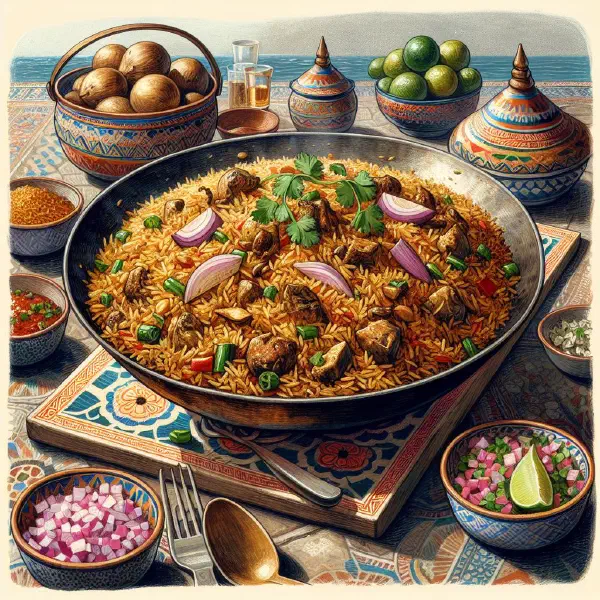
Presentation can lift the enjoyment of pilau la kuku considerably. Serve it in a handsome bowl and garnish with fresh coriander leaves and perhaps a scattering of toasted nuts for extra crunch. Colourful side dishes help too, a crisp tomato-and-onion Kachumbari is the classic partner and brightens the plate instantly. First impressions count, and an inviting presentation builds anticipation before the first mouthful.
A bit of history
Pilau la kuku has a history bound up with the culinary traditions of the Swahili coast. Arab and Indian influences are unmistakable in both the spicing and the method, carried across the Indian Ocean by centuries of trade. Historically the dish was reserved for special occasions, and it remains a fixture at celebrations today. Its use of local ingredients reflects the diversity and richness of Tanzanian cuisine and shows how the recipe has been handed down across generations.
More recipe ideas
Summary: Pilau la Kuku
Pilau la kuku is more than a rice dish. It is an expression of Tanzanian culture and hospitality. The generous range of spices and the tender pieces of chicken make it a feast that satisfies the senses as much as the appetite. Whether for a festive occasion or a relaxed weeknight dinner, it adapts easily to different tastes and dietary needs. Let the aromas of Tanzania inspire you and treat yourself and your guests to this delicious classic.