National Dish Tanzania: Pilau (Recipe)
In this article
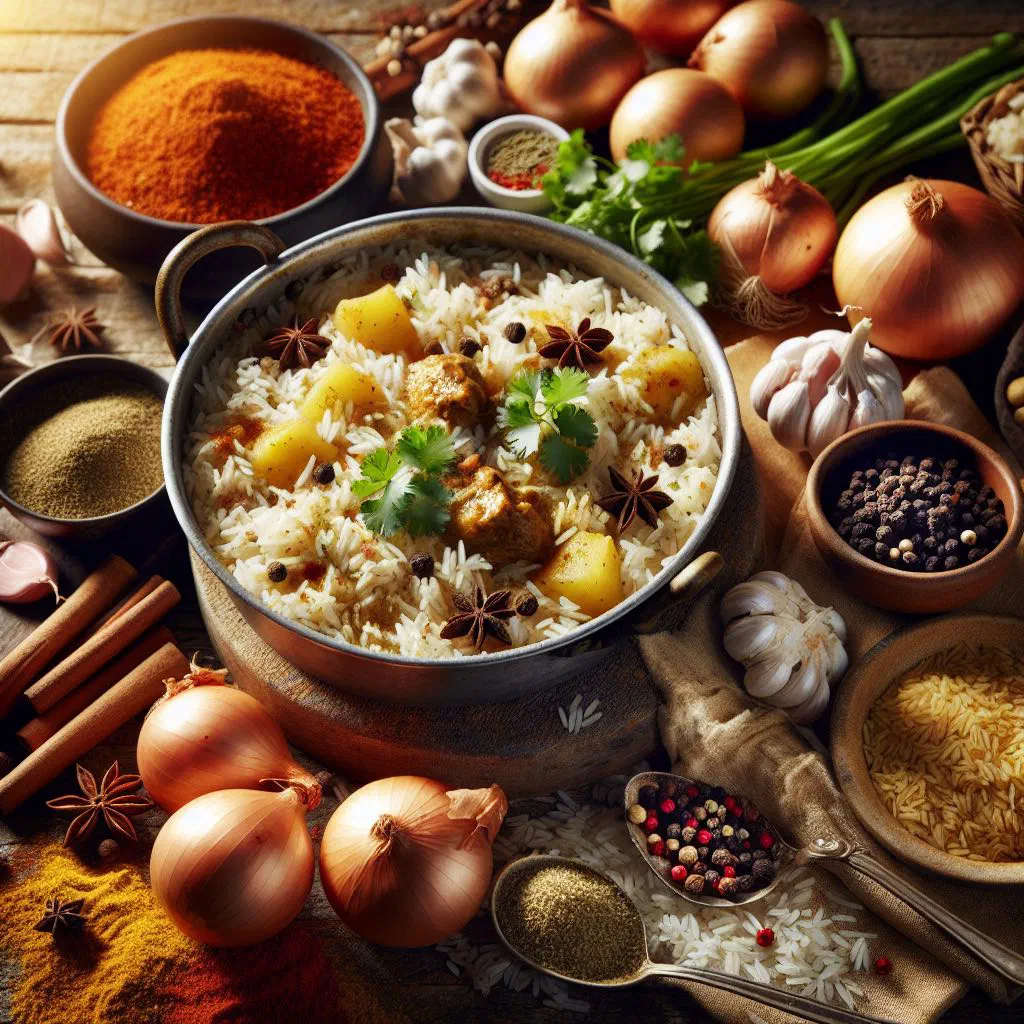
Discover Pilau, Tanzania’s great celebration dish, a fragrant rice that fills the whole kitchen with the scent of cinnamon, cloves and cardamom. Slow-browned onions, tender meat and sweet vegetables are folded through the grains until every spoonful carries the warmth of the East African coast. It is festival food and weeknight comfort in equal measure, and it is far easier to make than its perfume suggests.
About Pilau
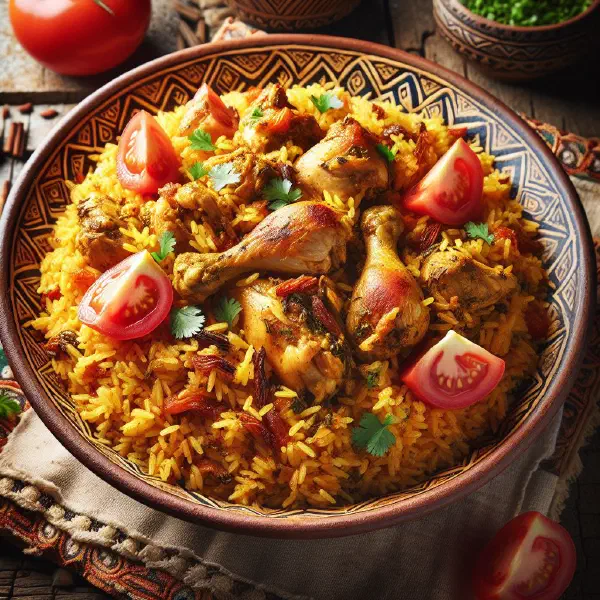
Pilau is a true feast of aromas and one of the best-loved dishes in Tanzania. The rice is traditionally cooked with a generous range of spices, meat and vegetables, which makes it an ideal choice for any festive occasion. The combination of cinnamon, cloves and cardamom gives it an unmistakable, deep flavour that lifts the dish into something memorable. Whether for a wedding, a holiday or simply a very good supper, pilau appeals to visitors and locals alike.
Ingredients (serves 1–2)
- 1 cup basmati rice
- 200 g chicken or beef, diced
- 1 onion, finely chopped
- 2 garlic cloves, crushed
- 1 teaspoon ground cinnamon
- 1 teaspoon ground cloves
- 1 teaspoon ground cardamom
- 2 cups vegetable stock
- 1 carrot, diced
- Peas (fresh or frozen)
- 2 tablespoons vegetable oil
- Salt and pepper to taste
Shopping for the ingredients
If you are planning to cook pilau, start by writing a list of everything you need. Most of the ingredients are easy to find and available in ordinary supermarkets. The spices in particular, cinnamon, cloves and cardamom, can also be tracked down in specialist Asian or African grocery shops, where they are usually fresher and better value. Fresh regional vegetables and meat improve the flavour and support local producers.
Preparing the dish
Before the actual cooking begins, it is important to prepare everything. That means dicing the meat, cutting the vegetables small and lining up all the spices within reach. This groundwork keeps the cooking calm and unhurried and helps you experience the true flavour of pilau. You should also wash the rice thoroughly to remove excess starch and get the very best from the dish, the same care that pays off in a Wali Wa Nazi.
Step-by-step instructions
- Heat the vegetable oil in a large pot and fry the onions until golden brown.
- Add the diced meat and fry until cooked through.
- Stir in the garlic and all the spices and cook briefly to release the aromas.
- Add the washed rice and mix well so the grains take up the spices.
- Pour in the vegetable stock, add the vegetables, bring to the boil and then reduce the heat.
- Cover the pot and let the rice simmer for about 20 minutes, until the liquid has been absorbed.
Gluten-free / lactose-free version
The recipe for pilau is naturally gluten-free and lactose-free, provided you use the right ingredients. Take care not to add sauces or ready-made products that might contain gluten or lactose. With pure vegetable oil and fresh vegetables the dish stays light and easy to digest.
Tips for vegans and vegetarians
Vegans and vegetarians can adapt pilau very easily by leaving out the meat and using extra vegetables, tofu or pulses instead. These alternatives keep the dish high in protein while remaining full of flavour. It is also a good idea to add an extra handful of vegetables so the result feels even more generous, much as in a hearty Maharagwe Ya Nazi. With these adjustments, pilau becomes a fine addition to any plant-based diet.
More tips and tricks
A few tricks make all the difference to a perfect pilau. First, wash the rice thoroughly to remove excess starch and avoid a sticky result. Using good-quality spices, ideally ground shortly before cooking, also improves the flavour considerably. Let the dish rest for a few minutes after cooking before you serve it. The aromas settle and spread, and the rice turns out lighter and fluffier.
Adapting the recipe to your taste
Pilau is an extremely adaptable dish and easy to tailor to personal preference. Add more vegetables or your own spice combinations to give it a signature note. You can also vary the meat to explore different flavours, or take it towards the coast with the coconut richness of a Kuku Paka. Give your creativity free rein and build a pilau that suits your own taste exactly.
Ingredient substitutions
If you do not have every ingredient to hand, there is no need to worry. There is always an alternative. Instead of basmati rice you can use jasmine rice for a similar flavour and texture. For the vegetables, use whatever is in season or whatever you happen to enjoy. It is also worth looking through your spice cupboard to see what else you might try to enrich the dish.
Drink pairing ideas
Drinks matter a great deal when it comes to rounding off the pilau experience. A classic Tanzanian fruit juice made from mango or pineapple goes beautifully with the spiced rice. A lightly chilled white wine also makes a refreshing companion. For an authentic touch, serve a Tanzanian tea flavoured with vanilla or cinnamon, a delicious complement to your pilau, and a fine reason to try Chai Ya Maziwa.
Serving and presentation ideas
The way you present your pilau can improve the whole meal considerably. Serve it in an attractive serving bowl, perhaps decorated with fresh herbs or wedges of lemon. Give the table an African flourish with colourful napkins or patterned crockery, and set out a sharp tomato-and-onion salad such as Kachumbari alongside.
A bit of history
The roots of pilau reach deep into both African and Asian cooking. Originally inspired by Persian and Indian traditions, the dish evolved over the centuries in many different regions. In Tanzania, pilau reflects the culinary fusion of cultures shaped by trade across the Indian Ocean and by colonial history. That story gives the dish real depth and makes it one of the great experiences of Tanzanian cuisine.
More recipe ideas
Summary: Pilau
In short, pilau is more than just a dish; it is a tour through the flavours of Tanzania. The perfect combination of spices, vegetables and rice makes it a special meal, equally suited to festive occasions and to everyday enjoyment. With the tips and suggestions above you can create your own pilau and bring the richness of African food culture straight into your kitchen. Let the aromas work their magic and enjoy this wonderfully fragrant dish.