National Dish Tanzania: Samaki wa Kupaka (Recipe)
In this article
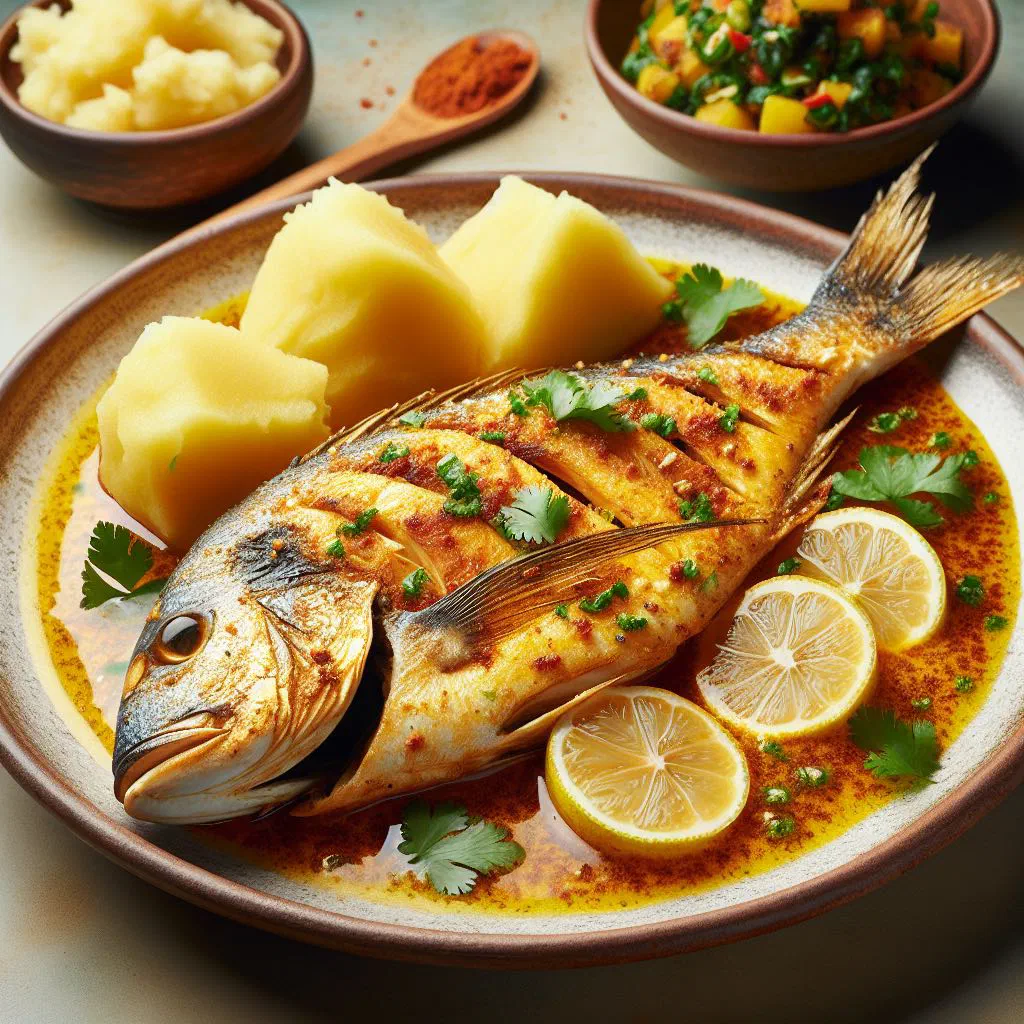
Meet Samaki wa Kupaka, the fragrant coconut fish that defines Tanzania’s Indian Ocean coastline. Tender fillets are bathed in a silky, spiced coconut sauce brightened with lemon and fresh coriander, a dish that tastes of sea breeze, trade winds and Swahili kitchens. It is surprisingly quick to make, yet impressive enough for a celebration table. One forkful and you will understand why this is a coastal classic.
About Samaki wa Kupaka
Samaki wa Kupaka is a traditional Tanzanian fish dish built around a creamy coconut sauce. It is beloved right along the East African coast and stands out for its distinctive flavour and deep, layered aromas. The combination of fish, warming spices and coconut creates a taste experience that charms the palate and the senses alike. Whether for a festive dinner or a special occasion, Samaki wa Kupaka always earns its place at the table.
Ingredients (serves 1–2)
- 2 fish fillets (tilapia or sea bream, for example)
- 1 tin coconut milk
- 2 tablespoons groundnut or sunflower oil
- 1 onion, finely chopped
- 2 garlic cloves, crushed
- 1 teaspoon fresh ginger, grated
- 2 teaspoons curry powder
- 1 teaspoon paprika
- Juice of 1 lemon
- Salt and pepper to taste
- Fresh coriander, to garnish
Shopping for the ingredients
To make Samaki wa Kupaka well, it is worth buying good-quality ingredients. Visit your local market or a fishmonger for fresh fillets, and make sure the coconut milk comes from a pure source for the best flavour. Spices should be fresh too, since they shape the aroma of the dish more than anything else. If you enjoy shopping this way, the same coastal markets supply everything you need for a Mchuzi wa Kamba.
Preparing the dish
Once you have shopped, plan the cooking carefully. Start with the onion and the garlic, as these form the base of the flavour. The fish should be cleaned well and patted dry so the sauce clings properly. If you would like garnishes such as coriander, wash and pick the leaves now to make the rest of the process easier.
Step-by-step instructions
- Heat the oil in a pan and add the onions. Fry until golden brown.
- Add the garlic and ginger and fry both for about a minute.
- Scatter in the curry powder and paprika and stir well so the spices can open up.
- Pour the coconut milk into the pan and bring the mixture to the boil.
- Reduce the heat, lay the fish fillets in the sauce and let everything simmer for 10–15 minutes, until the fish is cooked through.
- Season with lemon juice, salt and pepper, and garnish with fresh coriander.
Gluten-free / lactose-free version
Samaki wa Kupaka is naturally gluten-free and lactose-free, which makes it a great option for anyone with those intolerances. Even so, check that all your ingredients, especially the coconut milk and spice blends, contain no hidden gluten or lactose. Reading labels closely is the surest way to know the products are completely clean.
Tips for vegans and vegetarians
Although Samaki wa Kupaka is a fish dish, vegans and vegetarians can try an alternative version. Instead of fish, use tofu or vegetables such as courgette and aubergine. Marinate the plant-based alternatives in the same coconut sauce so the flavours work their way through. Prepared this way, the dish fits a plant-based diet without giving up any of its delicious character.
More tips and tricks
To get the most out of your Samaki wa Kupaka, experiment with different spice combinations. Ras el hanout or garam masala can add interesting accents. Use freshly squeezed lemon juice or lime juice for extra freshness. Serve the dish with rice or with flatbread such as Chapati so you can mop up every last spoonful of the sauce.
Adapting the recipe to your taste
Samaki wa Kupaka adapts beautifully to personal preference. If you like a bit more heat, add fresh chilli or chilli powder. Alternatively, adjust the sweetness of the coconut milk by stirring in a spoonful of sugar or honey. When choosing the fish, seasonal varieties work well and keep the dish fresh and varied throughout the year.
Ingredient substitutions
If some ingredients are hard to find, there is plenty of room to adapt. Instead of coconut milk you can use soya or almond milk, though the flavour will shift slightly. Different fish such as salmon or trout make an interesting variation as well. It is also worth browsing local markets, where you may find regional fish that are fresh and full of flavour, the same approach that works for Samaki wa Nazi.
Drink pairing ideas
Refreshing drinks go wonderfully with Samaki wa Kupaka. A cold lemonade or a fruity mocktail with pineapple and mint complements the flavours perfectly. Wine lovers should reach for a white wine or a rosé, which underlines the lightness of the dish. Experiment with different drinks to round out the whole culinary experience.
Serving and presentation ideas
Presentation can lift the enjoyment of Samaki wa Kupaka considerably. Serve the dish on a handsome plate, garnished with fresh coriander and lime slices. Add a side of fresh vegetables to bring in extra colour and texture. Small bowls of additional sauces or side dishes liven the whole thing up and make the menu feel more generous.
A bit of history
Samaki wa Kupaka has its roots in the coastal culture of Tanzania, where the catch is cooked fresh from the sea. The pairing of coconut and spices is a legacy of Swahili cuisine, shaped strongly by the trade routes of the Indian Ocean. That blend of cultures produced a singular and delicious dish that is appreciated worldwide today, and it remains one of the finest expressions of Tanzanian cuisine. The history and traditions behind it turn every meal into a cultural experience.
More recipe ideas
Summary: Samaki wa Kupaka
In short, Samaki wa Kupaka is a flavourful dish that captures the authentic taste of Tanzania. The combination of fish, coconut milk and spices makes for a memorable eating experience. Cooking it brings a piece of East Africa to your table. Let the variety and aroma of this speciality win you over, and enjoy the history that comes with it.