National Dish Tanzania: Samaki wa Mchuzi (Recipe)
In this article
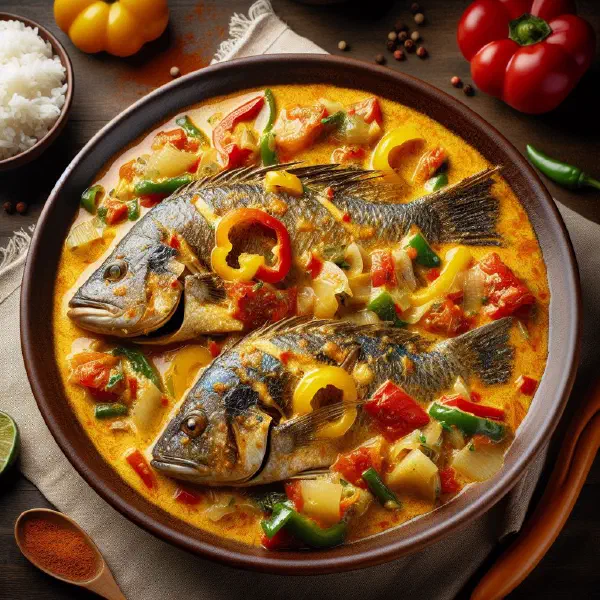
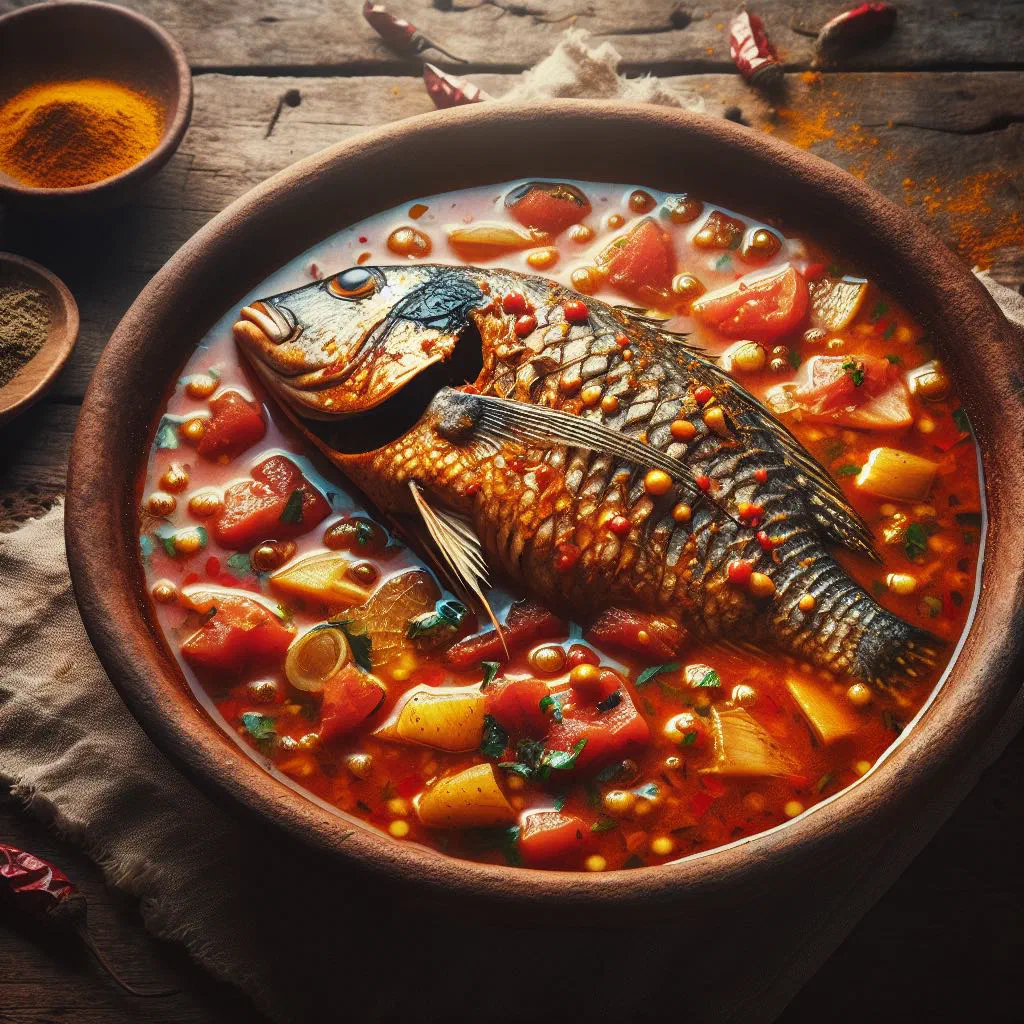
Meet Samaki wa Mchuzi, the fragrant fish curry that sits at the heart of the Tanzanian table. Tender fillets are gently poached in a silky sauce of tomatoes and coconut milk, lifted by garlic, ginger and warm curry spice. It is the taste of the Indian Ocean coast, generous, comforting and surprisingly quick to make. Serve it with rice or ugali and you have a meal that feels like a celebration on any ordinary evening.
About Samaki wa Mchuzi
Samaki wa Mchuzi is an aromatic fish dish that wins people over with its distinctive pairing of tomatoes and coconut. In Tanzania it is served as a much-loved national dish that reflects the sheer variety of African cooking. The use of fresh spices and local produce makes it a genuine experience for anyone keen to get to know Tanzanian cookery. Served with sides such as rice or Ugali, it quickly becomes a feast for the whole family.
Ingredients (serves 1–2)
- 300g fresh fish (perch or tilapia, for example)
- 2 tomatoes, chopped
- 1 tin coconut milk (400ml)
- 1 onion, diced
- 2 cloves garlic, chopped
- 1 piece ginger (about 2cm), grated
- 2 tablespoons vegetable oil
- 1 teaspoon curry powder
- Salt and pepper to taste
- Fresh coriander, to garnish
Shopping for the ingredients
When shopping for Samaki wa Mchuzi, the quality of the fish matters most. Fresh fish has a clean smell and glossy skin, so trust your nose as much as your eyes. Asian and African grocers are good places to find what you need, including the right coconut milk and the spices. Remember to pick up fresh herbs such as coriander as well, since they round the whole dish off.
Preparing the dish
Before you start cooking Samaki wa Mchuzi, get all your ingredients ready. Wash and chop the vegetables so everything is within easy reach when the pan is hot. Cut the fish into evenly sized pieces so it cooks through at the same rate. Make sure a large pan is standing by, roomy enough to combine all the ingredients comfortably.
Step-by-step instructions
- Heat the vegetable oil in a large pan and fry the onion until translucent.
- Add the garlic and ginger and fry for a further minute.
- Tip in the chopped tomatoes and let them bubble briefly.
- Pour in the coconut milk and season with curry powder, salt and pepper.
- Lay the fish into the sauce and simmer over medium heat for 10–15 minutes, until cooked through.
- Garnish with fresh coriander and serve piping hot.
Gluten-free / lactose-free version
Samaki wa Mchuzi is naturally gluten-free and lactose-free, which makes it an excellent choice for anyone with food intolerances. Stick to certified gluten-free spices and seasonings and the dish will suit every guest at the table. Vegetable oils keep additional allergens out of the pan altogether. Just check the labels on any shop-bought blends to be certain.
Tips for vegans and vegetarians
For a vegan or vegetarian version of Samaki wa Mchuzi, simply swap the fish for vegetables such as aubergine, courgette or tofu. These soak up the flavours of the sauce beautifully and make a genuinely satisfying alternative. Press the tofu well beforehand so it can absorb as much of the sauce as possible. Everything else can stay more or less as it is, keeping the dish hearty and fragrant, much like a plate of Mchicha.
More tips and tricks
A few extra touches will help you perfect this dish. Reach for fresh spices rather than dried ones wherever you can, as the aromas come through far more vividly. A squeeze of lemon juice just before serving also lifts the whole flavour profile. If you like a bit of heat, drop fresh chillies into the sauce. Just taste as you go and keep the spice level where you want it.
Adapting the recipe to your taste
The recipe for Samaki wa Mchuzi is easy to shape around your own preferences. Try different types of fish or vary the spice blend until you land on a version you would call your own. You can also use more or less coconut milk, depending on how creamy you like the sauce. The sides can change too, chickpeas or a colourful vegetable platter both work well, as does a plate of Wali wa Nazi.
Ingredient substitutions
If some ingredients prove hard to find, there are plenty of alternatives to fall back on. Courgette in place of tomatoes brings a fresher note, while almond milk can stand in for coconut milk at a pinch. Experiment with different vegetables and varieties of fish to bring new flavours and textures into the pan. A little creativity in the kitchen is what keeps a familiar dish exciting.
Drink pairing ideas
A rich dish like Samaki wa Mchuzi calls for something refreshing alongside it. A light beer or a fruity cocktail complements the flavours nicely without competing with them. A fresh ginger tea is another soothing choice that echoes the spices in the sauce. Drinks like these round off the meal and let the aromas of the food come forward.
Serving and presentation ideas
Presentation lifts the whole Samaki wa Mchuzi experience. Serve the dish on elegant plates and garnish generously with fresh coriander or wedges of lime. A few slices of cucumber and tomato on the side add a welcome contrast of colour. A thoughtfully laid table does the rest, turning dinner into an occasion, perhaps with a bright Kachumbari alongside.
A bit of history
The roots of Samaki wa Mchuzi lie in traditional Tanzanian cooking, shaped above all by the country’s coastal regions. This part of the country is known for its fresh fish and for the coconut that finds its way into countless dishes. Over generations, Tanzania’s many ethnic groups have passed down their culinary knowledge and techniques. The dish is a symbol of the cultural variety and the love of natural ingredients that define Tanzanian cuisine.
More recipe ideas
Summary: Samaki wa Mchuzi
Samaki wa Mchuzi is an exceptionally tasty and adaptable dish from the Tanzanian kitchen. With its robust sauce of tomatoes and coconut, it captures the flavours of East Africa in the most inviting way. This recipe has something to offer. Enjoy it in the company of friends and family, and let the world of African cooking work its magic on you.