National Dish Tanzania: Samaki wa Nazi (Recipe)
In this article
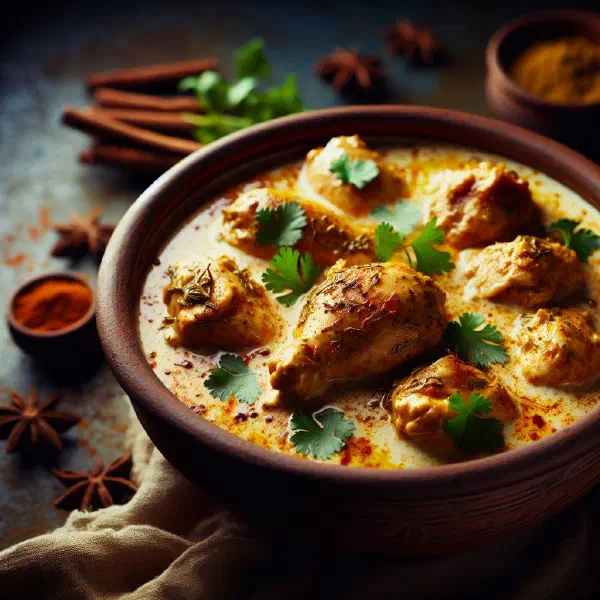
Few dishes capture the sunlit coastline of East Africa quite like Samaki wa Nazi. Fresh fish is gently poached in a silky coconut sauce, warmed through with ginger, garlic and a handful of fragrant spices that speak of centuries of trade across the Indian Ocean. It is generous, nourishing food that tastes far more elaborate than it is, and the method is forgiving enough that even a first-time cook will get it right.
About Samaki wa Nazi
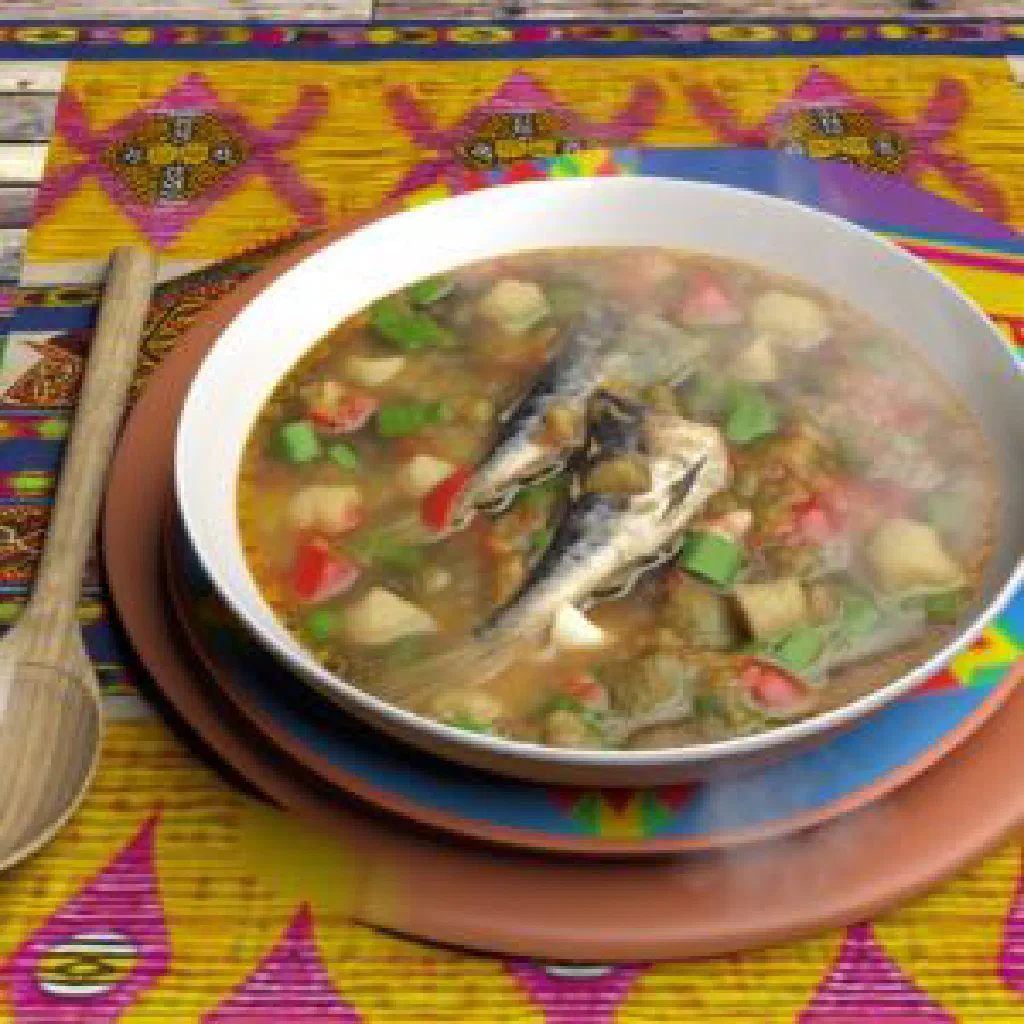
Samaki wa Nazi is a traditional fish dish from Tanzania, celebrated for its exquisite balance of flavours. Fresh fish is cooked in a creamy coconut sauce enriched with an array of aromatic spices. The result is not only a treat for the palate but a genuinely nourishing meal, packed with protein and good fats. Preparation is refreshingly straightforward, so even beginners can enjoy this African classic at home without any special equipment or technique.
Ingredients (serves 1–2)
- 250g fresh fish (such as sea bream or tilapia)
- 400ml coconut milk
- 1 onion, diced
- 2 cloves of garlic, chopped
- 1cm fresh ginger, grated
- 1 teaspoon curry powder
- 2 tablespoons oil (coconut or vegetable)
- 1 tomato, diced
- Salt and pepper to taste
- Fresh coriander, to garnish
Shopping for the ingredients
To make Samaki wa Nazi you will want fresh ingredients, available from a good supermarket or a local market. Pay particular attention to the freshness of the fish, as this has a decisive influence on the flavour of the finished dish. Most of the spices can be found in the international aisle of a larger supermarket, or in specialist African and Asian grocers. Coconut milk is widely stocked these days and comes in both tins and cartons.
Preparing the dish
The groundwork for Samaki wa Nazi is simple and takes only a few minutes. Begin by cleaning the fish carefully and cutting it into fillets. It is worth removing any remaining bones so the eating is entirely relaxed. Finely chop the onion, garlic and ginger, as these form the aromatic base of the sauce, the same trio that underpins a good Mchuzi wa Kamba. Have everything ready before you start so the cooking runs smoothly.
Step-by-step instructions
- Heat the oil in a pan and add the diced onion. Fry until golden.
- Add the chopped garlic and grated ginger and fry for a further 2 minutes.
- Stir in the curry powder and the diced tomato, mixing well.
- Pour in the coconut milk and let the sauce simmer for about 5 minutes.
- Lay the fish into the sauce and cook gently for a further 10–15 minutes, until cooked through.
- Season with salt and pepper and garnish with fresh coriander before serving.
Gluten-free / lactose-free version
This recipe is naturally gluten-free and lactose-free, as it contains no ingredients that would normally carry those allergens. That makes the dish an excellent choice for anyone with food intolerances. Do check the label on your coconut milk to make sure no dairy products have been added, and choose your spice blends carefully to avoid any gluten-containing fillers.
Tips for vegans and vegetarians
For a vegan or vegetarian version, simply swap the fish for tofu or tempeh. Both take on the flavours of the coconut sauce beautifully and make the dish every bit as satisfying. Press and pat the tofu dry beforehand so it can soak up the sauce properly. You can also bulk out the pan with vegetables such as courgette or peppers for extra texture and colour, much as you would in a Biringanya Curry.
More tips and tricks
To intensify the flavours of Samaki wa Nazi, add a squeeze of lemon or lime juice to the sauce. It brings a welcome freshness that rounds the whole thing off. Experiment with different spices too, cumin or a pinch of cinnamon can give the dish your own signature twist. Adding fresh vegetables shortly before the end of cooking is another good way to introduce an interesting element and a few extra nutrients.
Adapting the recipe to your taste
Samaki wa Nazi is easily tailored to personal preference. Adjust the spices as you see fit: some cooks like to add a fiery chilli, while others prefer a gentler, milder version. The choice of fish can vary as well, so feel free to explore different flavours and textures. Just remember to adjust the cooking time according to the variety you use, so the fish stays moist and tender.
Ingredient substitutions
If you have no coconut milk to hand, almond milk or oat milk will create a different but equally delicious sauce. For a richer consistency, plant-based cream works nicely, offering a velvety texture while the spices do the aromatic work. Be creative with the vegetables too, broccoli and spinach are both excellent additions that bring flavour and vitamins to the pan, as they do in Mchicha.
Drink pairing ideas
Several drinks complement the flavours of this dish nicely. Try a refreshing tropical option such as a piña colada or a simple ginger lemonade to underline the sweetness of the coconut. A lightly chilled, soft white wine or a crisp lager also makes a good choice, refreshing the palate between mouthfuls. Keep the spicing of your version in mind and pick the drink accordingly, a milky spiced Chai ya Maziwa rounds off the meal beautifully.
Serving and presentation ideas
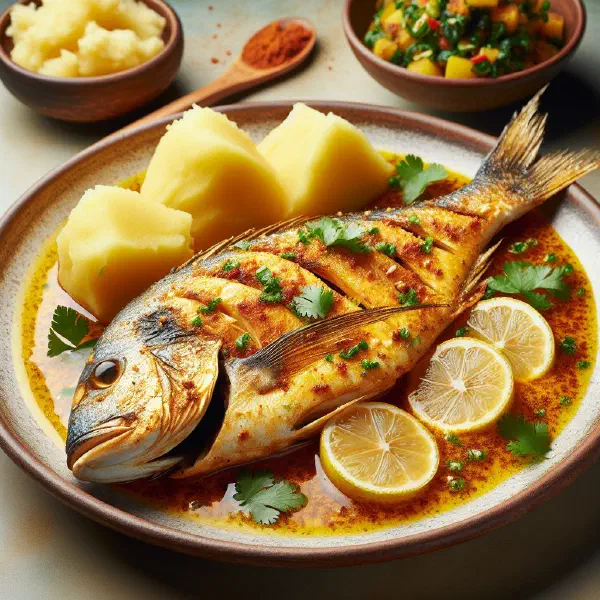
To present Samaki wa Nazi attractively, arrange the fish on a handsome plate and garnish with fresh herbs such as coriander or spring onion. A wedge of lime or lemon on the side lends the dish both colour and a bright note when squeezed over. Consider how you might plate it with a side dish, fragrant jasmine rice, green beans or a bowl of fresh Kachumbari all turn it into a complete meal.
A bit of history
Samaki wa Nazi is not merely a simple supper; it reflects the many cultural influences that have shaped Tanzania. The use of coconut is characteristic of the coastal kitchens where the fruit grows in abundance, while the spices tell of centuries of trade with Arabia and India. Fish plays a significant role in Tanzanian cuisine, particularly along the coast, where it remains a central source of protein. Every mouthful carries the traditions of the region within it.
More recipe ideas
Summary: Samaki wa Nazi
In short, Samaki wa Nazi is a delicious and deeply traditional dish from Tanzania, built on fresh fish and an aromatic coconut sauce. With straightforward ingredients and an uncomplicated method, it is easy to recreate at home. It offers a small taste of Tanzanian culture while remaining flexible enough to suit different preferences and diets. Enjoy the flavours and the warmth of East African cooking with this impressive recipe.