National Dish Tanzania: Sambusa (Recipe)
In this article
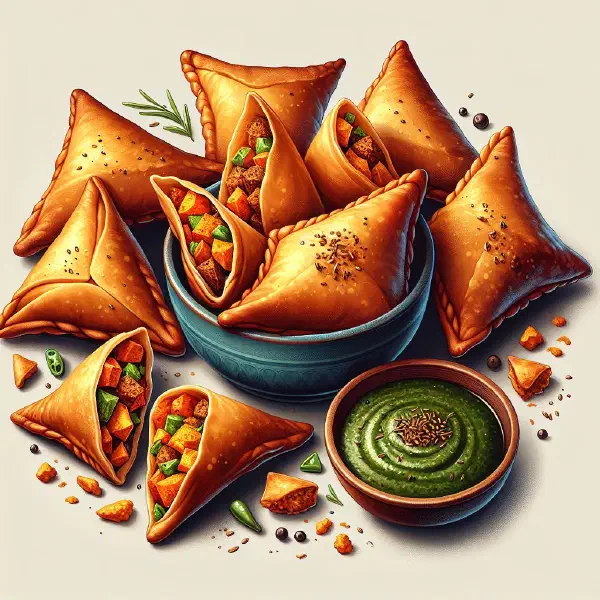
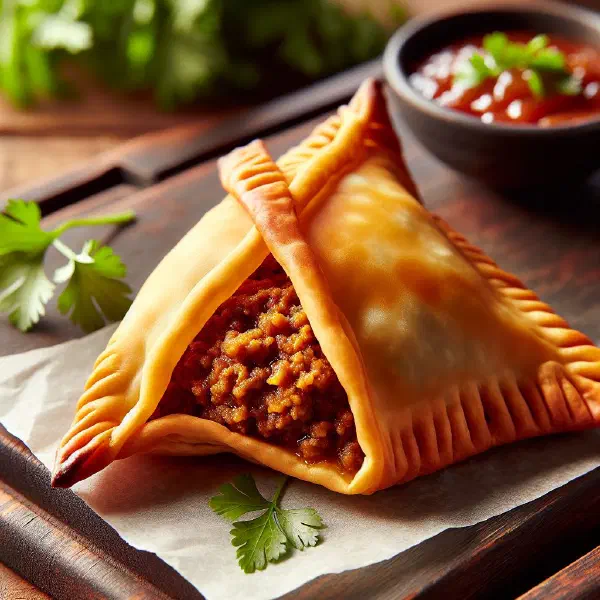
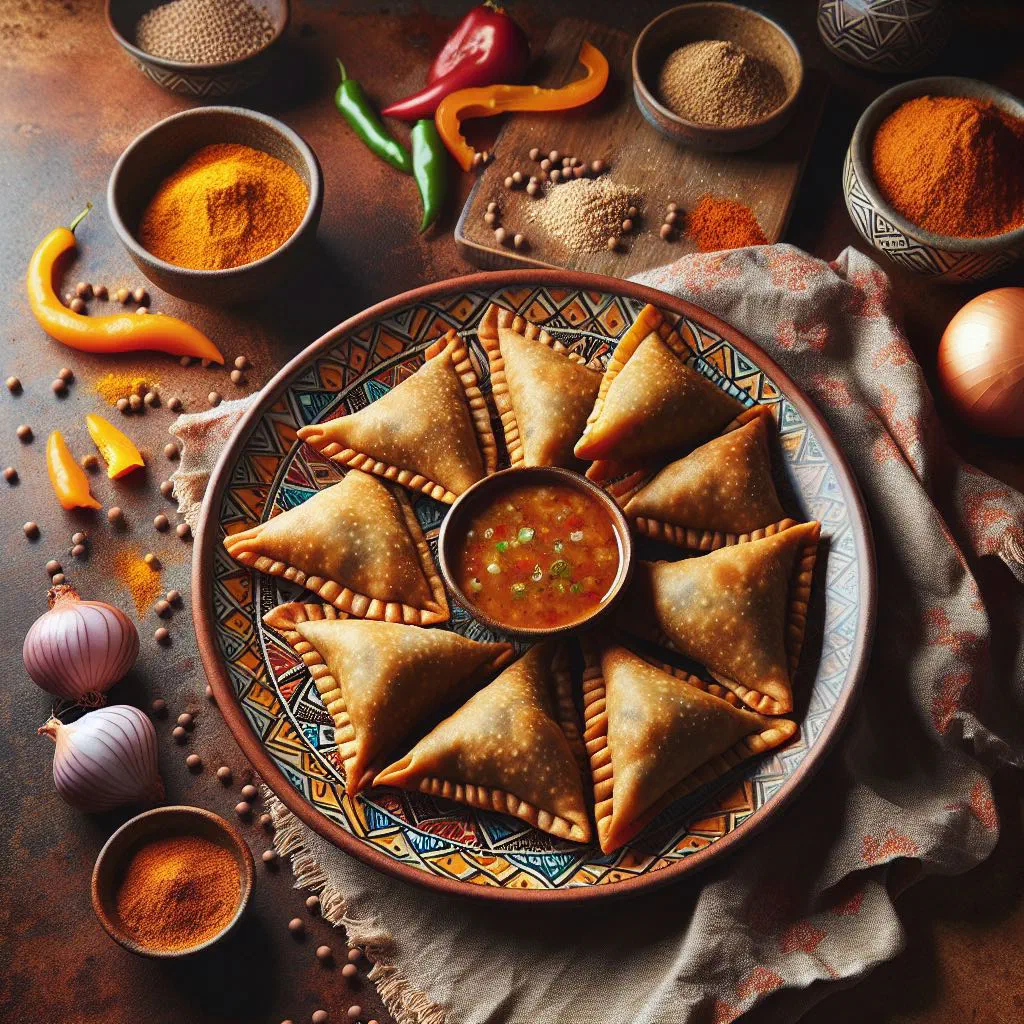
Discover Sambusa, the crisp, golden pastry parcels that turn up on every busy street corner in Tanzania. Tucked inside the thin, blistered shell you might find spiced vegetables, savoury minced meat or softly simmered lentils. Each version carrying the warm scent of cumin and coriander. They are the sort of snack that disappears from the plate long before anyone counts how many they have eaten, and they are far easier to make at home than they look.
About Sambusa
Sambusa is one of Tanzania’s most beloved specialities, and it is treasured well beyond the country’s borders across much of East Africa. These crunchy little parcels are endlessly versatile and can be filled with spiced vegetables, juicy minced meat or lentils, depending on the cook and the occasion. It is the interplay of the aromas that makes every bite memorable. Sambusa work equally well as a quick snack between meals and as a starter at festive gatherings, where they usually share the table with fresh Kachumbari.
Ingredients (serves 1–2)
- 150 g plain wheat flour
- 75 ml water
- 1 teaspoon salt
- 2 tablespoons oil
- 200 g chopped vegetables or minced meat
- 2 teaspoons spices (cumin, coriander, for example)
- Oil for deep-frying
Shopping for the ingredients
The ingredients for sambusa are available in most food shops and at international markets. Try to choose fresh produce, especially if you are going down the vegetable route. If you prefer the meat version, this is usually minced meat, so it is worth buying good quality. Herbs and spices are what give sambusa their unmistakable character, so pick the best you can find, the same principle that makes a good Pilau sing.
Preparing the dish
Before you start making sambusa, gather and prepare everything you need. Weigh out the flour and mix it with the salt in a large bowl. Add the water and the oil gradually to bring the mixture together into a smooth dough. This is the first step towards the crisp shell that will hold your filling and capture the flavours perfectly.
Step-by-step instructions
- Mix the flour, salt, water and oil in a bowl and knead the dough thoroughly.
- Leave the dough to rest for around 30 minutes.
- Prepare the filling by frying the vegetables or meat with the spices.
- Divide the dough into small portions and roll each one out thinly.
- Place a tablespoon of filling in the centre and seal the parcels firmly.
- Heat the oil in a pan and fry the sambusa until golden brown.
Gluten-free / lactose-free version
For a gluten-free version, use rice flour or a gluten-free flour blend in place of the wheat flour. Do check that the filling and the spice mixes are gluten-free too. For a lactose-free result, stick to plant oils or lactose-free products. Many of the traditional spices are naturally free of lactose, so there is no need to worry about losing any of the flavour.
Tips for vegans and vegetarians
To make sambusa vegan or vegetarian, simply swap the meat for a mix of vegetables such as carrots, peas or courgettes. A combination of pulses like lentils or beans also makes a nourishing, protein-rich filling, much like the one at the heart of Dengu. Adjust the spices as you like to deepen the flavour, and consider adding tofu or tempeh for an extra protein boost.
More tips and tricks
A few simple tips will improve your sambusa considerably. Roll the dough out thinly so the parcels crisp up evenly as they fry. A good filling should not be too wet, otherwise it will leak during cooking. Getting the oil hot enough matters as well: drop in a scrap of dough to test it, and it should rise to the surface straight away.
Adapting the recipe to your taste
Sambusa are remarkably adaptable and easy to tailor to your own preferences. Add different spices, or experiment with sweet fillings by combining fruit and sugar for a dessert version that is every bit as crisp and delicious. You can also vary the method, shallow-frying or baking instead of deep-frying, depending on the texture and flavour you are after.
Ingredient substitutions
If you do not have certain ingredients to hand, there are plenty of alternatives. Wholemeal flour can stand in for plain wheat flour if you want a healthier option, and it works much the same way as it does in Chapati. Frozen vegetables are a quick and reliable substitute when fresh ones are not available. For the filling, ready-prepared protein sources such as chickpeas or even eggs will give the recipe a new twist.
Drink pairing ideas
When choosing a drink to accompany your sambusa, fruity and refreshing options are the way to go. A chilled hibiscus tea or a fruit juice sits nicely against the spiced filling. A simple sorrel drink, served hot, makes a lovely accompaniment too. If you prefer something alcoholic, try a light beer or a mild white wine to round out the flavours.
Serving and presentation ideas
How you present your sambusa can lift the whole experience. Serve them on a large platter with fresh herbs scattered over for colour and freshness. Offer a choice of dips alongside, a punchy chilli sauce or a creamy yoghurt sauce, so guests can mix and match. Arranging them in small portions also makes them easier to hand round as an appetiser and keeps the mood sociable.
A bit of history
Sambusa have a long history that runs deep through the culture of East Africa. Originally from the Indian subcontinent, they travelled along the old trading routes and took root in country after country. In Tanzania they have become a fixture of the local kitchen, especially popular at markets and on festive occasions. Their versatility has made them a genuinely treasured dish, drawing together many of the influences that shape Tanzanian cuisine.
More recipe ideas
Summary: Sambusa
Sambusa are not simply a snack; they are a cultural experience that embodies the flavours and traditions of Tanzania. With their crisp texture and their wide range of fillings, they are a perfect choice for anyone who loves good food and an open invitation to explore the local kitchen. As a main course or in a more modern guise, sambusa have something for everyone. Enjoy them, and bring a piece of Tanzania into your own kitchen.