National Dish Tanzania: Supu ya Samaki (Recipe)
In this article
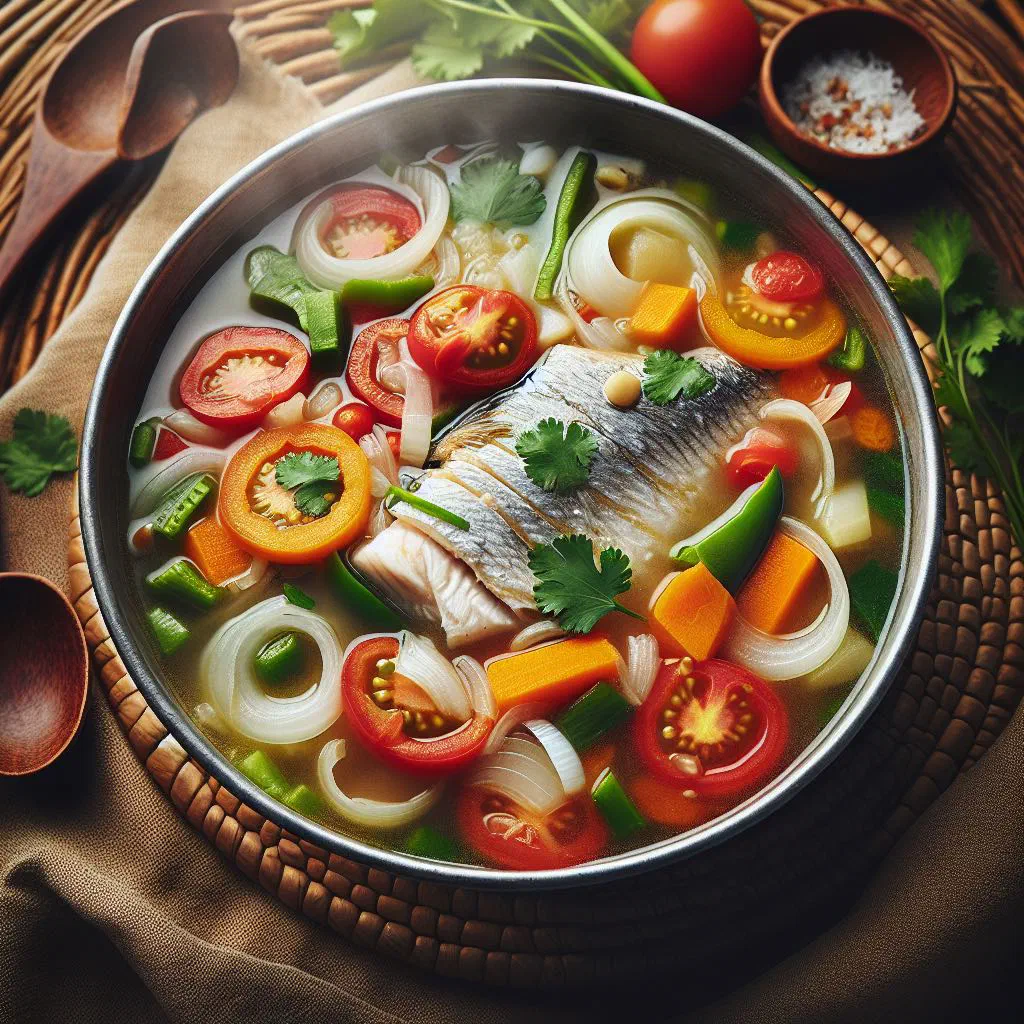
Meet Supu ya Samaki, the fragrant fish soup that warms kitchens all along Tanzania’s coast. Tender pieces of fish simmer in a broth built on ginger, garlic and chilli, brightened with tomatoes, carrots and a squeeze of lemon. It is nourishing without being heavy, quick enough for a weeknight, and generous enough to serve to guests. One spoonful and you understand why it never goes out of fashion.
About Supu ya Samaki
Supu ya Samaki, Tanzania’s traditional fish soup, is both a feast for the senses and an expression of the country’s rich culinary culture. The soup brings together fresh fish and a wide range of aromatic spices alongside wholesome vegetables. Because regional produce does the heavy lifting, every spoonful tastes of the place it comes from. Along the Tanzanian coast in particular this gently spicy soup appears on tables constantly, and it is every bit as popular with visitors as it is with locals.
Ingredients (serves 1–2)
- 400 g fresh fish (tilapia or sea bream, for example)
- 1 onion, diced
- 2 cloves of garlic, chopped
- 1 piece of ginger, grated
- 1–2 chillies, to taste
- 2 tomatoes, diced
- 1 carrot, sliced
- 500 ml fish or vegetable stock
- Fresh coriander and lemon juice, to garnish
- Oil, for frying
Shopping for the ingredients
When shopping for supu ya samaki, aim for the freshest ingredients you can find. Local markets are usually the best place to source both fish and vegetables. Pay particular attention to the quality of the fish, since it is the main ingredient and carries the flavour of the whole dish. Spices such as ginger and garlic are easy to find in health-food shops and larger supermarkets, and the same aromatics turn up in a Mchuzi wa Kamba.
Preparing the dish
Preparation for supu ya samaki is straightforward and quick to work through. Start by cleaning the fish and cutting it into bite-sized pieces. While you do that, wash the vegetables and chop them to the sizes you want. Have everything ready before you turn on the heat, the actual cooking time is short, so a tidy work surface keeps the process running smoothly.
Step-by-step instructions
- Heat the oil in a large pan and fry the onions until translucent.
- Add the garlic, ginger and chillies and fry briefly until fragrant.
- Stir in the tomatoes and carrots and cook for a few minutes until softened.
- Pour in the stock and bring to the boil.
- Carefully lower the fish into the soup and simmer for about 10 minutes, until cooked through.
- Garnish with fresh coriander and lemon juice, then serve.
Gluten-free / lactose-free version
Supu ya samaki is naturally gluten-free and lactose-free, which makes it an easy choice for anyone with those intolerances. Just check that your stock is certified gluten-free so the dish is suitable for everyone at the table. The fresh ingredients deliver excellent flavour and support a wholesome way of eating. Enjoy it without a second thought, savouring both the hearty taste and its comforting effect.
Tips for vegans and vegetarians
For a vegan or vegetarian version of supu ya samaki, simply replace the fish with tofu or extra vegetables. Keep the same spices and stock so the depth of flavour stays intact. Courgette, broccoli and similar vegetables all work beautifully and turn the pot into a genuinely nutritious soup. This adaptation opens the dish up to plant-based eaters and gives it a fresh character of its own, much like a Mchicha.
More tips and tricks
To get the most out of your supu ya samaki, try different types of fish or even shellfish. Fresh coriander paired with lime juice brings the aromas into sharp focus. A splash of coconut milk lends the soup a creamy texture and a distinctly tropical note. Play with the heat and the spice level until the balance suits you exactly.
Adapting the recipe to your taste
Supu ya samaki is remarkably adaptable, so you can vary the ingredients according to what is available and what you fancy. Add peppers or spinach for extra colour and nutrition, for example. The seasoning is just as flexible: adjust the amount of chilli, or stir in something sweeter such as paprika to shift the flavour profile. There really are no limits to what you can do here.
Ingredient substitutions
If certain ingredients are hard to come by, supu ya samaki offers plenty of workable alternatives. Frozen fish stands in perfectly well for fresh, provided it is of good quality. With no stock to hand, plain water will do. Just add a little more seasoning to round out the flavour. A homemade blend of herbs and spices also makes a reliable gluten-free stock base.
Drink pairing ideas
A number of drinks go well with supu ya samaki. A light, chilled wheat beer or a glass of fresh fruit juice complements the soup’s aromas nicely. Tea is another good route, hibiscus or ginger tea in particular rounds the meal off well, and a cup of Chai ya Maziwa makes a comforting finish. Experiment until you find the combination you like best.
Serving and presentation ideas
Presentation makes a real difference to how supu ya samaki is received. Serve the soup in deep bowls and garnish it with fresh coriander and a squeeze of lemon. Edible flowers add an extra flash of colour if you want to dress it up. A lively combination of colours and textures makes the dish far more inviting and builds anticipation for that first spoonful. Warm Chapati alongside completes the picture.
A bit of history
Supu ya samaki has its roots in the coastal regions of East Africa, where fish has long been a staple food. Fish soups have been part of the Tanzanian cooking tradition for centuries. Different ethnic groups across the region maintain their own versions, drawing on local spices and produce. That layered history makes the soup a symbol of cultural variety and of the gastronomic heritage that defines Tanzanian cuisine.
More recipe ideas
Summary: Supu ya Samaki
All told, supu ya samaki is a wonderful example of Tanzania’s culinary range. With fresh fish, aromatic spices and colourful vegetables, it is a nourishing and flavourful choice for any occasion. It never fails to impress. Explore the many ways of adapting it and shape the soup to your own taste.