National Dish Tanzania: Tende za Nazi (Recipe)
In this article
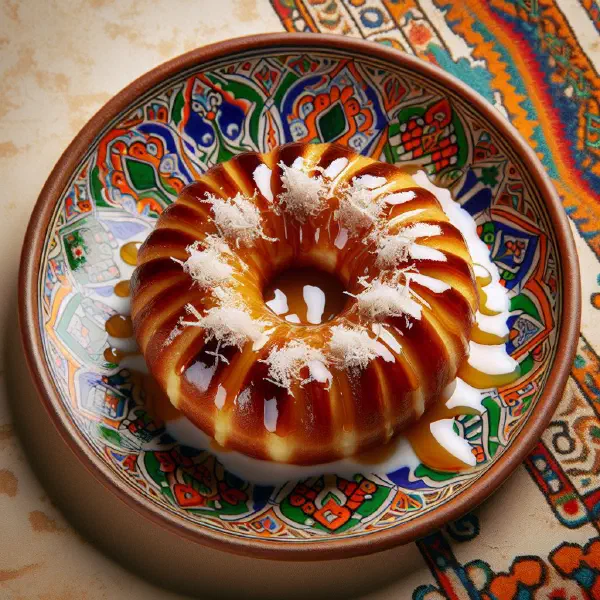
Tende za Nazi is dates simmered in coconut milk with cardamom until the milk thickens and takes on the caramel of the fruit. It comes from the Swahili coast, where dates arrived from Arabia and coconuts grew on the beach — and it is the kind of dessert that takes fifteen minutes and tastes as though it took longer.
About Tende za Nazi
Tende za Nazi is the sweet date-and-coconut speciality of the Swahili coast. Tender dates simmer gently in creamy coconut milk with a hint of cardamom until they turn caramel-sweet. Perfect as a dessert or a sweet snack, this recipe brings the flavours of Zanzibar straight into the kitchen, and it reflects centuries of Indian Ocean trade in a single bowl.
Ingredients (serves 1–2)
- 200 g pitted dates (fresh or dried)
- 300 ml coconut milk
- 1 tablespoon sugar, to taste (dates are already sweet)
- ½ teaspoon ground cardamom
- A pinch of salt
- 1 teaspoon butter or ghee, optional
Shopping for the ingredients
Soft dates, Medjool or a good Deglet Nour, give the best result; hard dried dates need soaking first. Full-fat coconut milk is essential, since light versions split and give a thin sauce. Grind cardamom fresh from green pods if you can.
Preparing the dish
Check the dates for stray stones. If they are firm, soak them in warm water for twenty minutes. That is all the preparation; the dish is essentially one gentle simmer.
Step-by-step instructions
- Check the dates for stones and halve any large ones.
- Soak firm dates in warm water for 20 minutes; drain.
- Warm the coconut milk gently in a pan with the pinch of salt.
- Add the cardamom and the sugar, if using.
- Add the dates and simmer very gently for 10–12 minutes.
- Do not let it boil hard, or the coconut milk splits.
- Stir in the butter or ghee at the end, if using.
- Serve warm or at room temperature, with the sauce spooned over.
Gluten-free / lactose-free version
The dish is naturally gluten-free. Leave out the butter or use coconut oil and it is lactose-free as well, coconut milk does all the enriching in any case.
Tips for vegans and vegetarians
Without the butter, Tende za Nazi is fully vegan. Dates and coconut are both plant ingredients, and the ghee is an optional enrichment rather than a structural component.
More tips and tricks
Keep the coconut milk below a rolling boil. This is the one thing that goes wrong, and split coconut milk cannot be brought back. Taste before adding sugar, since good dates often need none. And serve it warm rather than hot, when the flavours are clearest.
Adapting the recipe to your taste
Cinnamon or clove alongside the cardamom deepens it. Toasted cashews or almonds add crunch. A splash of rose water is a common Zanzibari touch.
Ingredient substitutions
Dried figs work in place of some of the dates. Coconut cream makes it richer. Honey substitutes for sugar, though it is rarely needed.
Drink pairing ideas
Spiced chai with cardamom and ginger is the Swahili coast standard. Strong black coffee balances the sweetness. Fresh coconut water suits it on a hot day.
Serving and presentation ideas
Serve tende za nazi in small bowls with the coconut sauce spooned over and a scatter of toasted nuts. On the coast it appears during Ramadan and at celebrations, and it is eaten warm with a spoon.
A bit of history
The Swahili coast has traded with Arabia, Persia and India for well over a thousand years, and its cooking shows it: dates and cardamom from the north, coconut from the shore, and a sweet tradition that belongs entirely to neither. Zanzibar’s spice trade made cardamom an everyday ingredient rather than a luxury. It offers a genuine window onto Tanzanian cuisine.
More recipe ideas
- Ugali — the traditional maize staple that suits almost any side dish.
- Wali wa Nazi — a simple, fragrant dish of rice and coconut milk.
- Ndizi za Kupika — fried plantains that offer a sweet contrast to savoury food.
- Chapati — the flatbread beloved in East African households.
- Mshikaki — grilled meat skewers, often served at celebrations.
Summary: Tende za Nazi
Tende za Nazi is dates simmered gently in cardamom-scented coconut milk until caramel-sweet. Keep it below a boil, taste before sweetening, and serve it warm.