National Dish Tanzania: Uji (Recipe)
In this article
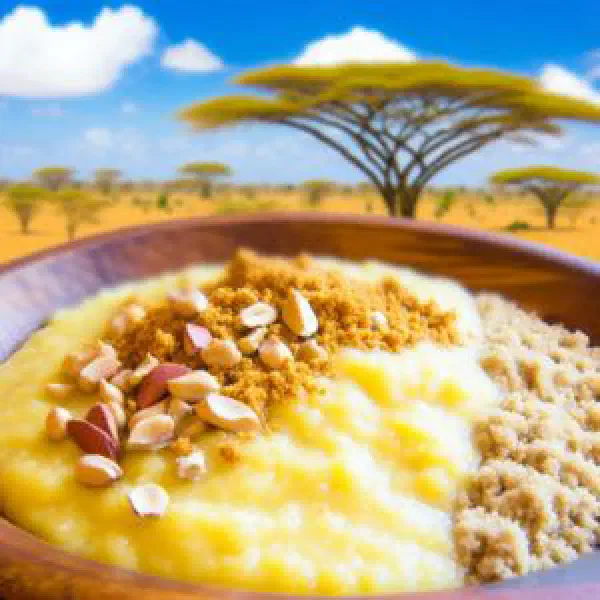
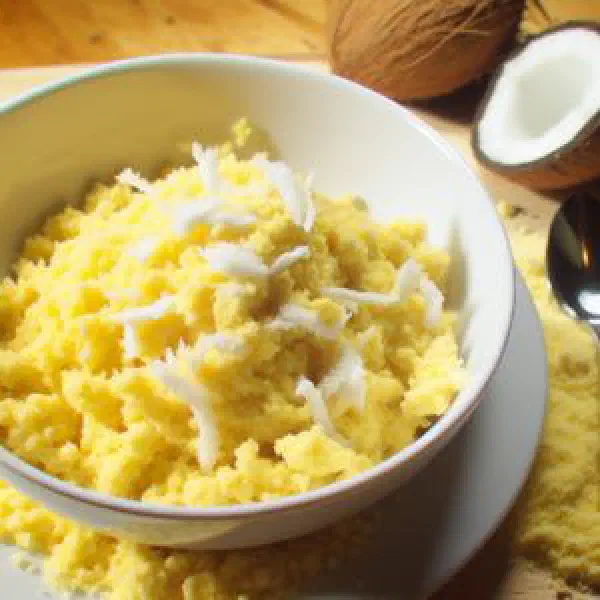
Discover Uji, the creamy Tanzanian porridge that starts the day across much of East Africa. Made from nothing more than maize or millet flour and water, it is gently sweetened with sugar or honey and crowned with whatever fruit is in season. Warming, filling and endlessly adaptable, it is the sort of breakfast that keeps you going right through to lunch, and it takes barely fifteen minutes to make.
About Uji
Uji is a much-loved traditional breakfast dish from Tanzania, best known as a nourishing porridge. It is made from a creamy blend of maize or millet flour and water, which makes it a wonderful source of slow-release energy that many people in the region eat daily. Uji is delicious and plays an important role in African nutrition. A spoonful of sugar, honey or fresh fruit lends it a gentle sweetness that appeals to the palate.
Ingredients (serves 1–2)
- 1 cup maize flour or millet flour
- 4 cups water
- 1–2 tablespoons sugar or honey
- Fresh fruit (banana, mango or berries, for example)
- A pinch of salt (optional)
Shopping for the ingredients
The ingredients for uji are easy to find in most grocery shops and supermarkets. Look for good-quality maize flour or millet flour to get the best flavour and the most nutrients. Depending on where you live, small local markets may sell freshly milled flour, which gives the dish a wonderfully authentic taste. If you want to add fresh fruit, choose seasonal options to make the most of the flavour.
Preparing the dish
Preparing uji is straightforward and takes only a few minutes. Begin by setting out all the ingredients and making sure you have the right amount of water to hand. In Tanzania, uji is often made in large quantities so the whole family can be served a nourishing meal. Measuring everything out before you start is the surest way to get the porridge to the perfect consistency.
Step-by-step instructions
- Bring the water to the boil in a large pan.
- In a separate bowl, whisk the flour with a little cold water to prevent lumps.
- Once the water is boiling, add the flour mixture slowly and stir well.
- Bring the porridge to a gentle simmer over low heat, stirring regularly, until it reaches the consistency you like.
- Serve with sugar, honey and fresh fruit to taste.
Gluten-free / lactose-free version
Uji is naturally gluten-free and lactose-free when made with millet flour, which makes it a great choice for anyone with allergies or intolerances. Simply make sure that no gluten-containing additions creep in while you cook. The recipe adapts easily: stick to gluten-free millet flour or another gluten-free option and the dish works for everyone. The fruit used as a topping is almost always allergen-free too, keeping uji accessible to all.
Tips for vegans and vegetarians
For vegans, uji could hardly be simpler, since it contains no animal products at all. Use maple syrup or another plant-based sweetener in place of honey. For a special touch, add spices such as cinnamon or vanilla to give the porridge an extra dimension of flavour. These small adjustments make uji suitable not just for vegans but for vegetarians and anyone following a plant-based diet.
More tips and tricks
To make the porridge even more nourishing, stir in nuts or seeds, which are rich in healthy fats and add welcome texture. Experiment with different sweeteners to find the balance that suits your palate. A spoonful of cocoa or matcha powder creates an interesting variation, much as coconut transforms a bowl of Choroko Na Nazi. Vary your serving options too, so the dish never feels repetitive.
Adapting the recipe to your taste
The great thing about uji is its flexibility. Depending on your own preferences, you can vary and adjust the ingredients freely. If you like a thicker consistency, simply use less water. For a less sweet result, cut back on the sugar or leave it out altogether. When it comes to fruit, try different combinations according to season and taste to discover new flavour experiences. That adaptability is what keeps uji on the breakfast table year after year.
Ingredient substitutions
For anyone keen to experiment, there are plenty of alternatives. Instead of maize flour you can use quinoa flour, or even rice or buckwheat flour, each bringing its own nutrients and character. Among sweeteners, agave syrup and coconut sugar both work well as sugar alternatives. For a higher-protein version, try a blend of pulses and grains, the same nourishing principle behind Dengu. The possibilities are wide open, which makes uji a genuinely customisable dish.
Drink pairing ideas
Several drinks pair beautifully with a bowl of uji. A glass of fresh fruit juice, perhaps mango or pineapple, adds a bright, fruity note. A strong black tea or a mild herbal tea also rounds the breakfast out nicely, as does the spiced milky tea known as Chai Ya Maziwa. For a special treat, serve a cup of coffee, the combination of a hot drink and warm porridge is particularly comforting. Experiment until you find the perfect accompaniment.
Serving and presentation ideas
Creative presentation can lift the whole uji experience. Serve the porridge in brightly coloured bowls and garnish with a variety of fresh fruit and nuts to boost both texture and colour. Edible flowers or mint leaves make another lovely accent. We eat with our eyes first, and an appealing bowl makes breakfast feel inviting as well as delicious. A side of Mandazi turns it into a proper spread for guests.
A bit of history
Uji has its roots in Tanzanian culture and plays a significant part in the cooking of many African countries. The dish has been passed down through generations and is often bound up with local traditions and customs. Historically it was valued as a nourishing breakfast for labourers and farmers, being simple to prepare and thoroughly filling. Uji is also made for celebrations and special occasions, to welcome guests and strengthen a shared sense of identity within Tanzanian cuisine. It is far more than a dish; it is a symbol of belonging and community.
More recipe ideas
Summary: Uji
Uji is a nourishing and flavourful breakfast dish made from a simple mixture of maize or millet flour and water. Its flexibility means the ingredients can be varied endlessly to suit personal taste. With so many ways to dress it up, it is a source of energy for the day ahead and as a piece of living cultural heritage that brings people together. Give uji a try and let the culinary variety of Tanzania win you over.