National Dish Tanzania: Uji wa Mahindi (Recipe)

In this article
Meet Uji wa Mahindi, the warming maize porridge that starts the day for countless households across Tanzania. Made from little more than maize flour, water and a pinch of salt, it proves how much comfort the simplest pantry staples can deliver. Silky, gently sweet and endlessly adaptable, it is as welcome at breakfast as it is as an afternoon pick-me-up. Once you have stirred your first potful, you will understand why this humble bowl has stayed on Tanzanian tables for generations.
About Uji wa Mahindi
Uji wa Mahindi is a traditional dish from Tanzania made from the most basic of ingredients. It is a delicious maize porridge that manages to be both nourishing and genuinely filling. It is served above all at breakfast and enjoys enormous popularity with locals. The history of the dish stretches back decades and is closely bound up with the culture and culinary traditions of Tanzania.
Ingredients (serves 1–2)
- 1 cup maize flour
- 4 cups water
- A pinch of salt
- 1–2 tablespoons sugar (optional)
- Optional: milk or a plant-based alternative
Shopping for the ingredients
For Uji wa Mahindi it is important to choose good-quality maize flour, since it forms the entire foundation of the dish. Many African and Asian grocers stock specialist brands that focus on exactly these kinds of flours. Look for fresh ingredients, particularly if you are planning to cook for family or friends. Remember to put the optional extras such as sugar or milk on your shopping list too, so you can finish the porridge just the way you like it.
Preparing the dish
Before you start cooking Uji wa Mahindi, lay out all your ingredients and have the right equipment within reach. A medium saucepan and a whisk are ideal for keeping the stirring smooth and even. It helps to slake the maize flour in a bowl with a little cold water beforehand, which stops lumps forming later on. Once the groundwork is done, you are ready to cook, much as you would when preparing a pot of Ugali.
Step-by-step instructions
- Bring the water to the boil in a large pan.
- Add the pinch of salt to bring out the flavour.
- Once the water is boiling, reduce the heat and add the maize flour.
- Stir the mixture continuously with a whisk to avoid lumps.
- Cook over a low heat for about 10–15 minutes, until the porridge thickens to a creamy consistency.
- If you like, add sugar or milk and stir well.
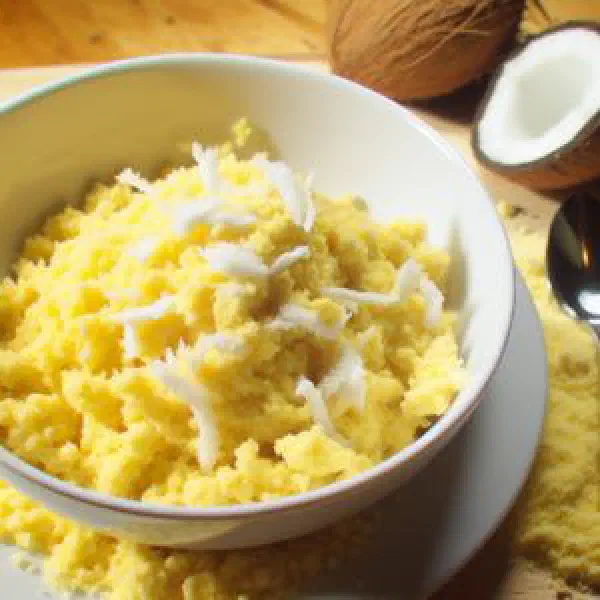
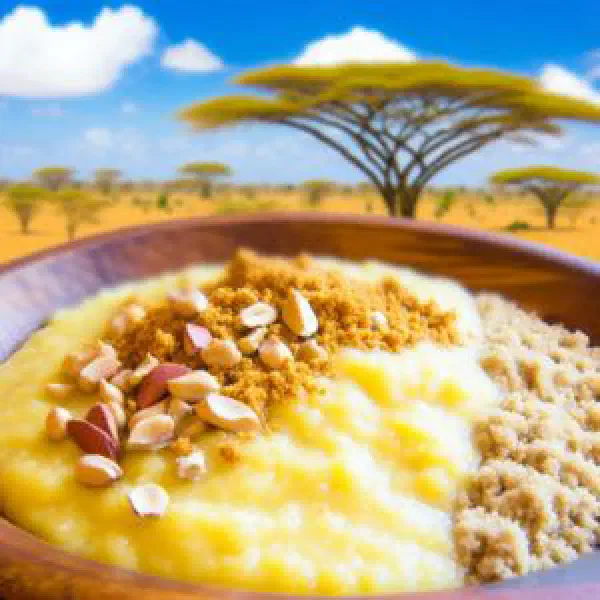
- Serve the Uji wa Mahindi warm, perhaps topped with fresh fruit or nuts.
Gluten-free / lactose-free version
For a gluten-free version of Uji wa Mahindi you can simply use the classic maize flour, as it is naturally free from gluten. Do check that any additions such as sugar or milk are gluten-free as well. For a lactose-free bowl, reach for plant-based alternatives such as almond or oat milk.
Tips for vegans and vegetarians
For vegans, Uji wa Mahindi is an excellent choice by nature, since the recipe contains no animal products at all. You need only take care to choose a plant-based option when adding milk or other extras. The dish also takes happily to different flavours and toppings, whether fresh fruit, nuts or honey. That keeps it interesting and delicious for everyone at the table.
More tips and tricks
One small but highly effective tip when making Uji wa Mahindi is to keep the heat low throughout the cooking so the porridge cannot catch on the base of the pan. You can also adjust the consistency exactly to your liking by adding a little more or a little less water. To make the bowl more sustaining still, stir in protein sources such as pulses or nuts. And do try it beyond breakfast. It works beautifully as a snack or a light main course.
Adapting the recipe to your taste
The joy of Uji wa Mahindi is how easily you can tailor it to your own preferences. Introduce new flavours with cocoa powder or warm spices such as cinnamon or nutmeg. Fruit purées and compotes are another lovely way to finish the bowl. Experimenting with toppings opens up a whole world of possibilities for making the dish your own.
Ingredient substitutions
If you have no maize flour to hand, rice flour or millet flour both step in well. These alternatives give a similarly pleasing consistency to the traditional version, much like the millet-based Uji wa Wimbi. Going the other way, you can swap the water for vegetable stock to give the porridge a savoury depth. Small changes like these bring welcome variety and new flavours to your cooking.
Drink pairing ideas
Plenty of drinks suit Uji wa Mahindi and round off breakfast or a main meal nicely. A freshly squeezed orange juice or an aromatic tea such as Chai ya Maziwa makes a wonderful companion. If you fancy something more inventive, try a ginger lemonade, which refreshes and revives the palate. A good coffee also harmonises perfectly, especially in the early hours.
Serving and presentation ideas
The way you present Uji wa Mahindi can lift the whole experience enormously. Serve it in an attractive bowl, garnished with fresh fruit, nuts or a swirl of honey. A few mint leaves scattered over the top add an extra hit of freshness. Pleasure at the table so often goes hand in hand with an inviting presentation, so do not be shy about getting creative.
A bit of history
Uji wa Mahindi has deep roots in Tanzanian culture and is widely regarded as a staple food. Historically, families prepared it to give children a nourishing meal that was easy to digest. Variations on the dish also turn up regularly at special occasions and celebrations. This porridge speaks of the beauty of Tanzanian cuisine and of a way of life closely tied to the land, as does the celebrated Nyama Choma.
More recipe ideas
Summary: Uji wa Mahindi
In short, Uji wa Mahindi is far more than a simple meal. It brings the authentic flavour and tradition of Tanzania straight into your kitchen. Easily made from a handful of ingredients, this nourishing dish can be adapted and embellished in countless ways. Whether at breakfast or as a snack, Uji wa Mahindi is guaranteed to win you over.