National Dish Tanzania: Wali wa Nazi (Recipe)
In this article
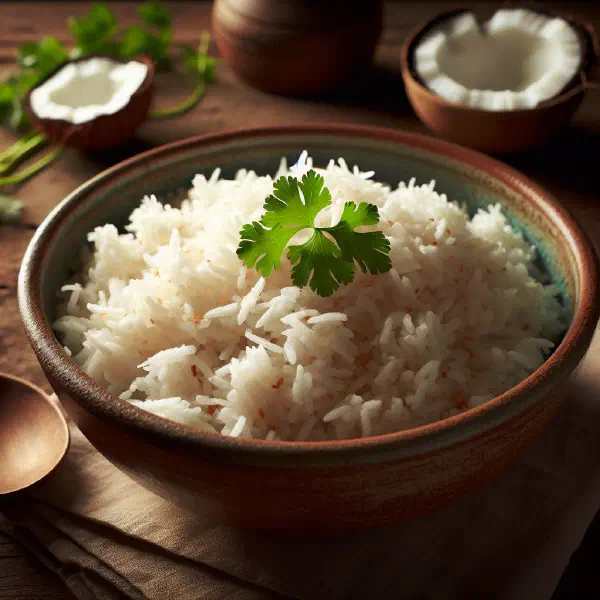
Meet Wali wa Nazi, Tanzania’s fragrant coconut rice and one of the coast’s most comforting staples. Grains of rice simmer gently in rich coconut milk until every one turns creamy and tender, lightly scented with turmeric and fresh coriander. It sits happily beside grilled fish, spiced chicken or a bowl of stewed vegetables, an everyday dish that still feels quietly celebratory.
About Wali wa Nazi
Wali wa Nazi is a traditional Tanzanian dish built on just two essentials: rice and coconut milk. It is far more than a side. It is an expression of Tanzanian hospitality, the sort of thing set on the table whenever guests arrive. Combined with a handful of warming spices, it develops a creamy texture and a gently sweet, nutty flavour that locals and visitors alike find hard to resist. Served alongside fish, chicken or mixed vegetables, it shines in every role.
Ingredients (serves 1–2)
- 1 cup rice
- 1 cup coconut milk
- 1/2 cup water
- 1 teaspoon salt
- 1 teaspoon chopped coriander (optional)
- 1/2 teaspoon turmeric, for colour and flavour (optional)
Shopping for the ingredients
For Wali wa Nazi it is well worth choosing fresh, good-quality ingredients. Ideally the coconut milk should be pressed from fresh coconuts, or bought tinned, in which case check the label for unnecessary preservatives and additives. The rice can be either long-grain or short-grain, depending on the texture you prefer. Spices such as coriander and turmeric contribute flavour and that appealing golden colour.
Preparing the dish
Preparation for Wali wa Nazi is refreshingly straightforward and takes only a few steps. Start by rinsing the rice thoroughly to wash away surplus starch. This is the key to avoiding clumps and achieving that light, separate consistency. While that is happening, warm the coconut milk with the water and salt in a pan to build an aromatic base. Spices such as coriander and turmeric go in to taste, deepening the flavour of the finished dish.
Step-by-step instructions
- Rinse the rice thoroughly and leave it to drain.
- Heat the coconut milk in a pan and stir in the water and salt.
- Add the washed rice and stir until everything is evenly combined.
- Bring the pan to the boil, then lower the heat and let the rice simmer.
- Cook covered for around 15–20 minutes, until all the liquid has been absorbed.
- Fluff the rice with a fork and garnish with fresh coriander if you like.
Gluten-free / lactose-free version
One of the great advantages of Wali wa Nazi is that it is naturally gluten-free and lactose-free. Its two main ingredients, rice and coconut milk, contain neither gluten nor dairy, which makes the dish ideal for anyone with those intolerances. When buying coconut milk it is still worth choosing a plain variety without additives, so you can be certain the dish stays as gentle on the digestion as it should be.
Tips for vegans and vegetarians
Wali wa Nazi suits vegans and vegetarians perfectly, since every ingredient is plant-based. To boost the nutritional value, stir in vegetables such as peas or diced carrots while the rice cooks. The dish also takes well to extra herbs and spices, which build a richer depth of flavour. A squeeze of fresh lime just before serving adds a bright, refreshing note that lifts all the aromas, much as it does in a plate of Mchicha.
More tips and tricks
For a flawless Wali wa Nazi, keep a close eye on the cooking time. Overcooking leaves you with a sticky, clumped mass, while too little heat means the grains never soften properly. You can also simmer the rice in vegetable stock instead of water for an extra savoury layer. A pinch of sugar or a drizzle of honey helps to draw out the natural sweetness of the coconut milk.
Adapting the recipe to your taste
This simple recipe adapts beautifully to personal preference. Vary the spices to make the dish hotter or milder, or leave them out altogether for a purer coconut flavour. Dried fruit or toasted nuts can be scattered through for extra texture and contrast. A little creativity in the kitchen is all it takes to build your own version of this coastal classic, the same spirit that gives Pilau its countless regional variations.
Ingredient substitutions
If coconut milk is not available, almond milk or soya milk will do the job, though the flavour shifts noticeably. The rice itself can be swapped for quinoa or a nuttier grain such as wild rice. For an especially creamy result, add a splash of plant-based cream. Substitutions like these let you reinterpret Wali wa Nazi while keeping its essential character intact.
Drink pairing ideas
Light, refreshing drinks work best alongside Wali wa Nazi. A chilled spiced lemonade or a fruity punch complements the creamy coconut notes beautifully. Traditional East African tea and a non-alcoholic malt drink both offer a pleasant contrast, as does a milky, cardamom-scented Chai Ya Maziwa. Drinks like these round out the meal and turn it into a proper occasion.
Serving and presentation ideas
Presentation matters when it comes to making a dish like this look as good as it tastes. Serve the rice in a generous bowl, garnished with fresh coriander or wedges of lime. Colourful vegetable sides add visual appeal, and a fresh tomato-and-onion Kachumbari is the classic accompaniment. Attractive tableware does the rest, creating a warm and inviting spread.
A bit of history
The roots of Wali wa Nazi run deep into Afro-Arab cuisine. The dish is a legacy of the early trading networks of the Indian Ocean, which carried countless flavours and recipes to the Tanzanian coast. The use of coconut milk points to Southeast Asian influence, while rice has long been a staple across much of East Africa. Wali wa Nazi is therefore a fusion of tradition and history, still treasured in Tanzanian households today and a fine introduction to Tanzanian cuisine.
More recipe ideas
Summary: Wali wa Nazi
In short, Wali wa Nazi is a delicious and versatile dish that works just as well at a festive gathering as on an ordinary weeknight. With its distinctive pairing of coconut milk and rice, it is a perfect example of Tanzania’s rich culinary tradition. This dish promises a memorable flavour experience and an open invitation to explore East African cooking. Give it a go and let the aromas win you over.