National Dish Tanzania: Zege (Recipe)
In this article
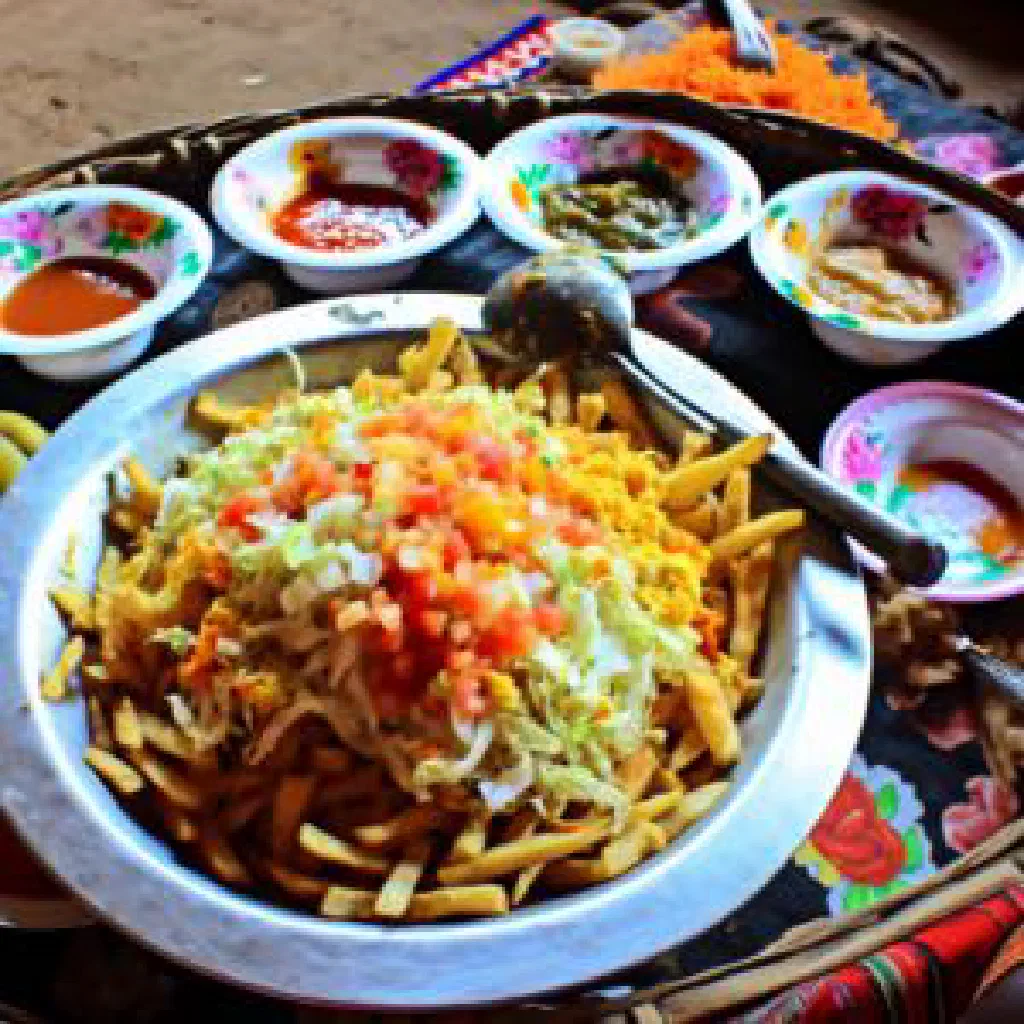
Meet Zege, a warming Tanzanian classic that turns humble root vegetables into something quietly luxurious. Silky yam mash sits beneath a fragrant coconut sauce studded with peppers, carrots and, if you like, tender pieces of chicken or beef. It is the kind of food that appears at celebrations and family gatherings along the East African coast, generous enough to feed a crowd yet simple enough for an ordinary Tuesday evening.
About Zege
Zege is a traditional Tanzanian dish with a flavour profile all of its own. At its heart is a bowl of freshly made yam mash, paired with an aromatic sauce that carries the whole plate. That sauce often includes vegetables and meat, which gives the dish its hearty, satisfying character. Zege is more than a delicacy. It is woven into local culture and is regularly served at festivities and special occasions, much like the celebratory rice dish Pilau.
Ingredients (serves 1–2)
- 500 g yams
- 200 ml coconut milk
- 150 g chicken or beef (optional)
- 1 onion, diced
- 2 cloves of garlic, chopped
- 1 pepper, diced
- 2 carrots, sliced
- Salt and pepper to taste
- Fresh herbs (coriander or parsley), to garnish
Shopping for the ingredients
To make Zege well, choose fresh ingredients. They make all the difference to the finished flavour. Visit a local market or a wholefood shop for good-quality yams and vegetables. If you decide to include meat, make sure it is fresh and from a reliable source. Decent spices and herbs, which lift and refine the dish, are just as essential.
Preparing the dish
Preparing Zege is straightforward, though it does ask for a little time. Begin by peeling and cutting the yams into small pieces so they cook through more quickly. Wash the vegetables thoroughly and slice them into neat, appealing pieces. If you are using meat, cut it into small cubes so everything cooks evenly. This groundwork is what makes the finished dish come together smoothly.
Step-by-step instructions
- Bring a pan of water to the boil and add the yams. Cook until soft, roughly 20 minutes.
- Brown the meat in a frying pan over medium heat until golden.
- Add the diced onion and garlic to the meat and fry until softened.
- Stir in the vegetables (pepper and carrots) and fry for a further 5 minutes.
- Pour in the coconut milk, bring to the boil and season with salt and pepper. Let the sauce simmer for 10 minutes.
- Drain the cooked yams and mash them to a smooth purée with a potato masher.
- Spoon the yam mash onto a plate, ladle the sauce and meat over the top and garnish with fresh herbs.
Gluten-free / lactose-free version
Zege is naturally gluten-free and lactose-free, since its main ingredient, yam, contains no gluten whatsoever. The coconut milk is an excellent dairy-free option too, and it is what gives the sauce its creaminess. You can therefore enjoy Zege without hesitation even if you follow a restricted diet. Do check that every spice and store-bought ingredient you use is also certified gluten-free, so nothing slips through unnoticed.
Tips for vegans and vegetarians
For a vegan or vegetarian version of Zege, simply leave out the meat and use more vegetables in its place. Swap the chicken or beef for protein sources such as tofu or chickpeas, the same approach that works so well in a bowl of Maharagwe Ya Nazi. The result is nourishing and full of flavour, and it fits a plant-based lifestyle perfectly. Consider adding extra spices to intensify the taste and build a little more depth.
More tips and tricks
When cooking Zege, be creative and shape the recipe around your own palate. Experiment with different spices such as ginger or turmeric to uncover new aromas. The combination of vegetables can shift with the seasons, so you are always free to use whatever is freshest. Keep an eye on the pan so everything cooks evenly. That is what leaves the yam mash beautifully creamy and the sauce properly savoury.
Adapting the recipe to your taste
Everyone’s palate is different, so it is worth tuning the recipe to your own preferences. You might reach for hotter, more piquant sauces, or increase the quantity of vegetables to bring more variety to the plate. The choice of meat can change too; try different cuts and kinds until you find what suits you best. The possibilities are close to endless, as long as you keep the basic method in view.
Ingredient substitutions
If you do not have every ingredient to hand, there are usually good alternatives available. Instead of yams, for instance, you can use potatoes or parsnips, both of which are prepared in much the same way, and cassava works beautifully too, as Muhogo Wa Nazi demonstrates. For the sauce, plant-based creams are a sound option if coconut milk is unavailable. Play with these swaps to create a version of the dish that suits your own taste.
Drink pairing ideas
To round off the meal, a well-chosen drink makes a real difference. A refreshing ginger tea or a glass of coconut water harmonises beautifully with the flavours of Zege, as does a cup of spiced Chai Ya Maziwa. A lively fruit juice or a cold local beer can also amplify the whole experience. Try a few combinations to find the pairing that works best for you.
Serving and presentation ideas
Presentation can lift a meal considerably, and Zege is no exception. Serve the dish on a large plate and garnish it with fresh herbs or edible flowers for a splash of colour. Using brightly coloured vegetables helps create an appealing overall picture. A handsome bowl of extra sauce alongside looks stylish and encourages guests to help themselves to more.
A bit of history
Zege has its roots in East African cooking and is prepared in many countries across the region. This speciality has developed over generations and is a symbol of Tanzania’s cultural identity. It is often served at festivals and special occasions, reflecting the community and traditions of the people who make it. Nourishing as well as delicious, it remains a firm favourite among locals and an excellent introduction to Tanzanian cuisine.
More recipe ideas
Summary: Zege
All in all, Zege is a delicious and versatile dish that marries traditional flavours with a thoroughly modern approach in the kitchen. Whether it anchors a festive menu or simply makes a good evening better, it brings the essence of Tanzania to the table. The method is uncomplicated and leaves plenty of room for creativity. Discover the colourful, deeply flavoured side of East Africa with this one-of-a-kind dish.