National Dish Thailand: Ba Mee Haeng (Recipe)
In this article
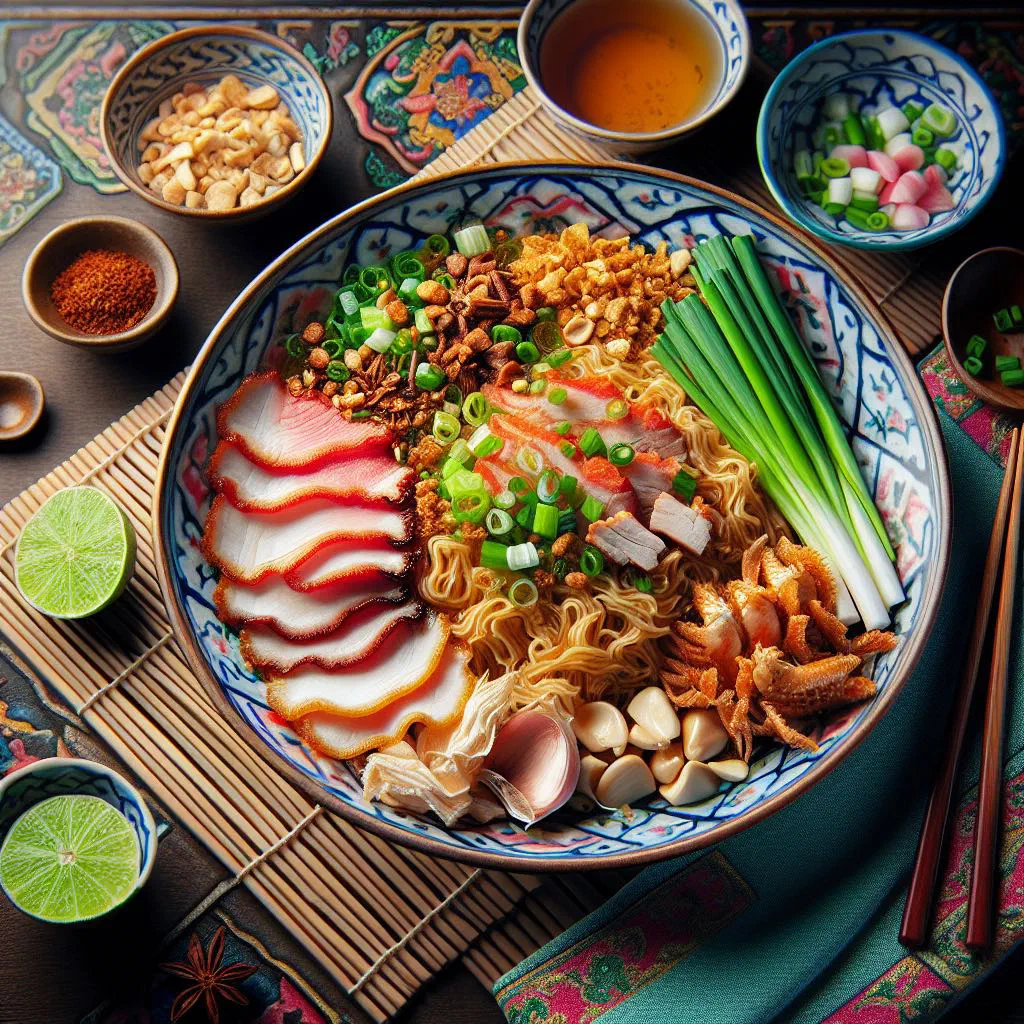
Meet Ba Mee Haeng, a much-loved Thai noodle dish that brings springy egg noodles together with tender meat and crisp, colourful vegetables. Far from a heavy, brothy bowl, this is a “dry” noodle dish where every strand is coated in a glossy, savoury sauce. Sweet, salty and gently spiced, it captures the lively balance that makes Thai cooking so addictive, and it comes together quickly enough for a busy weeknight.
About Ba Mee Haeng
Ba Mee Haeng is a traditional Thai noodle dish that wins people over with its combination of firm egg noodles, tender meat and fresh vegetables. It showcases the wonderful variety of Thai cuisine and invites you to explore its harmonious flavours. Particularly striking is the aromatic, savoury sauce that lends the dish a real depth of character. By skilfully balancing sweet, salty and spicy notes, every mouthful becomes a treat for the senses.
Ingredients (serves 1–2)
- 200 g firm egg noodles
- 150 g tender meat (e.g. chicken or pork)
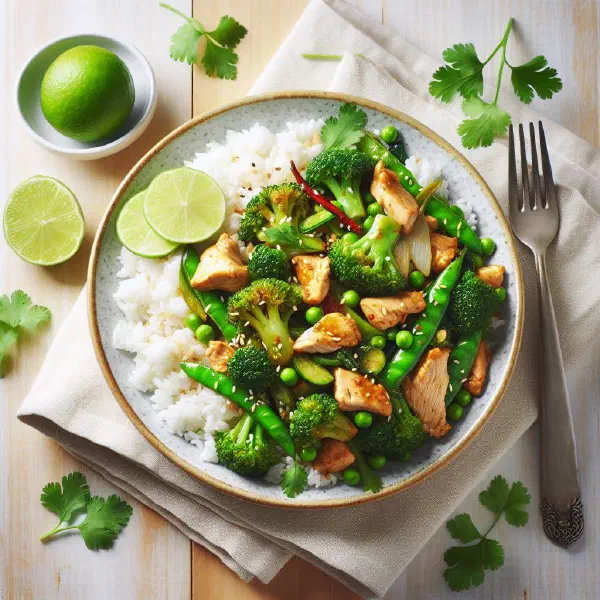
- 100 g fresh vegetables (e.g. broccoli, carrots)
- 500 ml chicken stock
- 2 tablespoons soy sauce
- 1 tablespoon oyster sauce
- 1 teaspoon sesame oil
- Fresh coriander leaves, to garnish
Shopping for the ingredients
Before you start preparing Ba Mee Haeng, it is important to gather everything you need. Pay a visit to an Asian grocery to track down fresh egg noodles and authentic sauces such as soy sauce and oyster sauce. Be sure to choose good-quality meat that holds up well to quick cooking. Fresh vegetables like broccoli or carrots add a satisfying crunch and round out the dish beautifully.
Preparing the dish
Good preparation is the key to a successful Ba Mee Haeng. Start by slicing the meat thinly so that it cooks through evenly. Wash the vegetables well and cut them into bite-sized pieces. These few groundwork steps help the cooking run smoothly and save you time once the pan is hot.
Step-by-step instructions
- Bring the chicken stock to the boil in a pan.
- Add the egg noodles and cook according to the packet instructions until they are al dente.
- While the noodles cook, heat the sesame oil in a separate frying pan and brown the prepared meat until golden.
- Add the chopped vegetables and stir-fry everything together for around 3–5 minutes.
- Once the noodles are ready, drain them and tip them into the pan with the meat and vegetables.
- Pour over the soy sauce and oyster sauce and stir everything together well.
- Serve the dish hot, garnished with fresh coriander leaves.
Gluten-free / lactose-free version
If you would like a gluten-free version of Ba Mee Haeng, you can use gluten-free egg noodles made from rice or maize. Just as importantly, check that your sauces are gluten-free, something that is easy to find in many supermarkets these days. Making the dish lactose-free is simple too, since it contains no dairy at all. Do take care, however, to choose a lactose-free option when buying stock.
Tips for vegans and vegetarians
Vegan and vegetarian versions of Ba Mee Haeng are easy to put together: simply leave out the meat and use tofu or tempeh instead. These protein-rich alternatives soak up the sauces beautifully and bring plenty of flavour. Swap the chicken stock for a rich vegetable stock to build a satisfying base, much as you would for a comforting Kaeng Hoh. Add extra vegetables such as mushrooms, courgette or peppers to make the dish even more colourful and nourishing.
More tips and tricks
One important tip when making Ba Mee Haeng is not to overcook the noodles, as they will continue to soften once they hit the hot pan. Finish the dish with fresh herbs such as coriander or basil to make it even more fragrant, a trick that works just as well with a stir-fry like Pad Cha. Experiment with different vegetables to suit your own preferences, and adjust the heat with fresh chillies or chilli paste to taste.
Adapting the recipe to your taste
Everyone has their own palate, so feel free to adapt Ba Mee Haeng however you like. Or swap the meat for a plant-based protein, let your creativity run free. The sauces can be varied too. Try a fiery chilli sauce for a little extra kick. What matters most is creating a dish that you and your guests will love.
Ingredient substitutions
If you do not have certain ingredients to hand, alternatives are easy to find. Instead of chicken, you can use beef or pork, depending on your preference. For the noodles, rice noodles also work well in Asian dishes, as they do in a classic like Pad Mee Korat. The sauces are simple to swap as well, mushroom sauce makes a fine stand-in for oyster sauce, particularly in vegetarian versions.
Drink pairing ideas
A range of refreshing drinks goes wonderfully with a meal of Ba Mee Haeng. A classic Thai option such as iced Thai tea or fresh coconut water brings the perfect cooling note. If you fancy something alcoholic, a light beer or a white wine complements the flavours of the dish nicely. For extra enjoyment, homemade lemonade or fruity cocktails play beautifully off the sweet and savoury elements of this Thai favourite.
Serving and presentation ideas
Presentation plays a big part in enjoying Ba Mee Haeng. Serve the dish in a deep bowl to show off its sauce and aromas to best effect. Garnish with fresh coriander and perhaps a few lime wedges for an extra splash of colour. Be sure to serve it piping hot so the flavours stay bright, and set out chopsticks or forks to give the meal an authentic touch.
A bit of history
Ba Mee Haeng has a long history within Thai cooking, deeply rooted in the country’s culture. The versatility of these recipes shows in the many regional preparations, which are often tailored to local tastes. Families have enjoyed this dish for generations, and it frequently appears at festivals and celebrations. With its blend of fresh ingredients and signature Thai seasonings, Ba Mee Haeng is a symbol of Thailand’s rich culinary tradition.
More recipe ideas
Summary: Ba Mee Haeng
Ba Mee Haeng is more than just a noodle dish; it is a heartfelt tribute to Thai cooking. With its combination of firm egg noodles, fresh vegetables and a glossy, savoury sauce, this dish promises an explosion of flavour. Ba Mee Haeng brings a taste of Thailand straight to your table. Let it inspire you to make the most of fresh ingredients and add your own personal touch to this traditional favourite.