National Dish Thailand: Chilli Chicken Stir-Fry (Recipe)

In this article
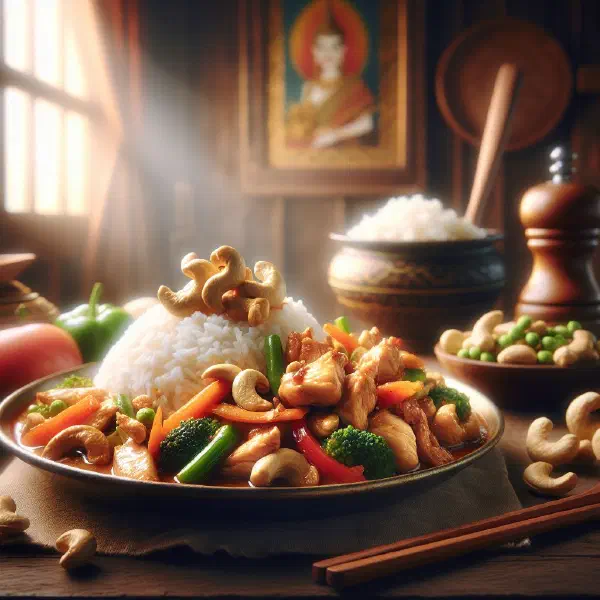
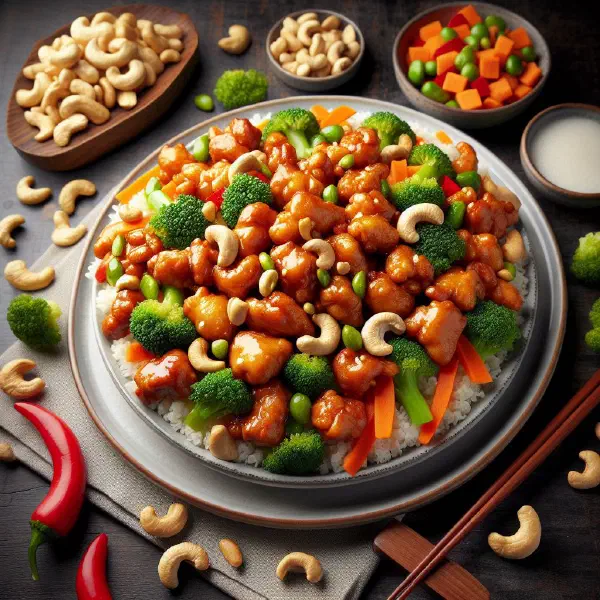
Meet Kai Phat Prik, a fiery Thai stir-fry that brings street-food energy straight to your kitchen. Tender strips of chicken meet crisp peppers, sweet onions and a handful of hot red chillies, all tossed in a glossy, savoury-sweet sauce. It is quick to throw together yet packed with the bold, balanced flavours that make Thai cooking so very good. This dish delivers heat, freshness and comfort in equal measure.
About Kai Phat Prik
Kai Phat Prik is a classic Thai dish built from marinated chicken, a colourful mix of vegetables and plenty of hot chillies. It captures the hallmark balance of Thai cooking, heat, sweetness and savoury depth all in one mouthful. The recipe is wonderfully forgiving and quick to prepare, which is part of its enduring appeal. Ideal for anyone after a simple yet genuinely delicious meal, it works just as well for a fast weeknight dinner as for a relaxed weekend feast.
Ingredients (serves 1–2)
- 200g chicken breast, cut into strips
- 1 red pepper, thinly sliced
- 1 green pepper, thinly sliced
- 1 onion, sliced
- 2–3 cloves garlic, chopped
- 2 tbsp soy sauce
- 2 tbsp oyster sauce
- 1 tsp sugar
- 1–2 red chillies, chopped (to taste)
- 2 tbsp vegetable oil
- Rice, to serve
Shopping for the ingredients
When shopping for the ingredients, look for fresh chicken and crisp, firm vegetables to get the best results. You will find soy sauce and oyster sauce in the world-foods aisle of most supermarkets, or in any Asian grocery. Fresh red chillies are key to an authentic flavour and are widely available in supermarkets too. If you can, pick up the chillies and peppers from a busy market where the produce turns over quickly.
Preparing the dish
Wash and chop the vegetables as set out in the ingredients list. Cut the chicken breast into even strips so it cooks through at the same rate. Finely chop the garlic and chillies to release their aroma. Have every ingredient measured out and within reach before you start cooking, with stir-frying everything moves fast, so a little groundwork keeps the whole process quick and smooth.
Step-by-step instructions
- Heat the vegetable oil in a large pan or wok over a medium heat.
- Add the chopped garlic and fry until fragrant.
- Add the chicken strips and stir-fry until they are cooked through.
- Tip in the sliced peppers and onion, and stir-fry everything together until the vegetables are just tender.
- Add the soy sauce, oyster sauce, sugar and chopped chillies, then stir well to coat.
- Serve the dish hot with rice.
Gluten-free / lactose-free version
For a gluten-free version of this dish, use gluten-free soy sauce, which is now stocked by most supermarkets. As the recipe contains no dairy, it is already lactose-free. That said, if you are particularly sensitive, do double-check that the other store-bought ingredients, especially the oyster sauce, are free from any hidden milk derivatives.
Tips for vegans and vegetarians
To make the dish vegan or vegetarian, swap the chicken for tofu or another plant-based protein. In place of oyster sauce, reach for a mushroom-based vegan oyster sauce so you keep all the rich umami depth without the seafood. Press and pat the tofu dry before frying so it crisps up and soaks in the sauce, much like the tofu in a comforting Pad Pak Bung.
More tips and tricks
For an even more aromatic result, scatter over a handful of fresh Thai basil just before serving. If you like things really fiery, add more chillies or offer a hot sauce on the side. The dish also reheats beautifully. It keeps well in the fridge for up to two days, making it a smart choice for batch cooking or a packed lunch the next day.
Adapting the recipe to your taste
If you prefer a milder dish, simply cut back on the chillies or leave them out altogether. You can also play around with different vegetables, such as broccoli, carrots or mangetout, to suit what you have to hand. For a deeper, warming flavour, stir in a little grated ginger or experiment with different brands of soy sauce until you find one you love.
Ingredient substitutions
If you do not have oyster sauce in the cupboard, you can stand in with a mix of soy sauce and a small pinch of sugar. The red and green peppers can be swapped for other colourful vegetables to give the dish your own personal stamp. Choose your oil to taste, too, peanut oil, for instance, lends a lovely nutty note that suits the bold flavours of dishes like Pad Cha.
Drink pairing ideas
Refreshing drinks pair wonderfully with Kai Phat Prik. A cold beer, especially a Thai one such as Singha, cuts neatly through the heat of the dish. Alternatively, serve a green iced tea or a light, fruity drink such as lemonade. For an alcohol-free option, chilled coconut water is an excellent match and tames the spice beautifully.
Serving and presentation ideas
Serve Kai Phat Prik on a large white plate to show off the vivid colours of the dish. Garnish with a few fresh basil leaves or a scattering of chopped coriander for an extra lift of aroma. A bowl of steamed jasmine rice alongside rounds everything off perfectly and makes for an inviting, appetising spread.
A bit of history
Kai Phat Prik is a traditional Thai dish with roots in the country’s central region. The word kai means chicken, while phat prik refers to stir-frying with chillies. It has long been a firm favourite thanks to its speedy preparation and the many ways it can be varied. The pairing of chicken, vegetables and hot chillies is typical of Thai cuisine and reflects its love of balanced, layered flavours, the same spirit you will find across Thai cuisine.
More recipe ideas
Summary: Kai Phat Prik
Kai Phat Prik is a brilliant way to bring the flavours of Thailand into your own kitchen. With fresh chicken and vegetables wrapped in a savoury, spicy sauce, this dish is a genuine treat. It is easy to adapt to your own preferences and offers endless room for variation. Give this simple, tasty recipe a go and enjoy a little taste of Thailand at home.