National Dish Thailand: Gaeng Gai Baan (Recipe)
In this article
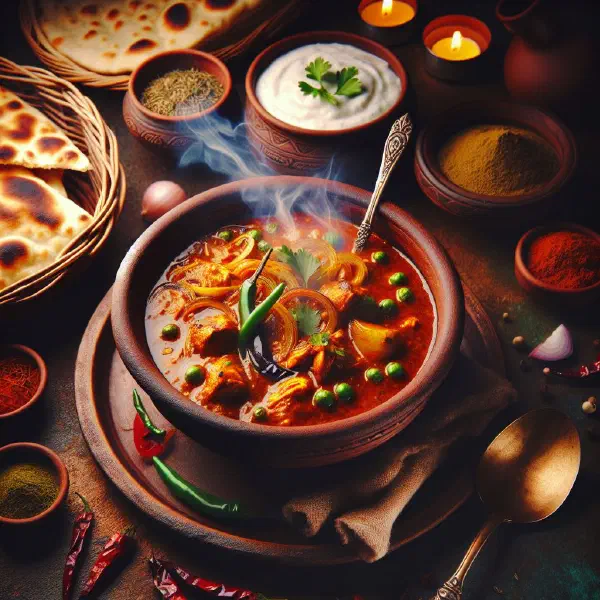
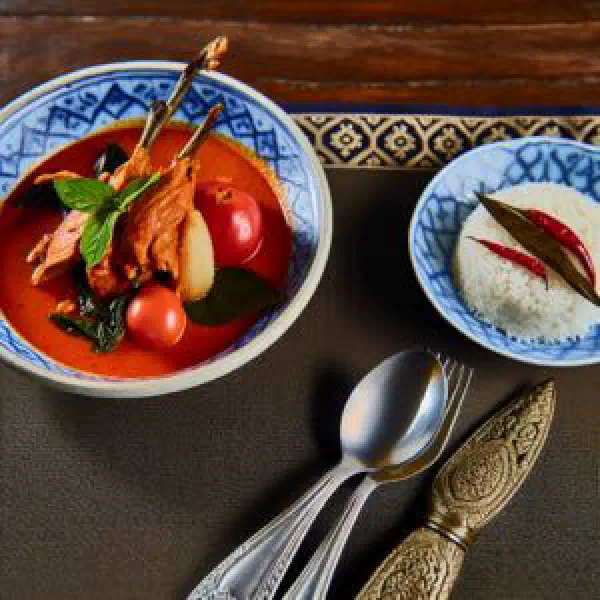
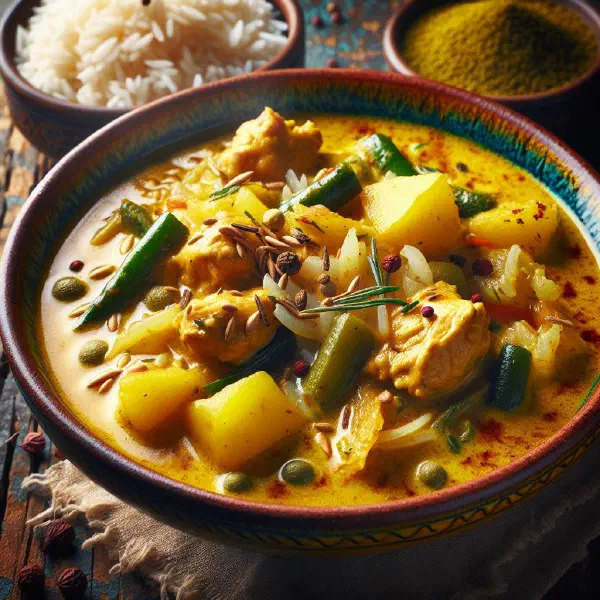
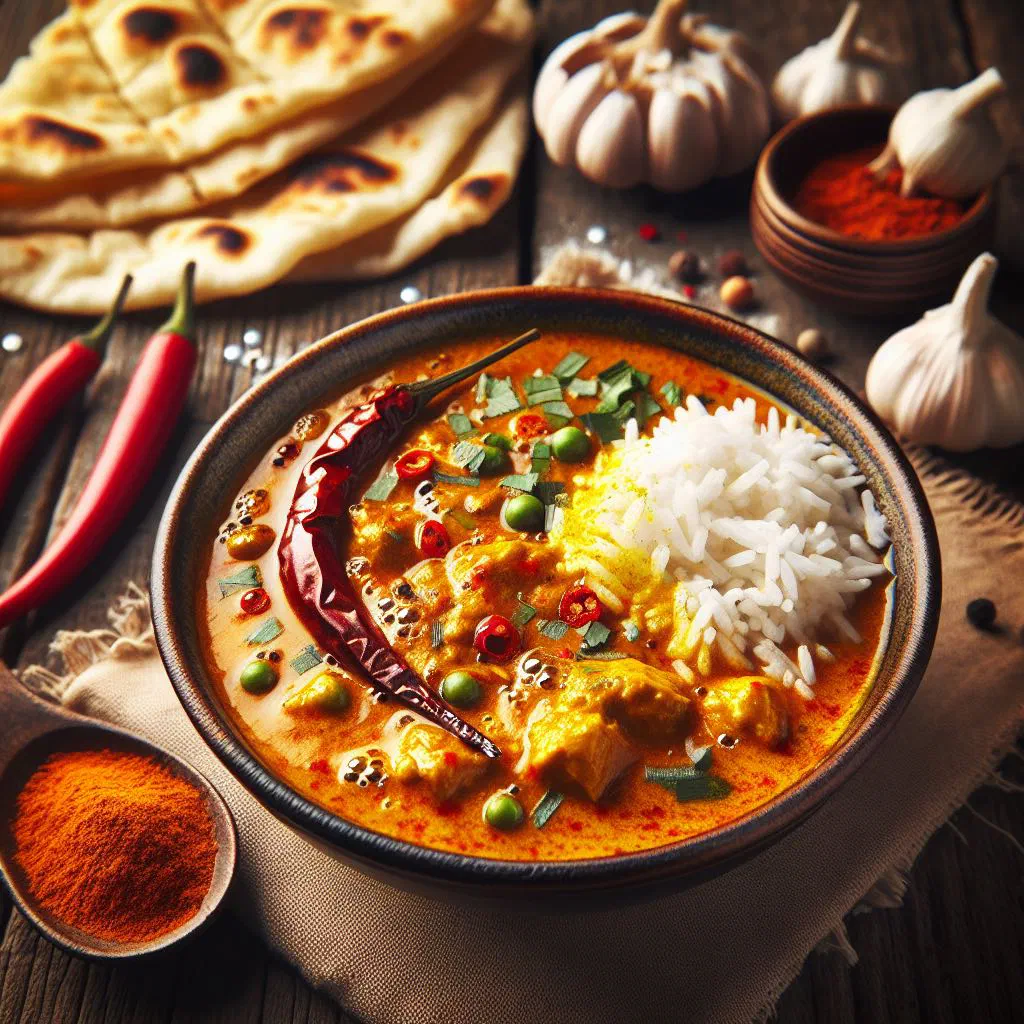
Discover Gaeng Gai Baan, a fragrant home-style chicken curry that sets off a true explosion of flavour on the palate. Tender chicken simmers in rich coconut milk with fresh herbs and a generous spoon of red curry paste, bringing the authentic aromas of Thailand straight to your table. It is wonderfully satisfying yet surprisingly simple to make, equally at home as a quick weeknight supper or the star of a special meal.
About Gaeng Gai Baan
Gaeng Gai Baan is a classic Thai curry that delivers a genuine burst of flavour with every spoonful. Built on a rich blend of coconut milk, fresh herbs and warming spices, the dish carries the unmistakable aromas of Thailand right to your dinner table. It is delicious and relatively easy to prepare, which makes it perfect for a speedy weeknight dinner or a more celebratory occasion. Like much of Thai cuisine, it strikes a careful balance between sweet, sour, salty and spicy notes.
Ingredients (serves 1–2)
- 200g chicken, thinly sliced
- 200ml coconut milk
- 2 tablespoons red curry paste
- 1 cup vegetables of your choice (e.g. peppers, courgette, carrots)
- 1 tablespoon fish sauce
- 1 teaspoon palm sugar
- 5–6 kaffir lime leaves
- 1 cup Thai basil leaves
- Jasmine rice, to serve
Shopping for the ingredients
When shopping for Gaeng Gai Baan, it is well worth paying attention to freshness and quality. This matters especially for the herbs and vegetables, which should be as fresh as possible. You will usually find the red curry paste and coconut milk in an Asian grocery or a well-stocked supermarket. Choose a good-quality fish sauce and palm sugar to guarantee the authentic taste of the finished dish.
Preparing the dish
Begin by cutting the chicken into fine strips. Wash and chop your chosen vegetables into small, bite-sized pieces. The kaffir lime leaves should be lightly torn so they release their aroma more fully. Prepare the jasmine rice by rinsing it thoroughly and cooking it through. Have the remaining ingredients close to hand so the cooking can move along at a brisk, steady pace.
Step-by-step instructions
- Heat the coconut milk in a wok or deep pan over medium heat until it begins to simmer gently.
- Add the red curry paste and stir well until it has dissolved completely into the coconut milk.
- Add the chicken and fry for about 5 minutes, until lightly browned on the outside.
- Add the vegetables and continue cooking until tender but still with a little bite.
- Stir in the fish sauce, palm sugar and kaffir lime leaves and mix everything together well.
- Finally, stir through the Thai basil for a few moments before serving the curry.
Gluten-free / lactose-free version
Gaeng Gai Baan is easy to adapt to dietary needs. Coconut milk is naturally lactose-free, which makes this dish ideal for anyone with a lactose intolerance. When choosing your fish sauce, check that it contains no gluten-based additives. Alternatively, you can use a gluten-free soy sauce to keep the dish suitable for those avoiding gluten.
Tips for vegans and vegetarians
For a vegan or vegetarian version of Gaeng Gai Baan, simply swap the chicken for tofu or seitan. In place of fish sauce, use a mix of soy sauce and a little lime juice to keep that savoury, umami depth. These small adjustments make the curry just as flavourful and satisfying as the original. If you enjoy a meat-free spread, it pairs nicely with a vegetable-forward dish like Pad Pak Bung.
More tips and tricks
To intensify the flavour of Gaeng Gai Baan, fry the curry paste briefly in a little oil first, which helps release its aromas more fully. For a thicker consistency, let the coconut milk reduce for a few extra minutes. If the curry turns out too spicy, stir in a spoonful of sugar or an extra splash of coconut milk to soften the heat.
Adapting the recipe to your taste
Gaeng Gai Baan is wonderfully flexible and easy to tailor to personal preference. Add extra vegetables such as baby corn or broccoli, for example. If you like things hot, use more red curry paste or a few fresh chillies. You can also fine-tune the saltiness simply by adjusting the amount of fish sauce you add. For a richer, peanut-laced alternative, you might branch out into a Gaeng Massaman.
Ingredient substitutions
If you do not have every ingredient to hand, there are plenty of alternatives. In place of kaffir lime leaves, a little lime zest works well. Palm sugar can be swapped for brown sugar or honey. If you cannot find fresh Thai basil, dried basil will do at a pinch, though it should be used sparingly. The same red curry base also underpins a vegetable curry like Pad Pak Gaeng Daeng.
Drink pairing ideas
Refreshing drinks that complement the curry’s flavours pair beautifully with Gaeng Gai Baan. A classic Thai iced tea offers a sweet counterpoint to the spice. Wine lovers might reach for a well-chilled Riesling or Sauvignon Blanc, both of which harmonise well thanks to their freshness and gentle sweetness. A cold beer, especially a light lager, also goes down a treat.
Serving and presentation ideas
An attractive presentation makes Gaeng Gai Baan even more appetising. Serve the curry in a bowl, garnished with fresh Thai basil leaves and a few thinly sliced chillies on top. The jasmine rice can be arranged in a small dish or shaped into a neat mound alongside. A lime wedge perched on the rim of the bowl adds a fresh splash of colour.
A bit of history
Gaeng Gai Baan has its roots in the rich culinary tradition of Thailand. It was originally prepared in the rural areas of the north before quickly finding its way into kitchens across the country. The dish is defined by its balance of sweet, sour, salty and spicy notes, making it a prime example of Thai food culture. It is often served at festivals and special occasions, symbolising the variety and richness of the country’s cooking. Those drawn to its northern heritage may also enjoy Kaeng Hung Ley.
More recipe ideas
Summary: Gaeng Gai Baan
Gaeng Gai Baan is a versatile Thai curry distinguished by its complex, well-balanced flavours. It is straightforward to make and adapts readily to different dietary needs and taste preferences. With fresh ingredients and a few clever touches, it delivers a true explosion of flavour on the plate every single time. Give it a go yourself and let the aromas of Thailand work their magic.