National Dish Thailand: Gaeng Hang Lay (Recipe)
In this article
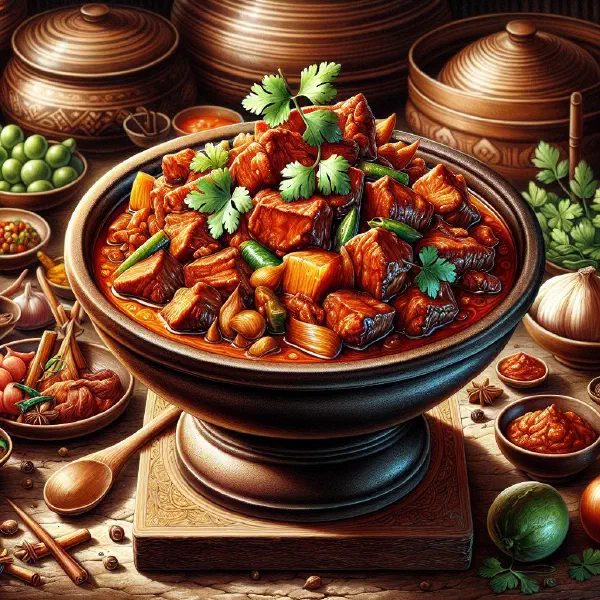
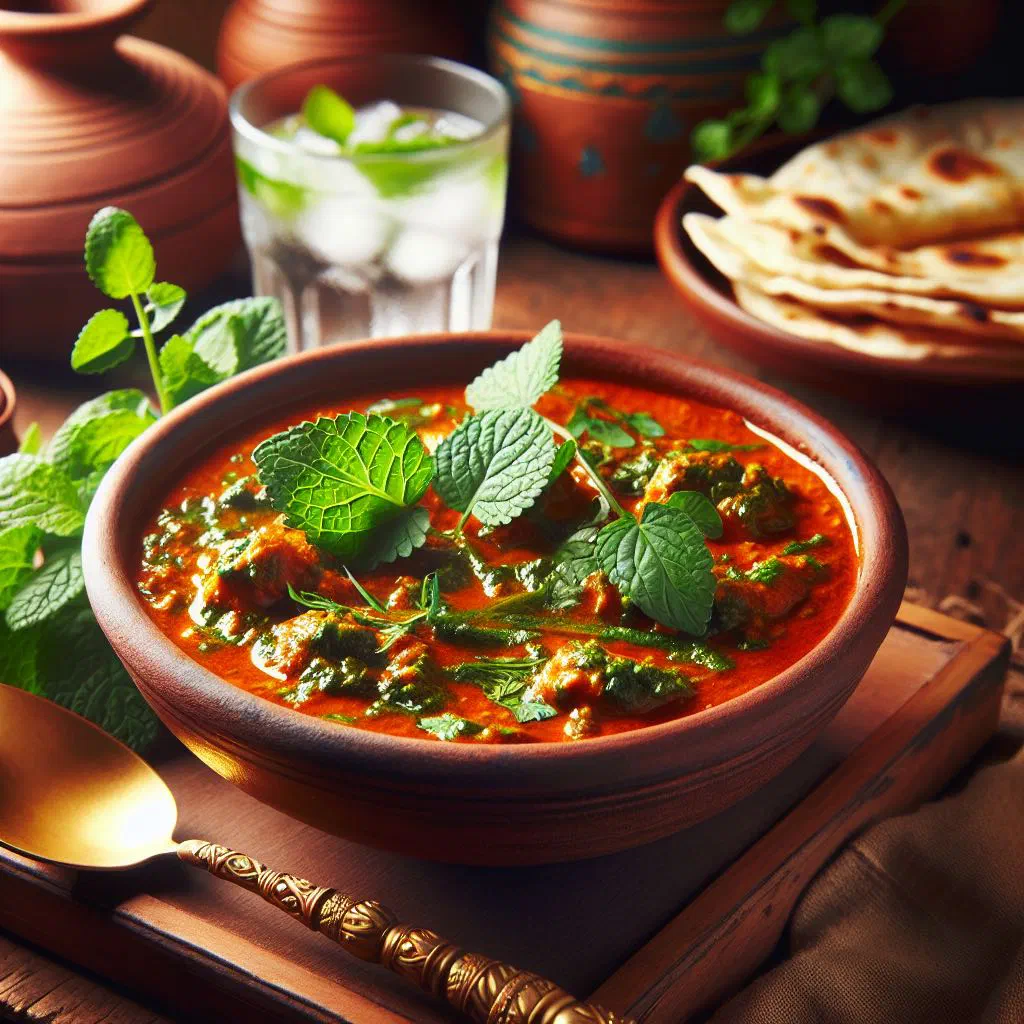
Discover Gaeng Hang Lay, a rich pork curry from the mountainous north of Thailand that fills the kitchen with deep, fragrant aromas. Slow-cooked pork belly turns meltingly tender in a spiced, slightly sour sauce built on tamarind, ginger and warming curry paste. It is comfort food with real character. Perfect for a special occasion or a relaxed evening at home. Bring a taste of the Lanna kingdom straight to your own table.
About Gaeng Hang Lay
Gaeng Hang Lay is a traditional dish from northern Thailand that wins people over with its intense, layered aromas. At its heart is a spiced pork curry made unmistakable by its blend of herbs and spices. The dish is a fine example of just how varied and generous Thai cooking can be. Gaeng Hang Lay is often served and savoured at special gatherings, where its slow-simmered richness really comes into its own.
Ingredients (serves 1–2)
- 300g pork belly
- 2 tablespoons red curry paste
- 1 tablespoon tamarind paste
- 1 tablespoon soy sauce
- 2 tablespoons chopped garlic
- 1 tablespoon chopped ginger
- 2 tablespoons peanut oil
- 200ml coconut milk
- 1 teaspoon palm sugar
- Salt to taste
- Fresh coriander leaves, to garnish
Shopping for the ingredients
To make the very best Gaeng Hang Lay, the quality of your ingredients matters enormously. Look for fresh pork belly, as this is what gives the dish its juicy, tender texture. For the curry paste, it is worth seeking out an authentic Thai brand from an Asian grocery. The tamarind paste should also be of good quality, as it guarantees the characteristic tangy note that defines this curry.
Preparing the dish
Preparation begins by cutting the pork belly into small, even pieces so the meat cooks through uniformly. The garlic and ginger need to be finely chopped so their aromas spread evenly through the sauce. Good groundwork is the key to flavour here, so take a little care to prepare every ingredient properly before you start cooking.
Step-by-step instructions
- Heat the peanut oil in a pot and fry the chopped garlic and ginger until golden brown.
- Add the red curry paste and stir until the aromas open up and become fragrant.
- Add the pork belly and brown it on all sides until golden.
- Stir in the tamarind paste, soy sauce and palm sugar, mixing everything together well.
- Pour in the coconut milk and let it all simmer gently over medium heat until the meat is tender.
- Season with salt to taste and garnish with fresh coriander leaves.
Gluten-free / lactose-free version
Gaeng Hang Lay is easy to adapt to special dietary needs. Use a gluten-free soy sauce to keep the dish free from gluten. Because the recipe already relies on coconut milk, it is naturally lactose-free. Just take care when choosing your ingredients that no hidden sources of gluten slip in through pre-made pastes or sauces.
Tips for vegans and vegetarians
For a vegan or vegetarian version, you can replace the pork belly with tofu or tempeh. The remaining ingredients can stay the same, as they are all plant-based. Make sure your curry paste contains no fish sauce, or prepare your own paste from scratch without any animal products for a fully plant-based result.
More tips and tricks
To get the most from your Gaeng Hang Lay, let it rest for a few minutes after cooking. This gives the aromas time to develop and round out fully. Use fresh herbs such as coriander and Thai basil to garnish, adding an extra layer of fragrance. If you like things hotter, stir in fresh or dried chillies for a bolder kick.
Adapting the recipe to your taste
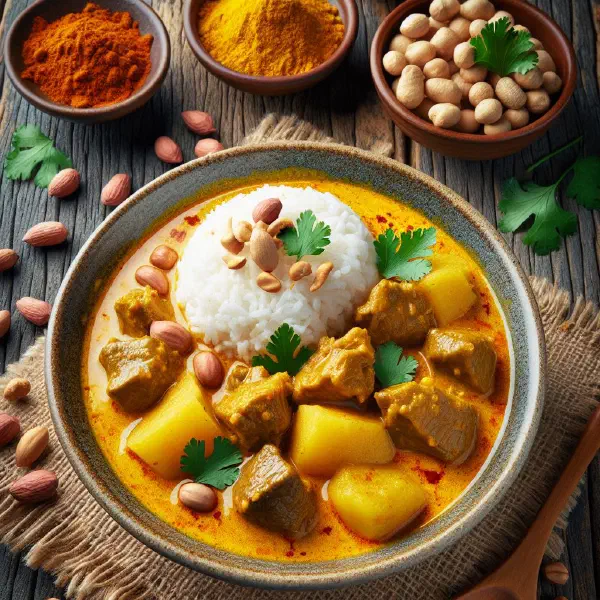
Gaeng Hang Lay is easily tailored to personal preference. If you prefer it milder, simply reduce the amount of curry paste. For a sweeter profile, add a little more palm sugar. Don’t be afraid to experiment with the spices until you find your perfect balance, much like you would when cooking a richer Gaeng Massaman.
Ingredient substitutions
If some ingredients are hard to find, there are simple swaps to fall back on. In place of tamarind paste, you can use lime juice to achieve a similar sour note. Brown sugar makes a fine stand-in for palm sugar. The flavour may shift a touch, but the dish stays just as delicious, the same easy-going spirit you’ll find in a stir-fry such as Kai Pad Khing.
Drink pairing ideas
A range of drinks pairs beautifully with Gaeng Hang Lay. A Thai iced tea with milk can soften the heat and complements the aromas perfectly. A light, fruity white wine is another good choice. For an alcohol-free option, a refreshing ginger and lime juice works wonderfully alongside the rich, spiced sauce.
Serving and presentation ideas
Thoughtful presentation can heighten the whole experience of Gaeng Hang Lay. Serve the curry in traditional Thai bowls and garnish with fresh herbs. Fragrant jasmine rice is the ideal partner, especially when shaped neatly with small moulds. Use colourful plates to make the dish as inviting to the eye as it is to the palate.
A bit of history
Gaeng Hang Lay has its roots in the Lanna cuisine of northern Thailand and reflects the cultural influences of the region, including spice traditions carried in from neighbouring Burma. Originally a dish for festivals, it has grown into a much-loved everyday meal. Passed down from generation to generation, it remains a symbol of northern Thai cookery and a proud part of Thai cuisine.
More recipe ideas
Summary: Gaeng Hang Lay
Gaeng Hang Lay is a wonderful Thai dish that shines through its aromatic blend of spices and herbs. With the right ingredients and a little patient cooking, this curry is easy to recreate at home. It suits both special occasions and a cosy evening meal in equal measure. Give it a try and enjoy a touch of Thailand in your own kitchen.