National Dish Thailand: Gaeng Kari Gai (Recipe)
In this article
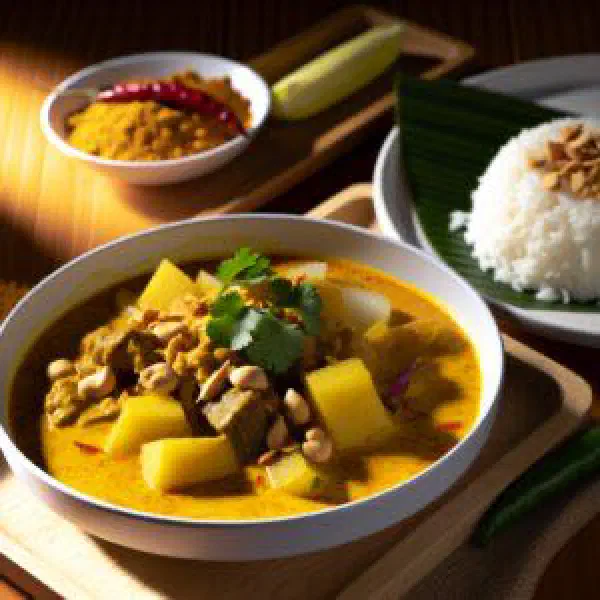
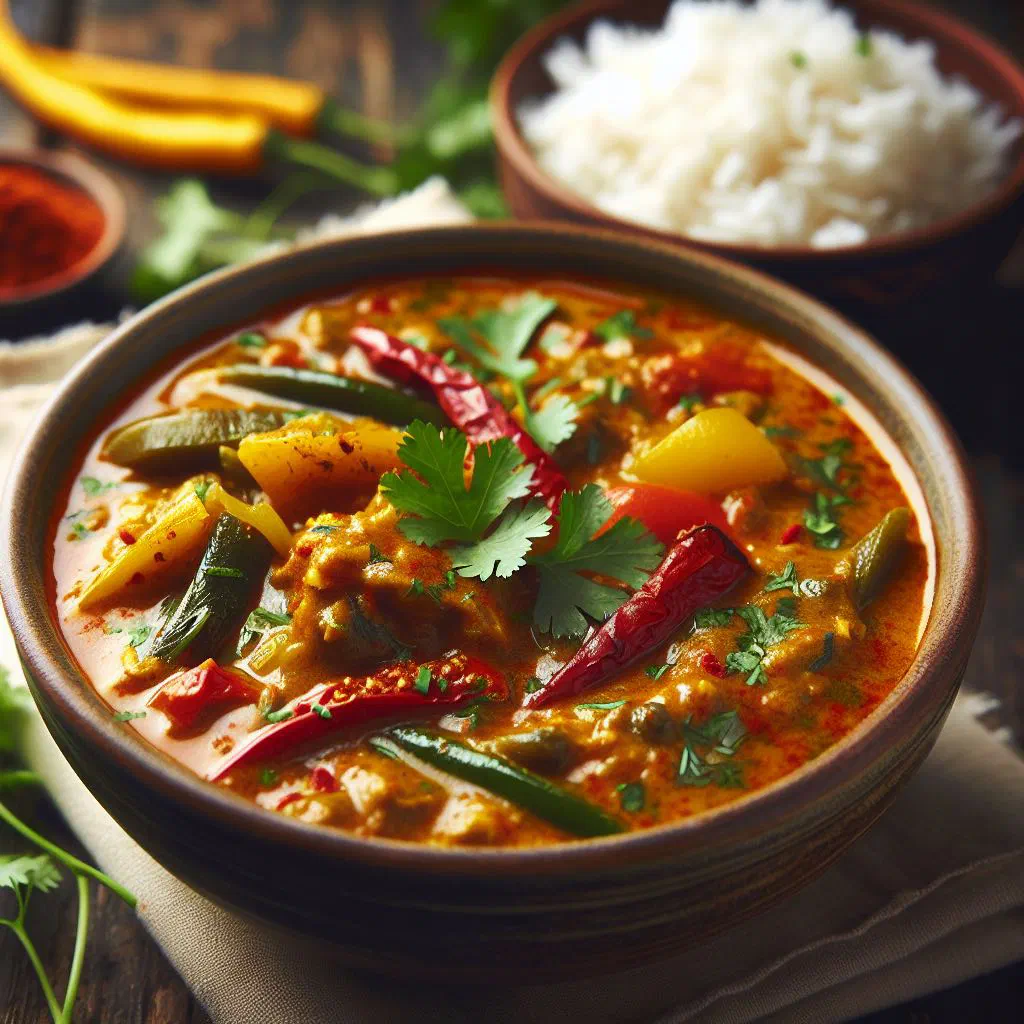
Discover Gaeng Kari Gai, the fragrant yellow chicken curry that ranks among Thailand’s most cherished dishes. Tender chicken simmers in silky coconut milk with potatoes, onions and a warming blend of golden spices, creating a curry that is rich without being heavy. It is comforting enough for a quiet midweek supper yet elegant enough to impress guests, and it brings the sunny flavours of Thailand straight to your table.
About Gaeng Kari Gai
Gaeng Kari Gai, also known as Thai yellow chicken curry, is a culinary gem from Thailand. The dish wins everyone over with its rich, aromatic flavour, built from a careful selection of spices and herbs. Perfect for a relaxed dinner at home or for impressing guests, it is a must for anyone who loves Thai food. In the steps below we show you exactly how to recreate this wonderful dish in your own kitchen, with results that taste every bit as good as the curries served in Thailand.
Ingredients (serves 1–2)
- 200g chicken breast, cut into pieces
- 2 tablespoons yellow curry paste
- 200ml coconut milk
- 1 potato, diced
- 1 onion, sliced into rings
- 2 tablespoons fish sauce
- 1 tablespoon palm sugar
- Salt and pepper, to taste
- Fresh coriander, to garnish
Shopping for the ingredients
You will find most of the ingredients for Gaeng Kari Gai in a well-stocked supermarket or an Asian grocery. The yellow curry paste and the coconut milk in particular are essential components, and both are usually easy to track down at an Asian shop. Fresh coriander and fish sauce are likewise typical Asian staples that contribute to the dish’s unmistakable flavour, so it is worth seeking out good-quality versions where you can.
Preparing the dish
Preparation for Gaeng Kari Gai begins with cutting the chicken breast into bite-sized pieces. Next you prepare the potato and onion: dice the potato and slice the onion into fine rings. These steps matter, because they make sure every ingredient cooks evenly and has the chance to release its flavour fully.
Step-by-step instructions
- Heat a tablespoon of oil in a pan and add the yellow curry paste. Stir until the paste becomes fragrant.
- Add the chicken pieces and fry until lightly browned.
- Pour in the coconut milk and stir well, then bring briefly to the boil.
- Add the diced potatoes and the onion rings. Let the curry simmer over medium heat until the potatoes are tender.
- Season the curry with fish sauce, palm sugar, salt and pepper to taste.
- Serve the curry hot and garnish with fresh coriander.
Gluten-free / lactose-free version
Gluten-free and lactose-free versions of Gaeng Kari Gai are easy to manage. The traditional recipe contains no gluten-bearing ingredients, so you simply need to make sure that any products you use, such as ready-made blends or sauces, are free of unwanted additives. Coconut milk is naturally lactose-free, which makes this dish ideal for anyone who is lactose intolerant.
Tips for vegans and vegetarians
Vegans and vegetarians can enjoy Gaeng Kari too, by swapping the chicken for tofu or vegetables. Firm vegetables such as sweet potatoes, carrots and peppers work especially well here. Trade the fish sauce for soy sauce or tamari to conjure up the perfect vegan-friendly curry, and you will lose none of the dish’s signature warmth and depth.
More tips and tricks
For a particularly intense aroma, briefly fry the yellow curry paste in hot oil before you add anything else. This releases the essential oils and deepens the flavour. Take care, too, to cut the potatoes into evenly small pieces so they cook quickly and turn tender without the rest of the curry overcooking in the meantime.
Adapting the recipe to your taste
The recipe for Gaeng Kari Gai is easy to adjust to your personal preferences. If you like it spicier, add a few extra chillies. If coriander is not to your taste, swap it for fresh basil or parsley. This flexibility is one of the reasons the dish is so popular, and it sits comfortably alongside other crowd-pleasers like Gaeng Massaman.
Ingredient substitutions
If you do not have certain ingredients to hand, there are several alternatives you can use. In place of chicken breast, other protein sources such as turkey breast or prawns work well. Instead of palm sugar you can reach for brown sugar. The important thing is to keep the core aromatic components in place so the authentic flavour is preserved.
Drink pairing ideas
A spicy curry like Gaeng Kari Gai goes wonderfully with chilled white wines such as Riesling or Sauvignon Blanc. Their acidity highlights the savoury, fragrant notes of the curry. Equally popular are fruity drinks like a mango lassi or a pineapple smoothie, which offer a refreshing counterpoint to the warmth of the spices.
Serving and presentation ideas
We eat with our eyes first, as the saying goes. Serve the Gaeng Kari Gai in a handsome bowl and garnish it with fresh coriander and thin slices of red chilli. Alongside, offer jasmine rice or sticky rice shaped in small individual moulds for a professional-looking finish that turns a simple supper into something special.
A bit of history
Gaeng Kari Gai has its origins in the royal Thai kitchen and was originally served to the nobility. The use of premium ingredients such as coconut milk and exotic spices made it a luxurious treat. Over time it grew into a much-loved dish that is now enjoyed all across Thailand and forms part of the wider tapestry of Thai cuisine, much like the comforting Kaeng Ped red curry.
More recipe ideas
Summary: Gaeng Kari Gai
Gaeng Kari Gai is a wonderful dish that impresses with its versatility and its rich flavour. The preparation is simple and the result is always impressive. It is sure to be a resounding success. Try this recipe today and enjoy a little piece of Thailand in your own kitchen.