National Dish Thailand: Gaeng Liang (Recipe)

In this article
Step into the kitchens of Thailand with Gaeng Liang, a fragrant herbal soup brimming with garden vegetables and gentle spice. Light yet deeply satisfying, it is the kind of bowl Thai cooks reach for when they want something nourishing without any fuss. The mix of fresh produce and warming aromatics makes it very comforting, and best of all it is wonderfully simple to put together at home.
About Gaeng Liang
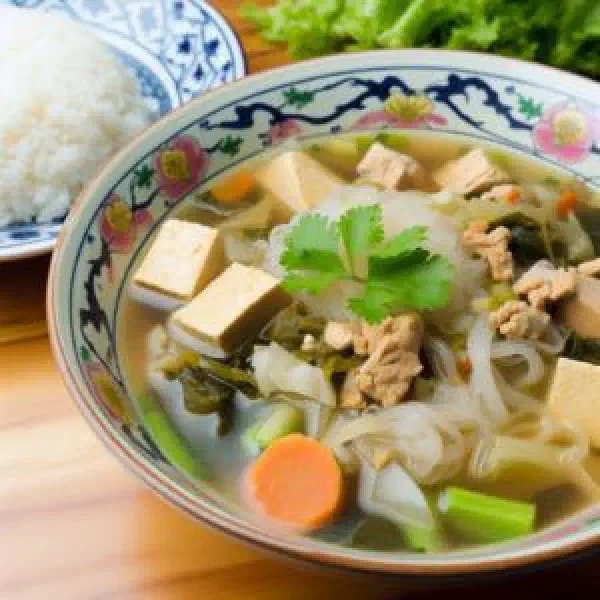
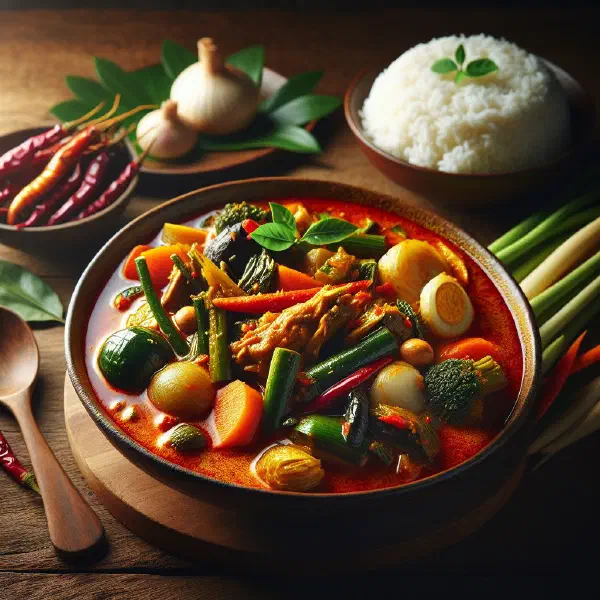
Gaeng Liang is a traditional Thai soup celebrated for its layered flavours and its wholesome, nourishing ingredients. It brings together an inviting medley of vegetables and soothing spices that combine into a genuinely distinctive taste. The dish is especially popular in central Thailand, where it features regularly on the family table. What sets it apart is its light yet filling character, a soup that satisfies without ever feeling heavy, and one that sits comfortably within the broader world of Thai cuisine.
Ingredients (serves 1–2)
- 200g mixed vegetables (e.g. courgette, pumpkin, baby corn)
- 100g tofu or chicken, diced
- 2 cloves garlic, chopped
- 2 tablespoons soy sauce
- 1 tablespoon fish sauce (optional)
- 400ml chicken or vegetable stock
- 1–2 tablespoons red curry paste
- 1 tablespoon vegetable oil
Shopping for the ingredients
Putting together Gaeng Liang calls for a handful of specific ingredients, most of which you will find in a well-stocked supermarket or an Asian grocery. Pay particular attention to choosing fresh vegetables and good-quality tofu or chicken, as these form the backbone of the soup. Organic produce will reward you with the truest flavour. Red curry paste and fish sauce are readily available on the shelves of most Asian food shops.
Preparing the dish
Before you begin cooking, it pays to get all your ingredients ready. Cut the vegetables into even pieces so they cook through at the same rate, and dice the chicken or tofu into neat, bite-sized cubes. Chop the garlic finely to coax out its full aroma.
Step-by-step instructions
- Heat the vegetable oil in a large pot over a medium heat.
- Add the chopped garlic and the red curry paste, and fry until fragrant.
- Tip in the diced chicken or tofu and sauté lightly.
- Stir in the soy sauce and fish sauce, mixing well.
- Add the prepared vegetables and the stock, then let the soup simmer for about 15–20 minutes.
- Taste and adjust the seasoning as needed.
Gluten-free / lactose-free version
Gaeng Liang adapts effortlessly to a gluten-free and lactose-free diet. Use a gluten-free soy sauce and double-check that your curry paste contains no traces of wheat. Because the soup includes no dairy at all, it is naturally lactose-free from the start. With these small tweaks, everyone can enjoy the dish without restriction.
Tips for vegans and vegetarians
To make Gaeng Liang suitable for vegans and vegetarians, simply replace the chicken with tofu or extra vegetables. In place of fish sauce, reach for soy sauce or a vegan fish-sauce alternative to keep that savoury depth intact. These minor swaps leave the flavour every bit as bright, turning the soup into a thoroughly plant-based treat.
More tips and tricks
For a particularly wholesome version of the soup, you might fold in superfoods such as quinoa or chia seeds. Keep an eye on the vegetables so they stay just tender. That way you preserve the most nutrients and the best texture. Stirring in fresh herbs like coriander or Thai basil at the very end of cooking lifts and intensifies the overall flavour.
Adapting the recipe to your taste
The recipe for Gaeng Liang is easy to shape to your own preferences. If you like things hotter, add more red curry paste or a scattering of fresh chillies; for a milder bowl, simply hold back on the paste. You can also swap in different seasonal vegetables to keep the soup varied and interesting throughout the year, much like the flexible spirit behind Pad Pak Bung.
Ingredient substitutions
If you find yourself missing certain ingredients, there are plenty of easy alternatives. Aubergine, for instance, makes a fine stand-in for courgette. When fish sauce is unavailable, soy sauce steps in admirably. And depending on your preference, you can move freely between chicken and vegetable stock, the same kind of adaptable approach that suits a hearty bowl of Kanom Jeen Nam Ya.
Drink pairing ideas
Gaeng Liang goes beautifully with a cold beer such as the Thai favourite Singha. For an alcohol-free option, a refreshing iced green tea with lemon hits the spot, while coconut water also harmonises nicely with the soup’s herbal notes. Each of these drinks rounds out the eating experience in its own pleasing way.
Serving and presentation ideas
To present Gaeng Liang at its best, try serving it in bowls made from natural materials such as coconut shells. Garnish the soup with fresh herbs like coriander and a squeeze of lime juice, and scatter a few roasted peanuts on top for a satisfying crunch. Touches like these turn the soup into a highlight for the eyes as much as the palate.
A bit of history
Gaeng Liang has a long tradition in Thai cookery, with its origins in central Thailand. It began life as a humble dish, designed to make the most of the fresh produce grown across the region. Over the years it has grown into a much-loved comfort food, and it is served especially often during the monsoon season, when its warming, filling nature is most welcome.
More recipe ideas
Summary: Gaeng Liang
Gaeng Liang is a wonderful dish that celebrates the flavours and ingredients of the Thai kitchen. With just a few well-judged components, you can conjure up a soup full of taste and character. Gluten-free or in the traditional way, this recipe has something to offer every palate. Give it a try and savour the variety of Thailand in a single bowl.