National Dish Thailand: Gaeng Pa (Recipe)
In this article
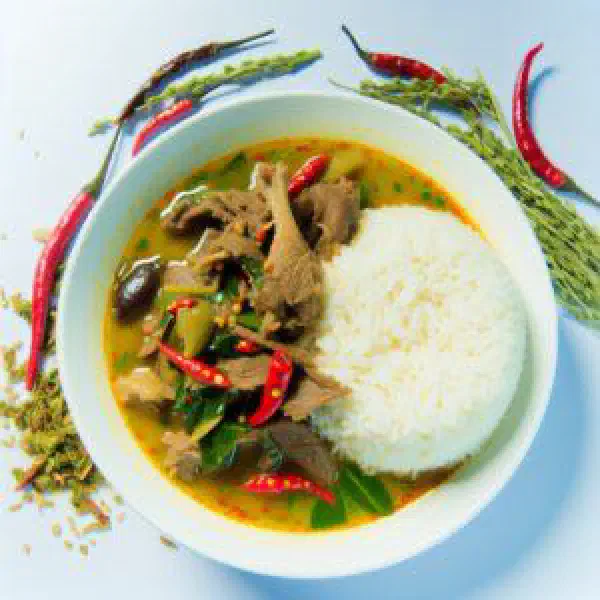
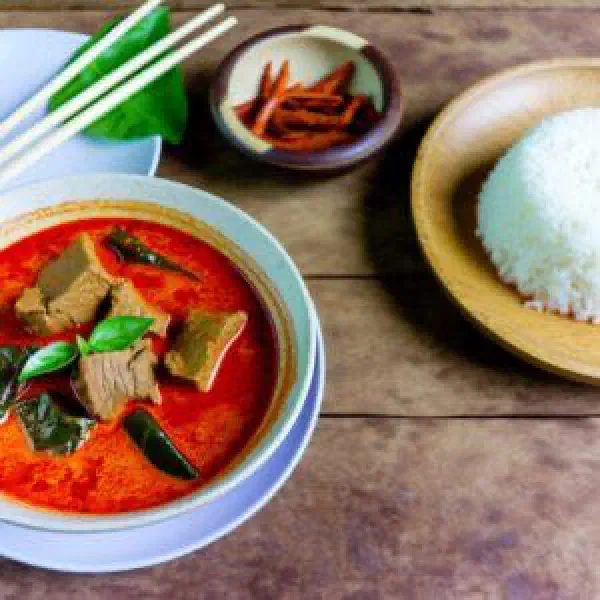
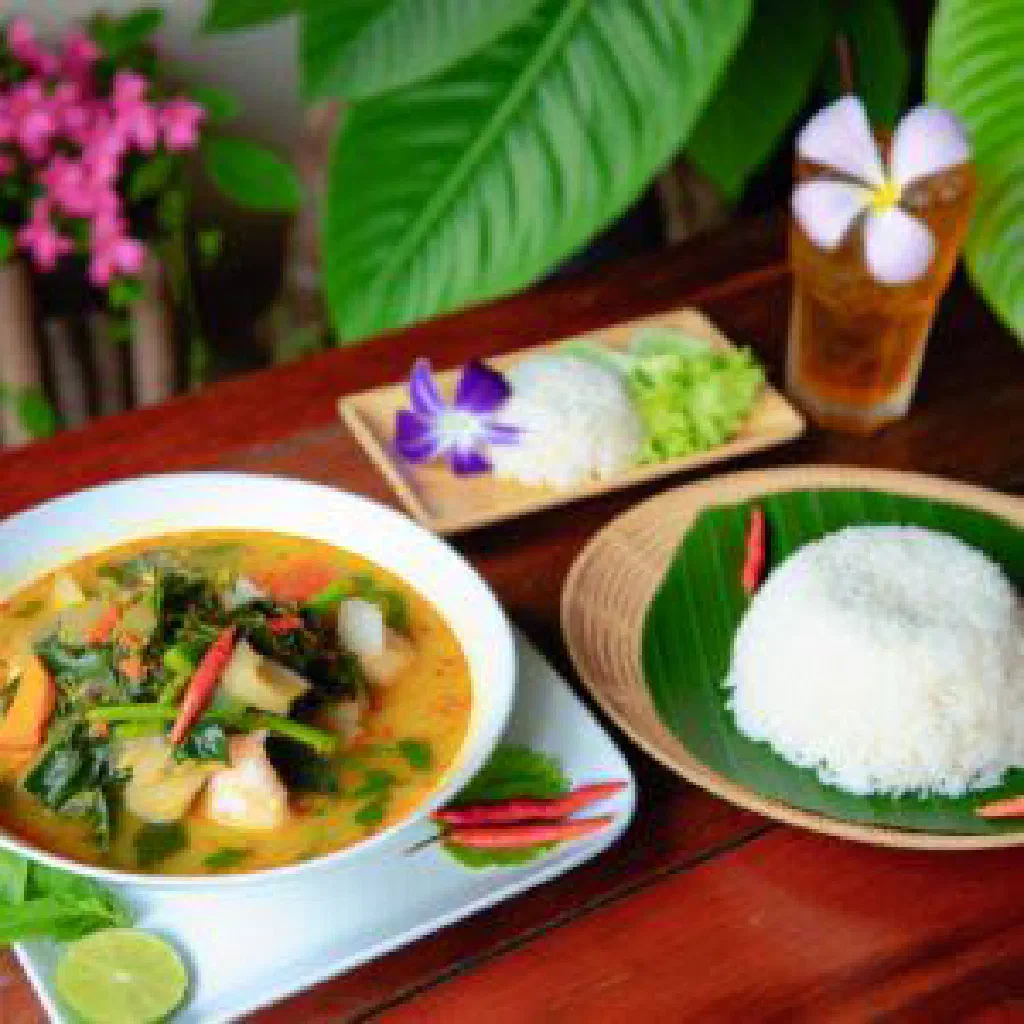
Discover Gaeng Pa, the fiery jungle curry that captures the wild, untamed heart of Thai cooking. Unlike the creamy curries you may know, this one skips the coconut milk entirely, letting a vivid tangle of fresh herbs and spices take centre stage. The result is lighter, brighter and seriously punchy. Perfect for anyone keen to explore the bold, aromatic flavours of authentic Thailand right at home.
About Gaeng Pa
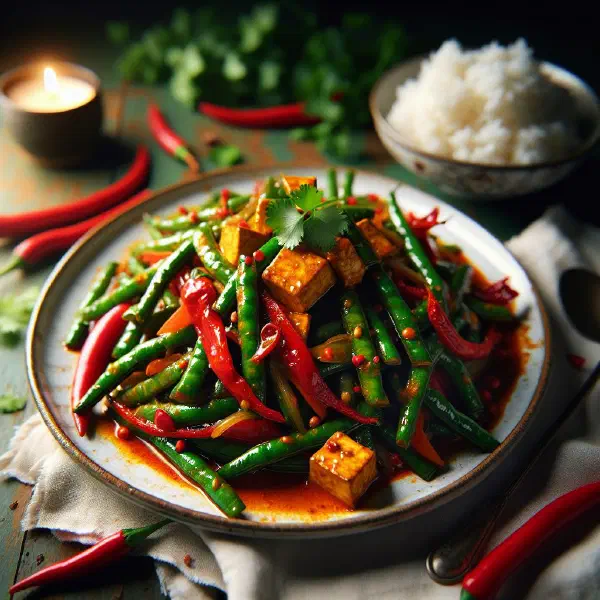
Gaeng Pa, better known as jungle curry, is a hugely popular dish from Thailand, celebrated for its unmistakable character and lively flavour. What sets it apart is an exotic blend of fresh herbs and spices that delivers a truly memorable eating experience. Unlike many other Thai curries, Gaeng Pa is usually made without coconut milk, which keeps it light yet still wonderfully rich in aroma. It is an excellent choice for anyone wanting to explore the exciting, spicy tastes that Thailand is famous for.
Ingredients (serves 1–2)
- 200g chicken or tofu
- 2 tablespoons fish sauce or soy sauce
- 2–3 tablespoons jungle curry paste
- 200ml water or vegetable stock
- 1 pepper, cut into strips
- 1 courgette, sliced
- 100g green beans
- 2 kaffir lime leaves
- 1 tablespoon vegetable oil
- Fresh coriander, to garnish
Shopping for the ingredients
When shopping for Gaeng Pa, it pays to focus on freshness and quality. Pay particular attention to fresh vegetables such as peppers and green beans, which round out the curry beautifully. Visit an Asian supermarket or a specialist grocer to track down authentic ingredients like jungle curry paste and kaffir lime leaves. Check the use-by date on the fish or soy sauce too, to make sure it is at its best.
Preparing the dish
Before you start cooking, it is best to prepare and lay out all of your ingredients. Cut the chicken or tofu into bite-sized pieces. Wash and chop the vegetables into even sizes so they cook through at the same rate. Keep the remaining ingredients, fish sauce, curry paste and water, within easy reach to keep the cooking process flowing smoothly. Make sure your utensils are clean and ready to go before you begin.
Step-by-step instructions
- Heat the vegetable oil in a large pot over medium heat.
- Add the jungle curry paste and stir for about 1–2 minutes until fragrant.
- Add the chicken or tofu and fry until lightly browned.
- Pour in the fish sauce or soy sauce and the water or vegetable stock, then bring everything to a gentle simmer.
- Add the prepared vegetables and the kaffir lime leaves. Cook until the vegetables are tender but still have a little bite.
- Serve the curry hot, garnished with fresh coriander.
Gluten-free / lactose-free version
For a gluten-free version, use gluten-free soy sauce or a special gluten-free fish sauce. This recipe is naturally lactose-free, as no dairy products are used. Even so, do check that all of your ingredients really are lactose-free, especially when relying on processed products such as stock or sauces.
Tips for vegans and vegetarians
For a vegan or vegetarian version of this dish, simply swap the chicken for tofu. In place of fish sauce, reach for soy sauce or another plant-based alternative. Make sure the curry paste contains no animal-derived ingredients; many shop-bought pastes are vegan in any case, but it never hurts to take a quick look at the label.
More tips and tricks
Experiment with different vegetables to tailor the recipe to your liking. Aubergines, carrots or bamboo shoots all work brilliantly in this curry. Alongside coriander, try Thai basil as a garnish to deepen the aroma. The heat is easy to dial up or down with more or less curry paste, depending on just how fiery you like your food.
Adapting the recipe to your taste
Adjust the heat and overall flavour of the curry to suit your palate by using more or less curry paste. If you love things really spicy, add some fresh chillies as well. For a milder result, use less paste and perhaps a lighter stock. The choice of protein can vary freely too, prawns or other seafood work wonderfully, much as they do in a fragrant Yam Talay.
Ingredient substitutions
If some ingredients are hard to come by, there are plenty of creative alternatives. Kaffir lime leaves can be replaced with a little lime zest to bring a similar freshness. Instead of the traditional jungle curry paste, you can use another curry paste such as green or red curry paste, much like the one at the heart of a Kaeng Ped. Just bear in mind that this will shift the flavour slightly.
Drink pairing ideas
Pair Gaeng Pa with refreshing drinks to balance the dish’s heat. A classic Thai iced tea or a chilled lager goes down a treat. For an alcohol-free option, a lime and mint soda or chilled water with a squeeze of lemon works beautifully. These drinks help cleanse the palate and let the curry’s aromas shine.
Serving and presentation ideas
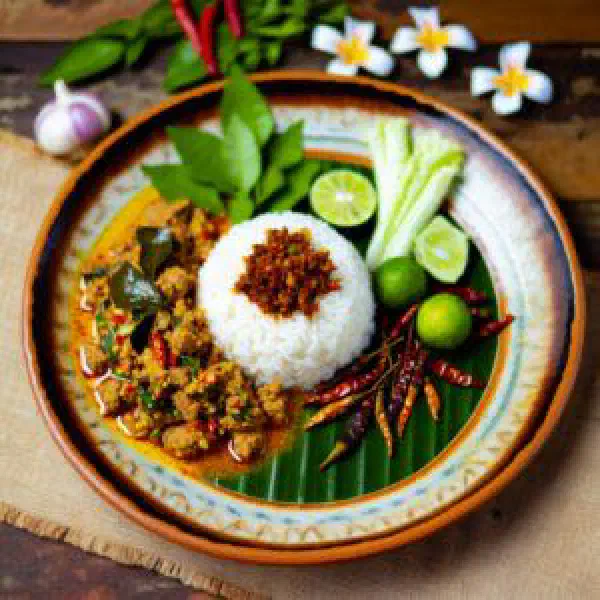
Serve Gaeng Pa in attractive bowls and garnish with fresh herbs such as coriander or Thai basil. A squeeze of fresh lime over the top gives the dish an extra burst of freshness. Set out colourful sides such as steamed jasmine rice or rice noodles to complete the experience, much like the noodles in a comforting Kanom Jeen Nam Ya. A decorative table runner and a pair of chopsticks can round off the presentation.
A bit of history
Gaeng Pa has its roots in northern Thailand and is often called “jungle curry” because it was traditionally made with wild vegetables and herbs gathered from the jungle. Unlike other Thai curries, it does without coconut milk, reflecting its origins in a region where coconut palms are not native. This dish captures the authentic, rustic flavours of the country and showcases the wonderful diversity of Thai cuisine.
More recipe ideas
Summary: Gaeng Pa
Gaeng Pa, the exotic and fiery jungle curry, is a real flavour adventure straight from Thailand. With its fresh herbs and notable lack of coconut milk, it is a light, aromatic alternative to richer curries. It offers wonderful versatility for a range of diets and can be adjusted to taste with ease. Discover the variety and fascination of Thai cooking with this one-of-a-kind dish, your taste buds will thank you for it.