National Dish Thailand: Gaeng Som (Recipe)
In this article
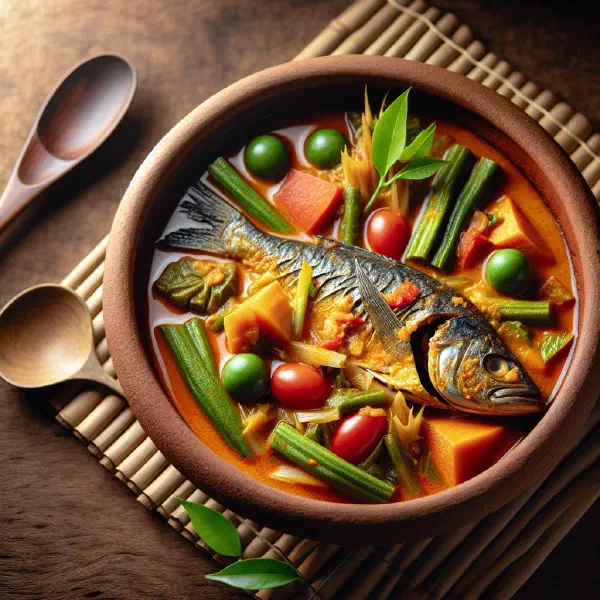
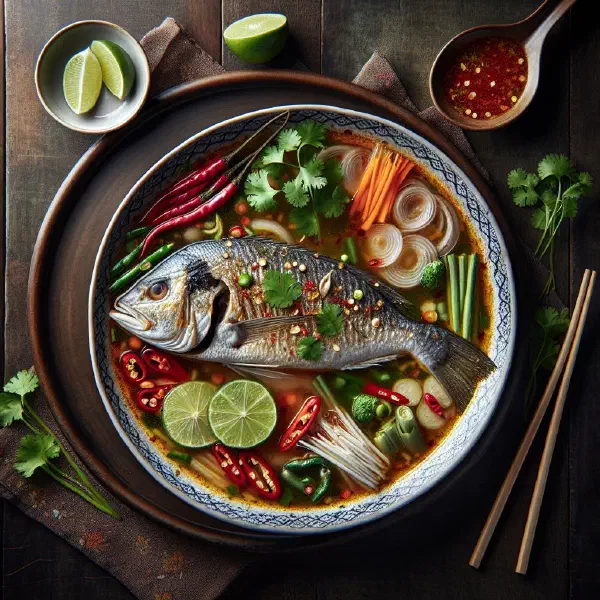
Discover Gaeng Som, the bright sour fish curry that captures the soul of southern Thailand. This bright, tangy soup balances sweet, sour and fiery notes around tender pieces of white fish and crisp vegetables, all carried in a tamarind-rich broth. Light yet boldly flavoured, it is the kind of dish that wakes up the palate and brings the lively spirit of a Thai kitchen straight to your table.
About Gaeng Som
Gaeng Som is a traditional Thai fish soup celebrated for its simple preparation and its intense, mouth-watering flavour. The dish hails above all from the south of Thailand and can be made in countless variations from region to region. It is especially loved for its broth, which is refreshing yet powerful, the hallmark of the south’s most famous sour curry. At its heart sits a clever interplay of sweet, sour and spicy notes that makes every spoonful memorable.
Ingredients (serves 1–2)
- 200 g white fish fillet (e.g. cod or pollock)
- 2 cups water
- 2 tablespoons tamarind paste
- 2 tablespoons fish sauce
- 1 tablespoon palm sugar
- 3–4 kaffir lime leaves
- 100 g carrots, sliced
- 100 g white cabbage, cut into rough pieces
- 1–2 chillies, to taste
- 1 tablespoon red Thai curry paste
- Fresh coriander, to garnish
Shopping for the ingredients
When shopping for Gaeng Som, it is essential to choose fresh fish. Local fish markets often offer the best quality, so it is worth seeking them out. It also pays to visit an Asian grocery to track down authentic ingredients such as tamarind paste and kaffir lime leaves. These are the elements that give the soup its genuine Thai character, and most of them are easy to order online if your local shops fall short.
Preparing the dish
Begin by getting all your ingredients ready. Cut the white fish fillet into bite-sized pieces and set them aside. Wash and slice the vegetables, the carrots and the white cabbage, and prepare the chillies, deseeding and chopping them according to how much heat you fancy. Lay everything out within easy reach so the cooking flows smoothly once the broth is on the heat.
Step-by-step instructions
- Heat the red Thai curry paste in a pot until it smells aromatic, adding a splash of water to keep it from catching.
- Pour in the remaining water along with the tamarind paste, fish sauce and palm sugar. Stir well until everything has fully dissolved.
- Add the sliced vegetables (carrots and white cabbage) and the kaffir lime leaves to the broth, then let it simmer for about 5–10 minutes.
- Slide the fish pieces into the soup and cook over medium heat until the fish is just cooked through, which takes roughly 5–7 minutes.
- Taste and adjust, adding a little more fish sauce or palm sugar as needed.
- Ladle into bowls and garnish with fresh coriander and chopped chillies.
Gluten-free / lactose-free version
Gaeng Som is naturally gluten-free and lactose-free. You need only check that the sauces and pastes you use contain no hidden gluten or lactose. Happily, many traditional fish sauces and curry pastes are perfectly safe for people with these intolerances, so this fragrant soup can be enjoyed without any worry.
Tips for vegans and vegetarians
For a vegan or vegetarian version of Gaeng Som, swap the fish for tofu or tempeh. Replace the fish sauce with a plant-based alternative such as soy sauce or a dedicated vegan fish sauce. The rest of the recipe stays exactly the same and delivers a result every bit as delicious, much like the meat-free spirit behind a fresh Yam Talay.
More tips and tricks
For an even deeper flavour, you can add dried shrimp or shrimp paste, which lend the soup a particularly rich umami note. Dose the chillies carefully to hit your preferred level of heat, the southern style leans hot, but the choice is yours. Tasting as you go is the surest way to keep the sweet, sour and spicy elements in perfect balance.
Adapting the recipe to your taste
Gaeng Som is easy to tailor to personal preference. If you like things hotter, add more chillies; for a milder bowl, increase the palm sugar and ease back on the chilli. You can also vary the vegetables according to the season and what is available, which keeps the dish lively and lets you make it your own each time you cook it.
Ingredient substitutions
If you struggle to find certain ingredients such as tamarind paste or kaffir lime leaves, there are handy alternatives. Lemon juice can stand in for tamarind paste, and lime leaves can be replaced with a little lemon zest. These swaps will not reproduce the exact flavour, but they come close, the same resourceful approach that defines so much of Thailand’s Thai cuisine when authentic ingredients are scarce.
Drink pairing ideas
Gaeng Som goes beautifully with refreshing drinks such as coconut water or Thai iced tea. A light white wine, a Riesling, for instance, also harmonises nicely with the soup’s bright, sour notes. For an authentic touch, you might serve a homemade lime syrup alongside, echoing the citrus that runs through the broth.
Serving and presentation ideas
When presenting Gaeng Som, aim for colourful accents. Garnish the soup with fresh coriander and chopped red chillies, and serve it in attractive, traditional bowls. Setting out small dishes of extra seasonings such as lime wedges and fish sauce lets each diner fine-tune their bowl, just as they might at a busy Thai table.
A bit of history
Gaeng Som has a long tradition in Thai cooking and comes above all from the south of the country. It began life as a simple dish of fishermen and farmers, who combined their freshly caught fish with whatever ingredients were to hand. Today it is a firm fixture of Thai food culture, served in homes and restaurants alike, and a proud emblem of the south’s bold, sour-forward style.
More recipe ideas
Summary: Gaeng Som
Making Gaeng Som brings the full variety of Thai cooking to your table. With fresh ingredients and a finely judged blend of sweet, sour and spicy aromas, this dish wins over everyone who tastes it. Gaeng Som offers real pleasure in the cooking and pure pleasure in the eating, a sour curry well worth mastering.