National Dish Thailand: Gai Pad Pongali (Recipe)
In this article
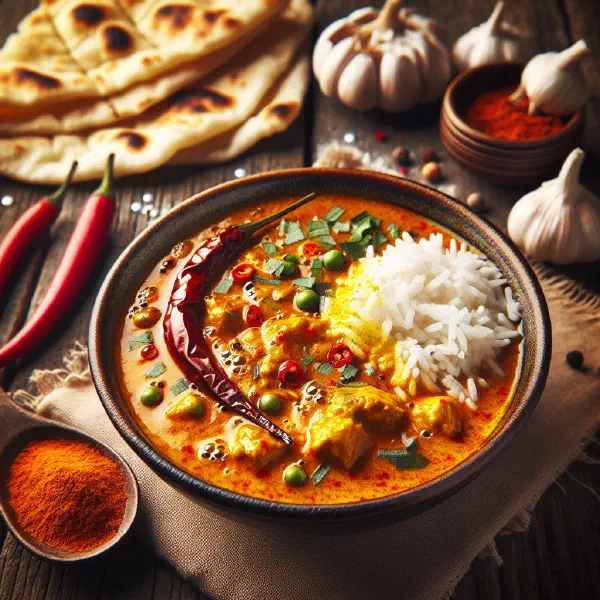
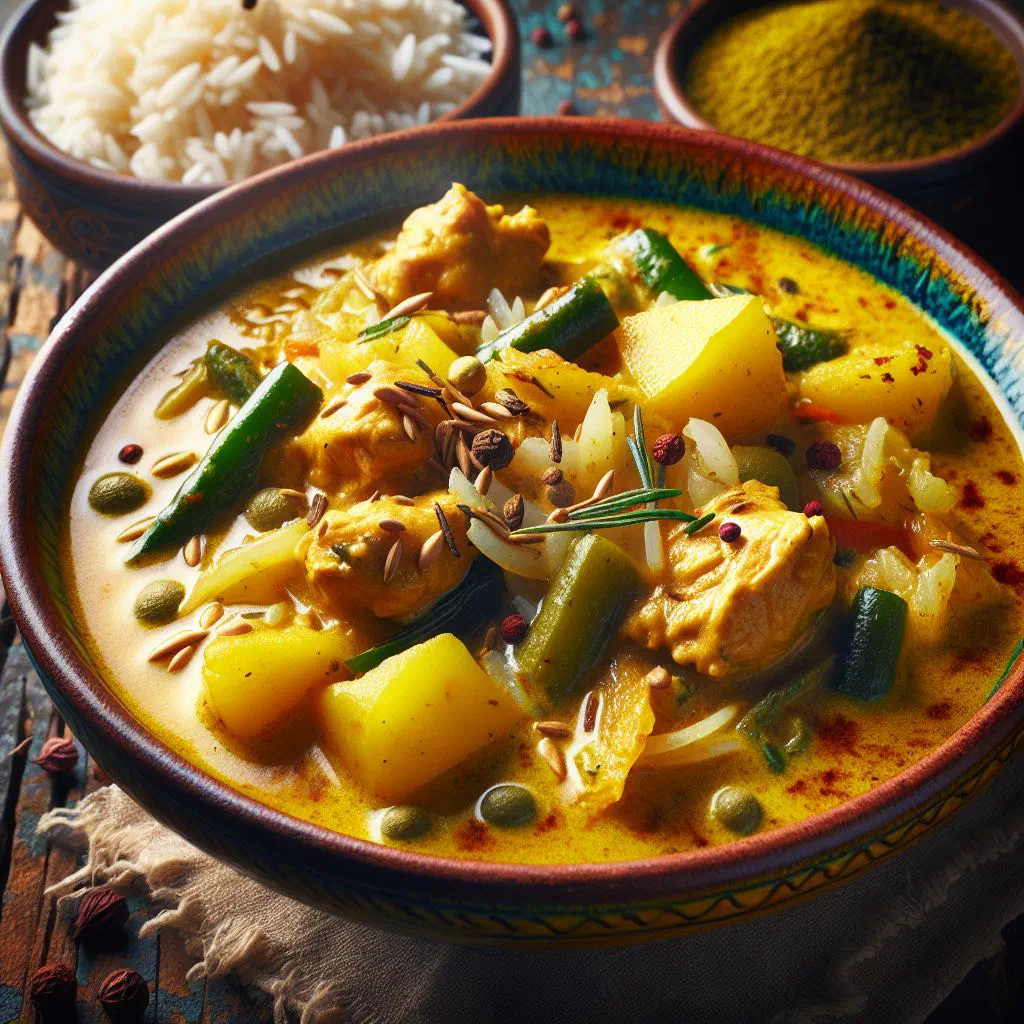
Discover Gai Pad Pongali, an aromatic Thai curry that brings tender chicken together with a velvety, spice-laced coconut milk sauce. This is everyday cooking at its most comforting, fragrant, gently warming and deeply satisfying. With a handful of fresh ingredients and a single pan, you can carry the bustle and warmth of a Thai kitchen straight into your own home and treat yourself to a real culinary adventure.
About Gai Pad Pongali
Gai Pad Pongali is a truly delicious Thai dish that is sure to win over your palate. At its heart is an aromatic curry that shines thanks to the perfect balance of spices and fresh ingredients. In Thailand it belongs firmly to the realm of everyday cooking and is enjoyed by people of all ages. Let the flavour and fragrance of this curry inspire you, and bring a little piece of Thailand to your own table.
Ingredients (serves 1–2)
- 200g chicken breast, cut into strips
- 1 tablespoon Pongali spice blend
- 2 tablespoons vegetable oil
- 1 onion, finely chopped
- 1 pepper, cut into strips
- 200ml coconut milk
- 1 tablespoon fish sauce
- 1 teaspoon sugar
- Fresh coriander, to garnish
- Jasmine rice, to serve
Shopping for the ingredients
When shopping for the ingredients, it is worth paying attention to freshness and quality, as these have a real impact on the flavour of the finished dish. You will find the Pongali spice blend in well-stocked supermarkets or Asian grocery shops. Choose good-quality coconut milk and fish sauce as well, so you can achieve that authentic, rounded aroma. Many of these store-cupboard staples can also be ordered online if your local shops fall short.
Preparing the dish
Before you start cooking, make sure every ingredient is prepared and within reach. Cut the chicken into thin strips and chop the onion finely. Slice the pepper into strips, and wash and roughly chop the coriander ready for garnishing. Having everything laid out in advance makes the cooking process far smoother and lets you work at a relaxed, steady pace, much like you would for a Gaeng Massaman.
Step-by-step instructions
- Heat the vegetable oil in a pan over medium heat.
- Add the chopped onion and fry until translucent.
- Add the chicken strips to the pan and fry until golden brown.
- Sprinkle the Pongali spice blend over the chicken and stir well.
- Add the pepper strips and fry for a further 2–3 minutes.
- Pour the coconut milk into the pan and let everything come to a gentle simmer.
- Season the curry to taste with fish sauce and sugar.
- Garnish the finished curry with fresh coriander and serve alongside jasmine rice.
Gluten-free / lactose-free version
The dish Gai Pad Pongali is naturally gluten-free, since no wheat products are used. Do take care, however, that your fish sauce and spice blend do not contain hidden sources of gluten. As for lactose, simply make sure the coconut milk you use contains no dairy, and the recipe stays comfortably lactose-free, so everyone at the table can enjoy it.
Tips for vegans and vegetarians
For a vegan or vegetarian version, you can replace the chicken with tofu or seitan. The fish sauce can be swapped for soy sauce or a dedicated vegan fish sauce to keep that savoury depth of flavour. Just be sure that all the other ingredients are plant-based too, paying particular attention to the spice blend, which can sometimes hide animal-derived additions.
More tips and tricks
To give the dish an extra layer of character, add a little fresh ginger or garlic as it cooks. Play with the heat by tossing in fresh chillies or a pinch of chilli powder to suit your taste. If you prefer your curry a touch thicker, simply let it simmer for longer until it reaches the consistency you are after, the flavours only deepen with a little patience.
Adapting the recipe to your taste
This recipe is easy to tailor to different preferences. If you like things a little sweeter, add a touch more sugar; for a brighter, tangier note, finish with a squeeze of lime juice. Vary the vegetables too, broccoli or carrots, for example, to put your own personal stamp on the dish, in the same spirit as a colourful Kaeng Ped.
Ingredient substitutions
If you cannot find a ready-made Pongali spice blend, you can create your own mix from turmeric, cumin, coriander and other warming spices. In place of coconut milk, you might use cream or a plant-based alternative such as almond milk. The fish sauce can be replaced with soy sauce or tamari to achieve a similar savoury result.
Drink pairing ideas
A spiced curry like Gai Pad Pongali is best matched with light, refreshing drinks. A cold beer or a dry white wine such as Riesling both work especially well. For an alcohol-free option, reach for a chilled iced tea or a lemon-and-mint soda. A traditional Thai iced coffee also makes a wonderful accompaniment to round off the meal.
Serving and presentation ideas
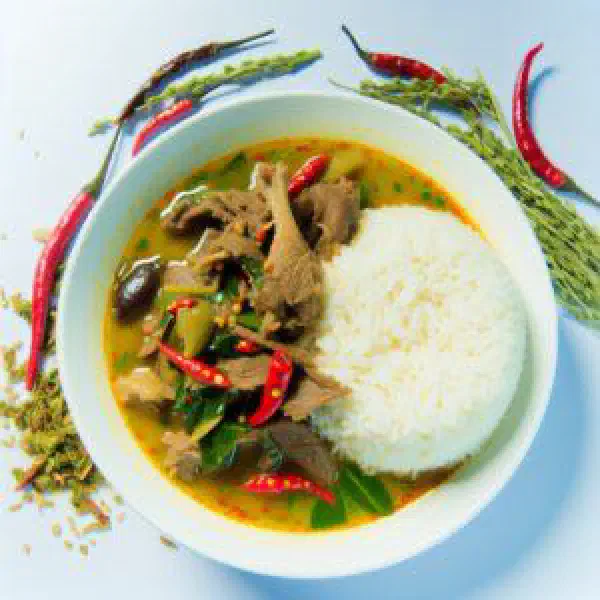
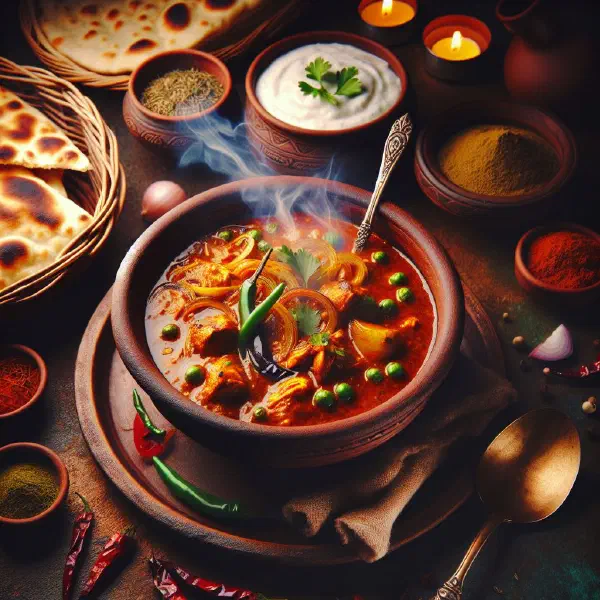
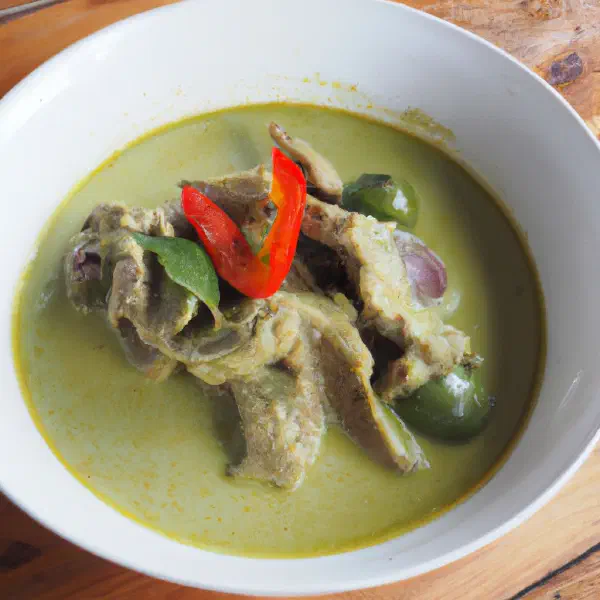
Presentation plays an important part in that all-important first impression. Serve the curry in a stylish bowl and garnish it with fresh coriander leaves. The jasmine rice can be arranged in a separate bowl or alongside on the plate. A few slices of lime or some fresh chillies as a garnish add a welcome splash of colour to the dish.
A bit of history
Gai Pad Pongali has a long tradition within Thai cooking. It is a fine example of the far-reaching influence of Indian cuisine on Thailand, particularly through the use of curry spices. It was originally served as a quick bite at busy markets, but has since earned a firm place in homes and restaurants alike. Its popularity owes much to its versatility and its harmonious, well-rounded flavour, qualities that run throughout Thai cuisine.
More recipe ideas
Summary: Gai Pad Pongali
Gai Pad Pongali is a delicious Thai curry distinguished by its aromatic depth and variety of flavour. With fresh ingredients and a well-balanced spice blend, it brings the very essence of Thai cooking to the plate. The dish is flexible and easily adapted to suit different diets and preferences. It is sure to become a highlight of your recipe collection.