National Dish Thailand: Ginger Chicken Stir-Fry (Recipe)
In this article
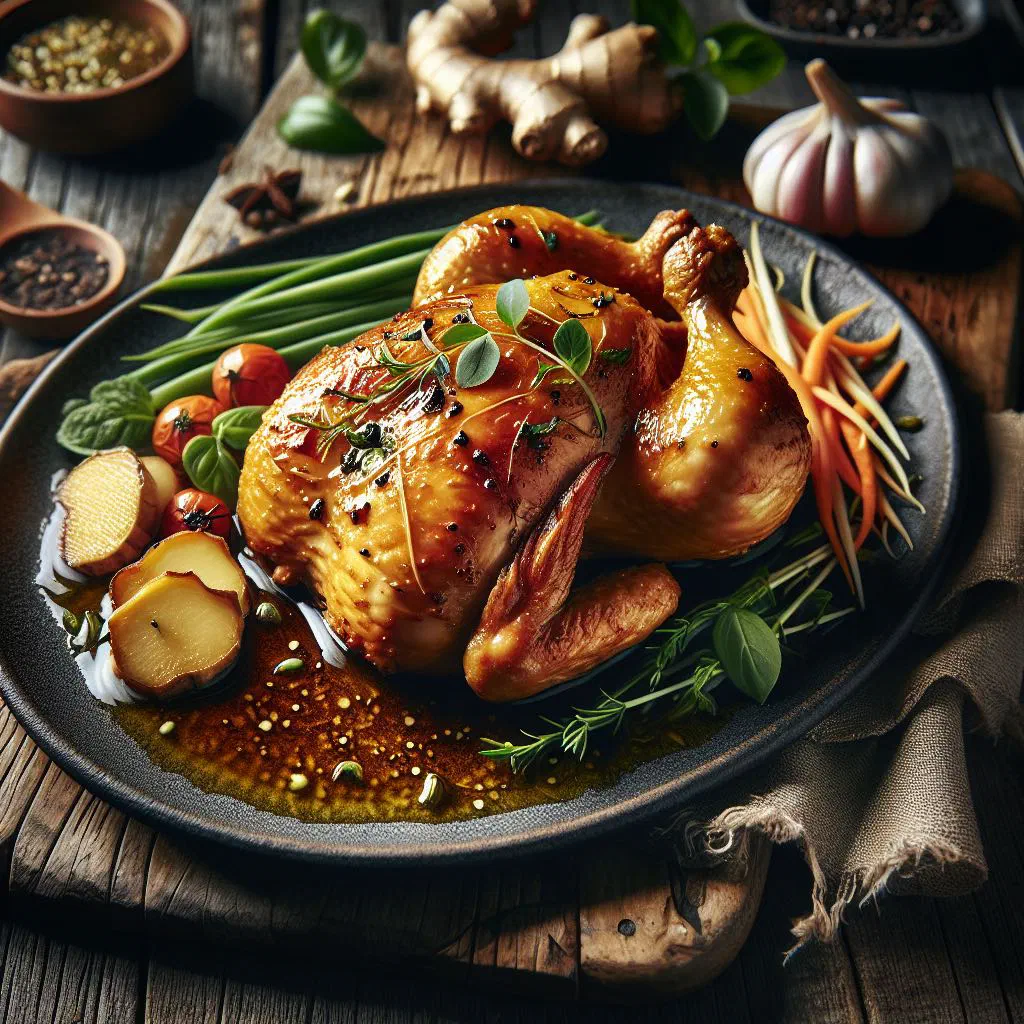
Discover Kai Phat Khing, Thailand’s beloved ginger chicken stir-fry. Tender strips of chicken meet aromatic fresh ginger, crisp vegetables and a savoury splash of soy and oyster sauce in a dish that comes together in minutes. Bright, warming and wonderfully fragrant, it captures the heart of everyday Thai cooking. Proof that a few honest ingredients and a hot pan are all you need for something truly special.
About Kai Phat Khing
Kai Phat Khing, which translates as ginger chicken, is a much-loved Thai dish that wins people over with its pairing of tender chicken and plenty of fresh ginger. It is delicious and genuinely good for you, thanks to the well-known benefits of ginger. The clean, peppery warmth of the root gives the dish a distinctive character all its own. Best of all, it is a quick stir-fry that suits beginners and seasoned cooks alike.
Ingredients (serves 1–2)
- 200 g chicken breast
- 50 g fresh ginger
- 1 onion
- 2 cloves of garlic
- 1 red pepper
- 2 tablespoons soy sauce
- 1 tablespoon oyster sauce
- 1 teaspoon sugar
- 2 tablespoons vegetable oil
- A pinch of black pepper
- Fresh coriander, to garnish
Shopping for the ingredients
When shopping for the ingredients, pay particular attention to the freshness of the ginger. Fresh ginger has smooth, firm skin and a lively, intense fragrance. Skinless chicken breast fillets are the best choice for this dish, as they stay tender and cook through quickly. The soy sauce and oyster sauce are usually easy to find in Asian grocery shops or a well-stocked supermarket.
Preparing the dish
Begin by preparing all the ingredients before you start cooking. Slice the chicken breast into thin strips and set it aside. Peel the ginger and cut it into fine matchsticks. Peel and finely chop the onion and garlic, then cut the pepper into bite-sized pieces. Getting this groundwork done means the cooking itself goes smoothly and quickly, just as it does for a brisk Khao Pad Moo Sap.
Step-by-step instructions
- Heat the oil in a pan and sauté the garlic until golden.
- Add the chicken strips and stir-fry constantly until the meat is cooked through.
- Add the sliced ginger, onion and pepper, and mix everything together well.
- Season with soy sauce, oyster sauce and sugar, then stir thoroughly to combine.
- Continue to fry until the vegetables are cooked but still have some bite, and season to taste with black pepper.
- Arrange the dish on a plate and garnish with fresh coriander.
Gluten-free / lactose-free version
For a gluten-free version of this dish, use gluten-free soy sauce. Oyster sauce can also contain gluten, so it is best to choose a gluten-free product or simply add a little more soy sauce instead. The dish is naturally lactose-free, so no special adjustments are needed for anyone who is lactose intolerant.
Tips for vegans and vegetarians
For a vegan version of the dish, the chicken can be replaced with tofu or tempeh. Instead of oyster sauce, use a mixture of soy sauce and a little vegan hoisin sauce. Just make sure that all the sauces you use are vegan. The remaining ingredients stay the same, and the dish keeps its characteristic flavour, much like a meat-free Pad Pak Bung.
More tips and tricks
For an even more intense flavour, the ginger can be lightly crushed as well as cut into matchsticks, which helps release its aromatic oils. If you like a little heat, add fresh or dried chillies. You can also experiment with different vegetables such as carrots or courgettes to give the dish your own personal twist.
Adapting the recipe to your taste
Flexibility is everything with this recipe. If you love vegetables, simply add a few extra kinds. You can play with the seasoning too: a squeeze of lemon juice brings out the freshness, while a little more sugar lends a sweeter note. Experiment with the ingredients and find your own favourite version of Kai Phat Khing.
Ingredient substitutions
If you do not care for oyster sauce, or simply do not have any to hand, you can replace it with soy sauce. Different meats such as pork or beef also work well in place of chicken. The pepper can be swapped for other familiar vegetables such as mangetout or broccoli, the kind of swaps that suit a stir-fry just as they would a Pad Cha. The main thing is to adapt the dish to your own taste.
Drink pairing ideas
Kai Phat Khing pairs beautifully with refreshing drinks such as lemonade or a chilled white wine. Green tea also harmonises wonderfully with the flavours of the dish. For a special occasion, you could serve a spicy ginger drink that echoes and amplifies the ginger notes of the meal itself.
Serving and presentation ideas
To serve the dish in an appealing way, large, flat plates work best. The fresh coriander can be scattered elegantly over the main dish. A small drizzle of soy sauce around the edge of the plate adds a professional touch. You might also arrange a few thinly sliced rounds of ginger as decoration along the rim of the plate.
A bit of history
Kai Phat Khing has its origins in traditional Thai cooking and is a much-loved family dish in Thailand. Ginger plays a central role in many Asian kitchens and is prized for its healing properties. Kai Phat Khing is a prime example of how good health and culinary pleasure go hand in hand in Thai cuisine, a quality it shares with the comforting Khao Mun Moo Dang found across the country’s Thai cuisine.
More recipe ideas
Summary: Kai Phat Khing
Kai Phat Khing is a versatile and delicious dish that shines thanks to its pairing of fresh ginger and tender chicken. The preparation is simple and quick, making it perfect for everyday cooking. With a few adjustments it can be made gluten-free, lactose-free, vegan or tailored to your personal preferences. This dish is a must for anyone who loves Thai cuisine and wants to eat healthily and well.