National Dish Thailand: Kaeng Par (Recipe)
In this article
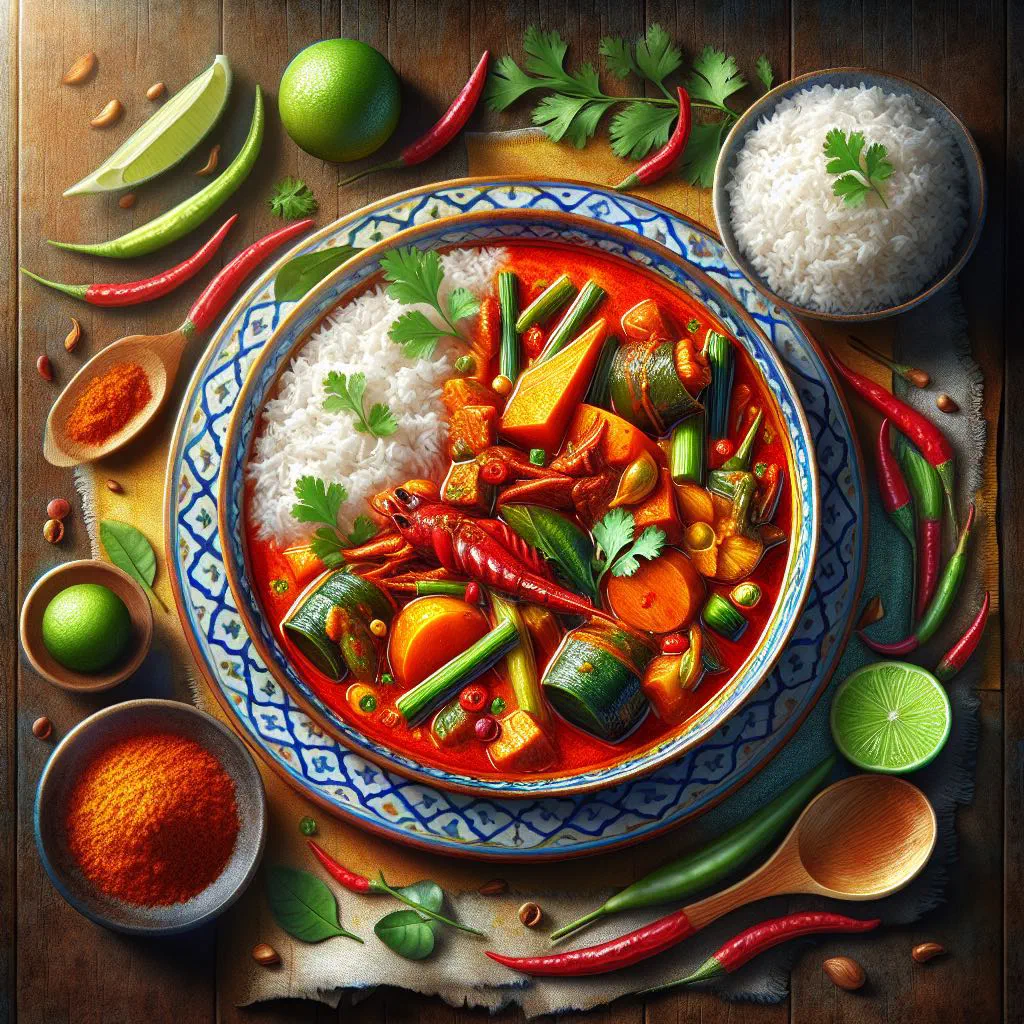
Discover Kaeng Par, a fiery Thai curry that brings the bold, fragrant spirit of northern Thailand straight to your table. Built on a punchy homemade curry paste and finished with crisp vegetables and your choice of tender chicken or tofu, it delivers a wonderful balance of heat, freshness and aroma. With its lively mix of herbs and spices, this is the kind of dish that turns an ordinary supper into a small adventure for the senses.
About Kaeng Par
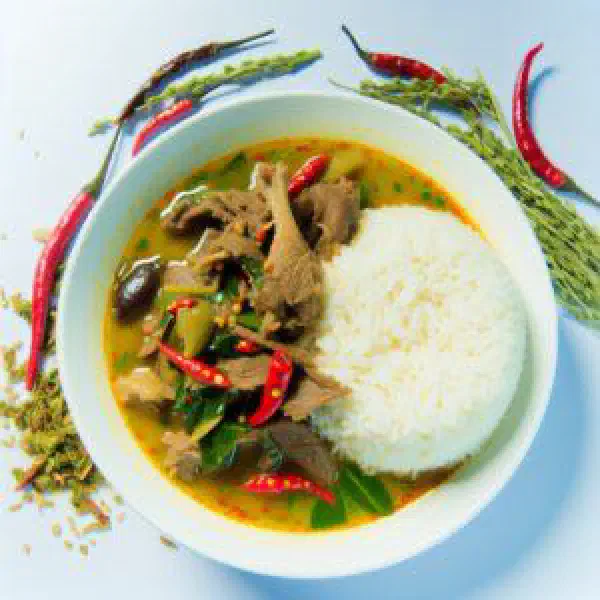
Kaeng Par is a much-loved Thai dish celebrated for its intense heat and its gloriously layered flavour. It is most often prepared with a combination of fresh vegetables, aromatic herbs and your choice of tender meat or tofu. The foundation is a special curry paste made from a range of fresh ingredients such as galangal, lemongrass and coriander. This paste gives the dish its characteristic colour and an unmistakable aroma that seduces the senses.
Ingredients (serves 1–2)
- 200 g chicken breast or tofu
- 200 g mixed vegetables (e.g. peppers, courgette, chard)
- 2–3 tablespoons Kaeng Par curry paste
- 400 ml coconut milk
- 1–2 teaspoons fish sauce or soy sauce
- 1 teaspoon sugar
- Fresh herbs to garnish (basil, coriander)
- Margarine or oil for frying
Shopping for the ingredients
To make an authentic Kaeng Par, fresh ingredients are everything. A trip to the market or a well-stocked Asian grocery is the best way to track down the fresh herbs and vegetables you need. When choosing the curry paste, check the ingredient list to make sure there are no unnecessary additives. Particularly fragrant coconut milk can lift the flavour of the dish considerably, so look for good-quality products wherever you can.
Preparing the dish
Before you start cooking, all the ingredients should be carefully prepared. Cut the meat or tofu into even cubes so they cook through uniformly. The vegetables should likewise be cut into bite-sized pieces, which improves the look of the finished dish and ensures an even cooking time. Fresh herbs such as basil and coriander can be added just before serving to intensify their flavour and aroma.
Step-by-step instructions
- Heat a little oil or margarine in a wok or large pan.
- Add the curry paste and fry it briefly until it smells aromatic.
- Add the prepared meat or tofu and fry until it takes on a little colour.
- Pour in the coconut milk and bring everything to the boil.
- Add the vegetables and let them cook over medium heat until tender but still with a little bite.
- Season the curry with fish sauce or soy sauce and sugar to taste.
- Garnish with fresh herbs and serve hot.
Gluten-free / lactose-free version
For a gluten-free and lactose-free Kaeng Par, simply replace the fish sauce with a gluten-free soy sauce. Make sure that all the ingredients you use are naturally free from gluten. Coconut milk is naturally lactose-free and is a brilliant way to make the dish creamy without using any dairy. With these small adjustments the dish stays just as delicious and suitable for every kind of eater.
Tips for vegans and vegetarians
Vegans and vegetarians can enjoy Kaeng Par with ease by swapping the animal products for plant-based alternatives. Instead of chicken, reach for tofu or tempeh, while vegetables such as aubergine and pumpkin add wonderful texture and flavour. Take care that the curry paste contains no fish sauce, or make your own paste from vegan ingredients. This way the authentic taste is preserved and there is no compromise on the quality of the ingredients.
More tips and tricks
To get the most out of Kaeng Par, finish the dish with a little lime juice or fresh chilli to bring out the heat and freshness. Experiment with different vegetables to tailor the curry to your own taste. Cooking the curry gently over low heat also helps the flavours develop more fully. Ideally, serve it with fragrant jasmine rice to temper the chilli kick, much as you would alongside a comforting Gaeng Massaman.
Adapting the recipe to your taste
The fantastic thing about Kaeng Par is that it leaves plenty of room for personalisation. Feel free to play with the heat by using more or less of the curry paste, or by adding extra fresh chillies. Just make sure the combination of ingredients stays harmonious to guarantee the very best flavour. If you enjoy this kind of paste-based dish, you might also like Kaeng Ped.
Ingredient substitutions
If for any reason you do not have every ingredient to hand, there are plenty of alternatives for Kaeng Par. In place of coconut milk you could use almond milk or unsweetened oat milk for a lighter version. The enjoyment remains while you adapt the flavour to suit your particular diet. The choice of protein can be just as flexible, giving you another way to keep the dish varied and interesting.
Drink pairing ideas
To round off the Kaeng Par experience, lean towards Thai classics when choosing your drinks. A cold Singha beer complements the heat of the curry beautifully and offers a refreshing contrast. Alternatively, a fruity mango lassi balances the intense aromas nicely. For an alcohol-free option, try a fresh Thai iced tea, prized for its sweet and creamy character.
Serving and presentation ideas
Presentation plays a key role in serving Kaeng Par attractively. Use deeper bowls to show off the colours of the curry and the vegetables. Garnish the dish with fresh coriander and lime wedges to lift it both in taste and in appearance. A little extra rice on the side makes for an appealing accompaniment that completes the dish perfectly.
A bit of history
Kaeng Par has its origins in Thai cuisine and is especially popular in the northern regions of the country. Traditionally it was prepared by farmers and rice growers, since the available ingredients often came down to vegetables and herbs grown at home. The heat of the dish reflects the climate of the region, as spicy food is often felt to be cooling. Today the dish has earned international recognition and appeals to people all over the world with its balanced flavour profile, a fine ambassador for Thai cuisine alongside dishes such as Kaeng Hoh.
More recipe ideas
Summary: Kaeng Par
In short, Kaeng Par is a delicious and versatile dish of Thai cuisine that adapts easily to different tastes and dietary needs. It charms with its aromatic blend of fresh herbs and spices and offers a perfect balance of heat and flavour. With the right ingredients and a little creativity, you can prepare an authentic taste of Thailand in your own kitchen. Let the aromas tempt you and enjoy this fiery curry as part of your next meal.