National Dish Thailand: Kai Pad Khing (Recipe)
In this article
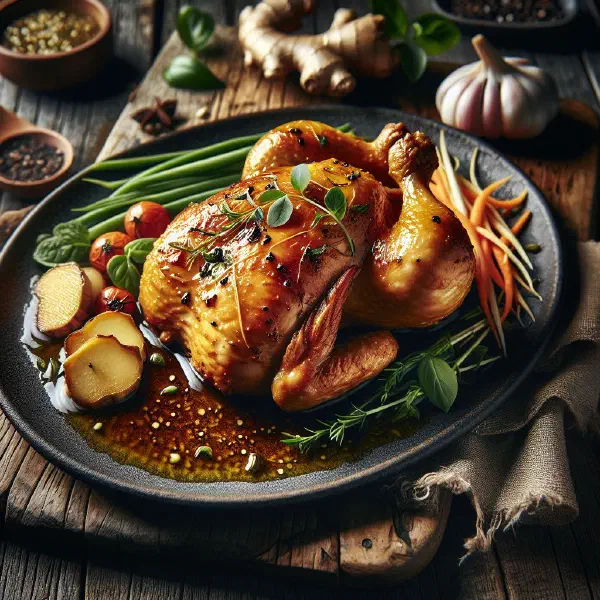
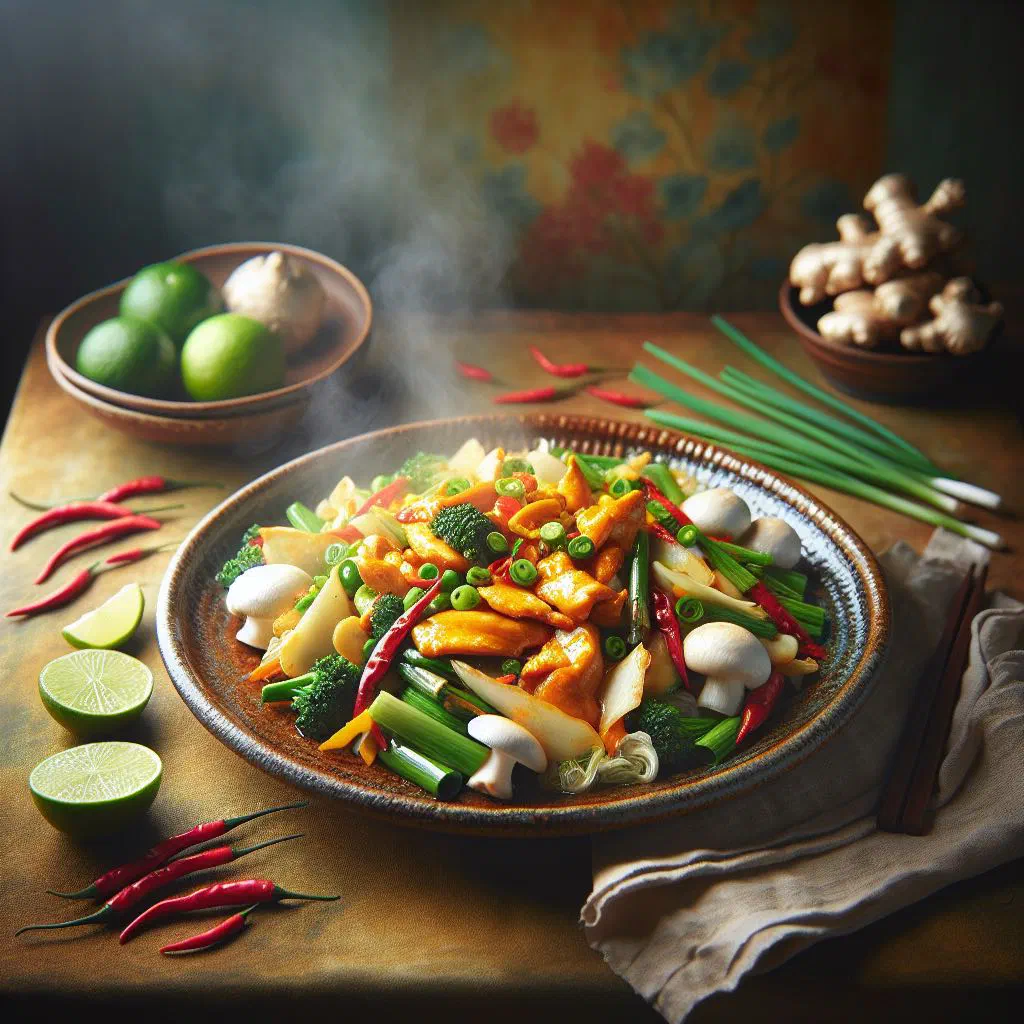
Discover Kai Pad Khing, a fragrant chicken and ginger stir-fry from the heart of Thai cooking. This quick dish brings together tender chicken and the warm, peppery bite of fresh ginger with crisp, colourful vegetables. The result is a meal that is as wholesome as it is delicious. Perfect for a speedy weeknight dinner or a relaxed evening shared with friends. Ready in minutes, it lets you bring the bright flavours of Thailand straight to your own table.
About Kai Pad Khing
Kai Pad Khing is very good from the Thai kitchen, prized for the way it balances tender pieces of chicken with the spicy warmth of fresh ginger and crunchy vegetables. This harmonious meeting of ingredients creates a flavour experience that is both wholesome and deeply satisfying. Thanks to its speedy preparation, it is an ideal choice for anyone who wants to put a tasty dinner on the table in next to no time, without sacrificing freshness or flavour.
Ingredients (serves 1–2)
- 200 g chicken breast fillet
- 2–3 cm fresh ginger
- 1 pepper
- 1 carrot
- 2 tablespoons soy sauce
- 2 tablespoons vegetable oil
- 1 teaspoon sugar
- Fresh coriander, to garnish
Shopping for the ingredients
To make an authentic Kai Pad Khing, it is worth choosing fresh, good-quality ingredients. Chicken breast fillet is best bought from a butcher or a well-stocked supermarket. Take care that the ginger is firm and fresh, as it has a real influence on the flavour of the finished dish. The vegetables, too, should be fresh and crisp to guarantee the best possible cooking experience and the brightest taste. Much like a good Khao Pad Moo Sap, the dish lives or dies by the freshness of what goes into it.
Preparing the dish
Before you start cooking, it is important to prepare all the ingredients well. Cut the chicken into small pieces and slice the vegetables into even strips. The ginger can be finely chopped or cut into thin slices, depending on the texture you prefer. Good preparation keeps the cooking process running smoothly and lets you coax out the full aroma, essential for a fast stir-fry where there is no time to pause once the wok is hot.
Step-by-step instructions
- Heat the oil in a wok or large frying pan.
- Add the chicken pieces and fry until lightly golden brown.
- Stir in the ginger and toss briefly.
- Add the vegetables and continue to fry for a few minutes.
- Season with soy sauce and sugar and mix well to combine.
- Arrange on plates and garnish with fresh coriander.
Gluten-free / lactose-free version
Making Kai Pad Khing gluten-free is easy: simply use a gluten-free soy sauce. This version tastes every bit as good and suits anyone with a gluten intolerance. As the other ingredients are naturally lactose-free, you can prepare the dish without any trouble for guests who are lactose intolerant too. That way everyone at the table can enjoy this delicious stir-fry.
Tips for vegans and vegetarians
For a vegan or vegetarian version of Kai Pad Khing, you can swap the chicken for tofu or seitan, both of which offer excellent texture and flavour. Take care to press the tofu well so it soaks up the aromas as fully as possible. Feel free to vary the vegetables to taste and add extra sources of protein such as chickpeas. The result is a wholesome, tasty dish that works for everyone.
More tips and tricks
One key tip for Kai Pad Khing is to have every ingredient ready before you start, as the dish comes together very quickly. Use a varied selection of vegetables to maximise the flavour and the colour and the nutrients of the dish. Arranging it on a large plate with fresh herbs creates an appetising overall picture. Experiment with different seasonings to give the dish your own personal touch.
Adapting the recipe to your taste
The recipe for Kai Pad Khing adapts wonderfully to personal preference. You might turn up the heat, for instance, by adding fresh chillies or chilli paste. You can also change the choice of vegetables and use whatever seasonal produce you happen to have to hand. By experimenting with different ingredients you can reinvent the dish again and again and cater to all kinds of tastes.
Ingredient substitutions
If you do not have every ingredient for Kai Pad Khing, there are several alternatives you can turn to. Instead of chicken, turkey or a plant-based protein such as tempeh works well. For the sauce, coconut aminos make a great gluten-free, low-sodium alternative to soy sauce. When it comes to the vegetables you can be creative and add broccoli or courgette, the same flexible spirit that makes a stir-fry like Pad Pak Bung so easy to vary.
Drink pairing ideas
A range of drinks goes beautifully with Kai Pad Khing. A chilled Thai beer is a popular choice that complements the flavour of the dish perfectly. Alternatively, you might serve a refreshing herbal tea or a light white wine to underline the flavours of the food. Homemade lemonade with fresh herbs is another lovely addition to this dish.
Serving and presentation ideas
The presentation of Kai Pad Khing can be lifted with colourful plates and fresh herbs. Serve the dish in a deep bowl and garnish generously with fresh coriander. A squeeze of lime juice just before serving gives the dish a refreshing note. You can also emphasise the colours of the vegetables by arranging the different ingredients with a little care.
A bit of history
Kai Pad Khing is a traditional dish of the Thai kitchen with its roots in the South-East Asian region. Ginger, the star ingredient here, plays a central role in Thai cookery and is greatly valued for its health benefits. The combination of fresh, local ingredients makes this dish delicious and rich in nutrients. It also reflects the guiding principle of Thai cuisine: bringing together influences from different cultures in perfect harmony.
More recipe ideas
Summary: Kai Pad Khing
To sum up, Kai Pad Khing is a delicious and versatile dish that you can prepare quickly and easily. With its combination of fresh chicken, spicy ginger and crisp vegetables, it offers a truly authentic Thai flavour experience. Whether for a fast dinner or as part of a festive buffet, this dish is sure to please your guests and bring them a little closer to the aromas of Thailand. Give it a try and let the Thai kitchen work its magic.